
























 Dar certo

 Meditação






Os fatos rápidos
- Captura de tela do estudo realizado pelo American Journal of Clinical Nutrition sobre o papel da proteína na perda de peso e manutenção
- A perda de músculo não é apenas um problema cosmético, mas também afeta o metabolismo, a força, a sensibilidade à insulina, a manutenção do osso e do peso a longo prazo.
- Captura de tela do estudo realizado por Clin Nutr Espen na ingestão de proteínas aumentada na manutenção da massa muscular, força e função física em adultos com sobrepeso/obesidade.

Os medicamentos usados para diminuir a quantidade de alimentos que as pessoas comem e diminuir a velocidade do esvaziamento gástrico transformaram a perda de gordura nos indivíduos. Esses medicamentos permitem que muitos usuários comam menos - até mesmo muito menos. Embora isso seja muito eficaz na queima de gordura, há um perigo secreto por trás disso; consumo de proteínas pobres.
Quando as calorias são reduzidas drasticamente, o corpo não queima simplesmente gordura. Também degradará o tecido magro na ausência de proteína suficiente e atividade estimulante do músculo. A perda de músculo não é apenas um problema cosmético, mas também afeta o metabolismo, a força, a sensibilidade à insulina, os ossos e Manutenção do peso a longo prazo.(1)
É por isso que planejar refeições ricas em proteínas não é uma tendência de condicionamento físico entre os usuários de drogas para perda de peso, mas sim um dos requisitos.
Histórias relacionadas
 O suplemento Chanca Piedra realmente previne as pedras nos rins?
 As 10 principais alternativas saudáveis para Doritos que você deve experimentar

Conhecimento da necessidade de proteínas em medicamentos para perda de peso.
Por que a inibição do apetite varia a estratégia de proteínas.
Muitos usuários notam:
- Plenitude inicial.
- Diminuição da fome.
- Problemas com a conclusão de refeições regulares.
- favor de alimentos macios ou líquidos.
Esses impactos geralmente resultam em déficit proteico inadvertido, especialmente no café da manhã e no almoço.
A priorização de proteínas, não impor às pessoas que comam grandes refeições é a solução.
Quanta proteína você realmente precisa?
Recomendações gerais para pessoas com medicamentos para perda de peso:(2)
- Mínimo: 1,2 g de proteína por kg de peso corporal por dia.
- Ideal (a maioria dos usuários): 1,4–1,8 g/kg/dia.
- High-end (adultos mais velhos, indivíduos ativos): Até 2,0 g/kg/dia.
Exemplo:
- 75 kg Pessoa → 105–135 g de proteína/dia.
- 90 kg Pessoa → 125–160 g de proteína/dia.
A chave é a distribuição, não apenas os totais.

Regra de distribuição de proteínas (extremamente significativas)
Em vez de uma grande refeição de proteína:
- Vá para 25-40g de proteína em cada sessão de alimentação.(3)
- Dividido entre 3-4 pequenas refeições ou mini-refeição.
- Os líquidos contam (e geralmente têm um bom desempenho no início do tratamento)
O método melhora Síntese proteica dos músculos e tolerância à digestão.

As melhores fontes de proteína para usuários de medicamentos.
1 Proteínas animais de alta qualidade.
- Ovos (inteiros + brancos)
- Iogurte grego (simples, proteína rica)
- requeijão
- Peito de frango ou coxa
- Peixe (salmão, atum, bacalhau)
- Carne vermelha magra (porções pequenas)
- Whey ou caseína em pó de proteína
Por que eles funcionam: Alto teor de leucina, menor volume para mais proteínas.
2 Opções de proteínas à base de plantas.
- tofu e tempeh
- Lentilhas (pequenas porções)
- grão de bico
- Leite de soja/proteína de ervilha
- edamame
Dica: Combine proteínas vegetais ou use pós de proteína fortificada para atingir os alvos.
3 Proteínas líquidas e suaves (no início).
- Shakes de proteínas (25-40 g)
- Tigelas de iogurte misturadas
- Smoothies com proteína adicionada
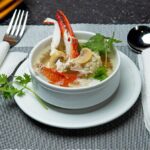
- Sopas de alta proteína
- Ovos mexidos macios
Estas são frequentemente a diferença entre atingir ou perder metas de proteína.
Alimentos Testemunhos de absorção e tolerância à proteína.
Por um lado, os medicamentos para perda de peso podem retardar a digestão. Essas estratégias ajudam:
- Coma proteínas primeiro nas refeições.
- Coma proteínas cozidas em oposição a carnes secas/excessos.
- Selecione alimentos úmidos (sopas, ensopados, iogurte).
- Proteína muito gordurosa deve ser evitado no início do dia, em caso de náusea.
- Tire um tempo, reserve um tempo antes de sentir dor.

O quadro de plano de refeições com alto teor de proteínas.
Em vez de dieta rígida, use esta estrutura simples:
estrutura diária.
- refeição 1: Café da manhã focado em proteínas (líquido ou macio).
- refeição 2: Proteína moderada + fibra.
- Refeição 3: Jantar dominante em proteínas.
- Opcional: Lanche de proteína, se necessário.
Regra da primeira proteína.
- Cada refeição começa com proteínas.
- Carboidratos e gorduras são adicionados após a proteína ser protegida.
7 -Day Planta de refeições ricas em proteínas (medicamento amigável).
Alvo de proteína: ~120–140 g/dia.
As porções são intencionalmente modestas.
Dia 1.
Café da manhã.
- Iogurte grego (200 g) + proteína de soro de leite (½ colher)
→ ~35 g de proteína
Almoço.
- Ovos mexidos (2 inteiros + 2 brancos)
- espinafres macios
→ ~28 g de proteína
Jantar.
- Frango grelhado (100g)
- legumes cozidos no vapor
→ ~30 g de proteína
Lanche.
- Shake de proteína
→ ~25 g de proteína
Total: ~118 g
Dia 2.
Café da manhã.
- Smoothie de proteína (soro de leite, leite com amêndoa, banana)
→ ~30 g
Almoço.
- Requeijão (200g)
- fruta macia
→ ~26 g
Jantar.
- Salmão assado (100g)
- purê de batata doce
→ ~30 g
Lanche.
- Ovos cozidos (2)
→ ~12 g
Total: ~98–110 g (adicione meia agitação, se necessário)
Dia 3.
Café da manhã.
- Omelete de ovo (3 ovos)
- Cogumelos
→ ~27 g
Almoço.
- Sopa de lentilha (tigeta pequena)
- Lado grego do iogurte
→ ~25 g
Jantar.
- Tofu Stir-Fry (150 g de tofu)
→ ~25 g
Lanche.
- Shake de proteína
→ ~25 g
Total: ~102 g
Dia 4.
Café da manhã.
- Tigela de iogurte com alta proteína
→ ~30 g
Almoço.
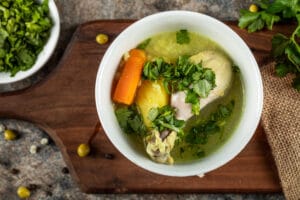
- Sopa de frango (frango ralado extra)
→ ~30 g
Jantar.
- Carne moída magra (100g)
- legumes macios
→ ~26 g
Lanche.
- requeijão
→ ~20 g
Total: ~106 g
Dia 5.
Café da manhã.
- batido de proteína
→ ~30 g
Almoço.
- Salada de atum (100g de atum)
- verdes suaves
→ ~28 g
Jantar.
- Curry Paneer ou Tofu (porção pequena)
→ ~25 g
Lanche.
- iogurte grego
→ ~15 g
Total: ~98 g (adicione shake se o treinamento)
Dia 6.
Café da manhã.
- Ovos mexidos + brancos
→ ~30 g
Almoço.
- grão de bico + tigela de iogurte
→ ~22 g
Jantar.
- peixe grelhado
→ ~30 g
Lanche.
- Barra de proteína ou agitação
→ ~20 g
Total: ~102 g
Dia 7.
Café da manhã.
- iogurte + soro de leite
→ ~35 g
Almoço.
- Frango (pequeno)
→ ~25 g
Jantar.
- Tofu ou tigela de paneer
→ ~25 g
Lanche.
- Ovos ou Agite
→ ~15–25 g
Total: ~105–120g
Ajustando a ingestão de proteínas ao longo do tempo.
Fase inicial (semanas 1–4).
- Líquidos e alimentos macios dominam.
- Os batidos de proteína são essenciais.
- Concentre-se na tolerância, não na perfeição.
Fase média (semanas 5–12).
- Aumente as proteínas sólidas.
- Reduza a dependência de shakes.
- Comece mais o horário de refeição estruturada.
fase de longo prazo.
- A proteína se torna habitual.
- As refeições normalizam na textura.
- Foco na sustentabilidade e no prazer.
Tempo de proteína e exercícios (se você treinar).
Se você fizer um treinamento de resistência:
- Consuma 25–40 g de proteína dentro de 2 horas após o treinamento.
- Total diário importa mais do que o tempo exato.
- A creatina (opcional) pode ajudar a preservar a força.
mesmo força leve O treinamento aumenta a eficácia com que seu corpo Usa proteína.
Erros comuns de proteínas em medicamentos para perda de peso.
Erro 1: “Não estou com fome, então pulo proteína”.
Corrigir: Use proteína líquida ou iogurte.
Erro 2: confiar apenas em vegetais.
Corrigir: Os vegetais são saudáveis, mas a proteína deve vir primeiro.
Erro 3: uma refeição pesada com proteínas por dia.
Corrigir: Espalhe proteínas nas refeições.
Erro 4: Medo de calorias.
Corrigir: As calorias proteicas protegem o metabolismo e o metabolismo.
Dicas de proteínas e conforto digestivo.
- sip proteína treme lentamente
- Evite bebidas muito frias se estiver propensa a náuseas
- Use gengibre ou hortelã-pimenta, se necessário
- Evite deitar-se imediatamente após comer
- Mantenha as refeições simples
Adaptações de proteínas vegetarianas e indianas.
Opções vegetarianas com alta proteína:
- Paneeiro.
- Iogurte grego / coalhada pendurada.
- Pedaços de soja.
- tofu.
- Dal + combinação de iogurte.
- Rotis fortificados com proteínas (pequenas porções).
Exemplo de refeição indiana:
- Café da manhã: Paneer Bhurji (pequeno).
- Almoço: Dal + Coalhada.
- Jantar: Tofu Sabzi.
- Lanche: batido de proteína.
Como a alimentação rica em proteínas é compatível com a manutenção do peso a longo prazo?
Proteína:
- Conserva a massa magra.
- Melhora a saciedade.
- Reduz o risco de recuperação de peso.
- Suporta saúde metabólica.
- Melhora a recomposição do corpo.
Os usuários que mantêm a ingestão de proteínas são mais propensos a manter o peso após a redução da medicação.
Uma experiência pessoal do Dr. Aarav Sen Plano de refeições ricas em proteínas.
Quando comecei a prestar muita atenção aos indivíduos que tomavam medicamentos modernos para perda de peso, uma das tendências se tornou imediatamente aparente. A balança estava indo na direção certa, às vezes com uma velocidade grande, mas muitos deles também estavam reclamando de algo diferente, fadiga incomum, falta de força e que o corpo está encolhendo no sentido errado.
Food consumption in a number of instances had reduced to such an extent that protein had silently decreased to unsustainable levels. Breakfast was sometimes not taken at all. Lunch became a few bites. Dinner was sparse – and though perda de peso Estava parecendo bom no papel, não era a manutenção do corpo que estava sendo ativamente incentivada.
Lembro-me de uma pessoa especificamente que tinha Perdeu mais de 10% do peso corporal em alguns meses. Externamente, o avanço parecia bom. No entanto, quando medimos a força, a postura e os níveis de energia diários, era óbvio que o tecido magro também estava diminuído. O consumo de proteínas estava em média muito inferior a 60 gramas/dia, não devido a más decisões, mas simplesmente à falta de apetite.
A experiência me fez mudar minha atitude em relação à nutrição em medicamentos para perda de peso.
Em vez de dizer às pessoas para comerem mais, o que dificilmente funciona quando não estão sentindo fome, comecei a prestar atenção à eficiência proteica, pequenas, propositais e ricas em proteínas, que eu poderia Coma mesmo em dias de baixa fome. Ajustes mínimos, como adicionar um shake de proteína pela manhã, focar na proteína suave e distribuir a quantidade ao longo do dia foram tangíveis em algumas semanas.
A resistência estabilizada. Energia melhorada. perda de peso persisted – but with much improved body composition results.
Nessa época, sempre observei que aqueles que consomem proteínas ricas no início do medicamento perda de peso Processo retém o músculo, tornam-se mais fortes e progridem mais facilmente na manutenção a longo prazo. As proteínas ignoradas no presente também têm dificuldade em sustentar no futuro, apesar do dramático perda de peso no início.
Esta é a razão pela qual eu o enfatizo tanto:
medicamentos usados para perder peso Trazer mudanças, no entanto, a qualidade da mudança depende do consumo de proteínas.
isto guia não é apenas um reflexo da nutrição theory but actual tendencies I have been witnessing again and again – and what has been most effective in preserving muscle, all the same ensuring that fat loss can take place.
“Tenho visto consistentemente que os medicamentos para perda de peso impulsionam a mudança, mas a proteína adequada é o que determina se essa mudança preserva a força ou sacrifica a massa muscular.”

Perguntas frequentes.
1 Qual é a quantidade recomendada de proteína que eu preciso consumir ao usar medicamentos para perda de peso?
O consumo diário de proteínas deve ser de 1,21,8 gramas de peso corporal por quilograma, dependendo da idade, atividade e taxa de perda de peso, pois a maioria dos indivíduos que tomam medicamentos para perda de peso são aconselhados a consumir essa proteína. O aumento do consumo de proteínas permite reter músculos, permanecer forte e ajudar no metabolismo na dieta. A distribuição de proteínas durante as refeições pode ser uma solução melhor do que tê-la imediatamente.
2 É possível prevenir a perda muscular durante a perda de peso usando uma dieta rica em proteínas?
Sim. Estudos sempre indicaram que dietas ricas em proteínas reduzem bastante a perda de massa muscular no processo de perda de peso, especialmente quando as calorias são limitadas. A proteína fornece os aminoácidos necessários para sustentar o tecido magro e, em conjunto com o treinamento de resistência, é uma das abordagens mais favoráveis para perder gorduras e preservar os músculos.
3 Quais são os alimentos ricos em proteínas mais bem-sucedidos quando não estou com fome?
A proteína líquida e suave é a melhor quando o apetite está baixo. Os mais comuns são shakes de proteína, iogurte grego, queijo cottage, ovos mexidos macios, sopas misturadas e smoothies com a adição de proteína. São alimentos ricos em proteínas, que fornecem ao corpo alto teor de proteína em quantidades mínimas e que são mais confortáveis de digerir em comparação com grandes alimentos sólidos.
Final descolagem.
Os medicamentos para perda de peso são poderosos – mas a nutrição determina a qualidade do resultado.
uma proteína rica plano de refeições:
- Protege o músculo
- melhora Força e energia
- Suporta perda de gordura
- Reduz a recuperação a longo prazo
- faz perda de peso Mais saudável e sustentável
Você não precisa dietas extremas ou grandes refeições.
Você precisa de planejamento, porções inteligentes e consistência.
+3 de fontes
VerywelFit tem estrita de abastecimento de diretrizes e depende de estudos peer-reviewed, educacional, institutos de pesquisa e organizações médicas. Devemos evitar o uso terciário referências. Você pode aprender mais sobre como vamos garantir nosso conteúdo é preciso e atualizado através da leitura de nosso política editorial.
- Ingestão de proteínas aumentada na manutenção da massa muscular, força e função física em adultos com sobrepeso/obesidade: revisão sistemática e meta-análise; https://pubmed.ncbi.nlm.nih.gov/39002131/
- o papel da proteína na perda de peso e manutenção; https://www.sciencedirect.com/science/article/pii/S0002916523274274
- O aumento da ingestão de proteínas reduz a perda de massa corporal magra durante a perda de peso em atletas; https://pubmed.ncbi.nlm.nih.gov/19927027/