











 تدرب
تدرب

 تأمل
تأمل




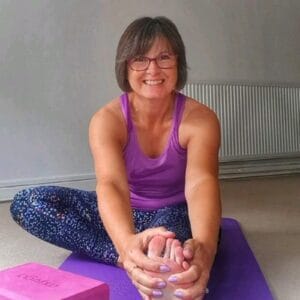

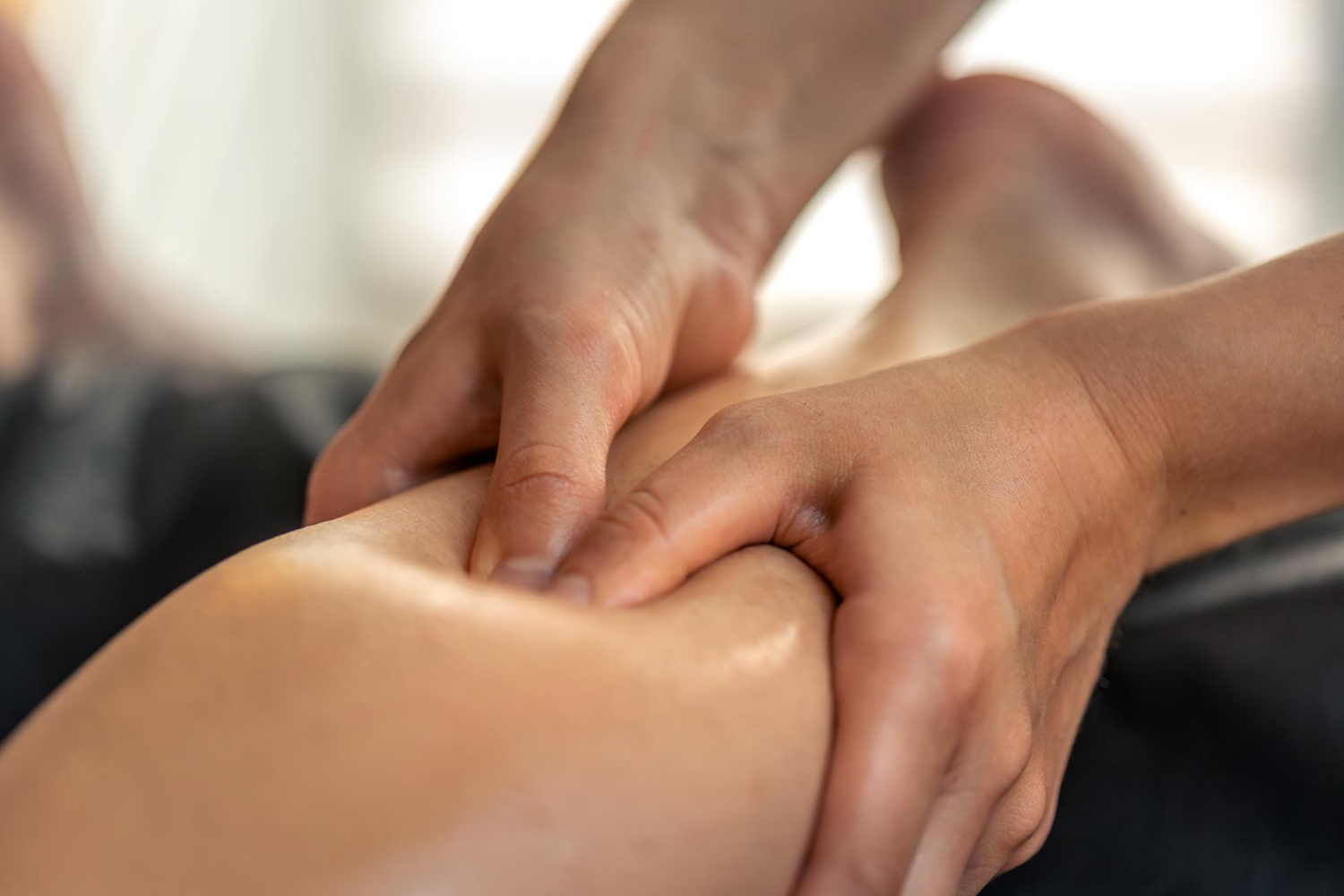
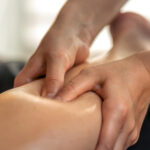
تدليك شياتسو هو شكل ياباني من هيكل العلاج الذي يستخدم الإصبع والإبهام والنخيل وأحيانًا ضغط الكوع على طول مناطق معينة من الجسم. كلمة شياتسو تترجم تقريبا إلى “ضغط الإصبع”.”
على عكس العديد من تقنيات التدليك الغربية التي تعتمد بشكل أساسي على العجن وفرك العضلات ، يستخدم شياتسو تقليديًا الضغط الإيقاعي والتمدد وحركة المفاصل والتلاعب اللطيف بالجسم. قد يمارس الممارسون الضغط على نقاط أو مسارات معينة بينما يظل المتلقي مغطى بالكامل.
غالبًا ما يوصف شياتسو بأنه علاج تكميلي يهدف إلى تعزيز الاسترخاء ودعم الرفاهية العامة. كما يستخدم في بعض الأحيان من قبل الأشخاص الذين يعانون من توتر عضلي أو إجهاد أو تعب أو أنواع معينة من الألم.
ومع ذلك ، من المهم التمييز بين التفسيرات التقليدية والأدلة العلمية الحديثة. تطورت شياتسو ضمن التقاليد العلاجية اليابانية ولها روابط مفاهيمية مع طب شرق آسيا ، بينما حققت الأبحاث المعاصرة فيما إذا كانت آثاره الفيزيائية تترجم إلى تحسينات قابلة للقياس في الأعراض.
قصص ذات صلة
 كيفية تحسين حركة الكتف: رحلتي الشخصية إلى حركة خالية من الألم وأكتاف أقوى
 ما هو فينيوجا: الفوائد وكيفية القيام به
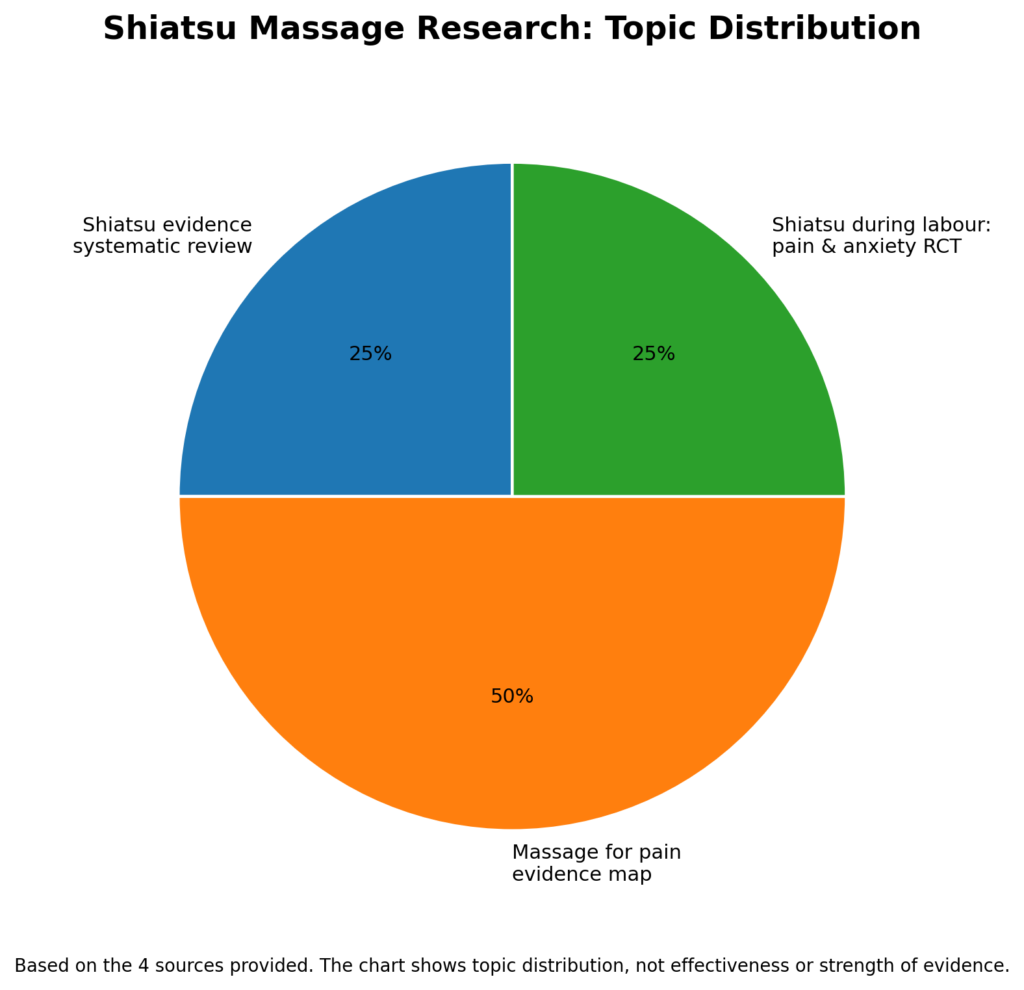
وجدت مراجعة منهجية تفحص شياتسو والعلاج بالضغط أن الأدلة التي تدعم شياتسو كانت محدودة ، مع توفر عدد قليل نسبيًا من التجارب السريرية عالية الجودة. وخلص الباحثون إلى أن هناك حاجة إلى مزيد من البحث الدقيق قبل التوصل إلى استنتاجات مؤكدة حول فعالية شياتسو.(1)
لذلك ، من الأفضل فهم شياتسو على أنه نهج تكميلي ، بدلاً من بديل للتشخيص الطبي أو العلاج القائم على الأدلة.
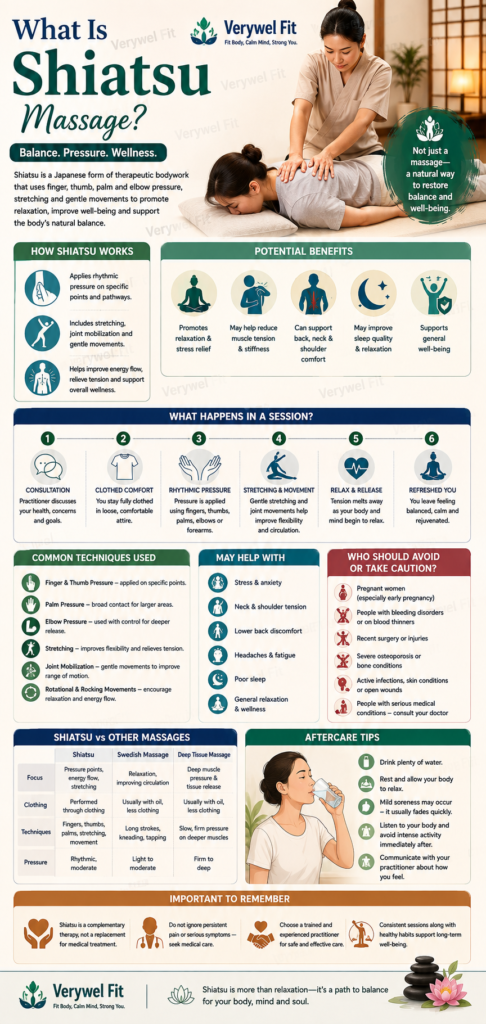
كيف يعمل تدليك شياتسو؟
خلال جلسة شياتسو النموذجية ، يستخدم الممارس ضغطًا متحكمًا في أجزاء مختلفة من الجسم. يمكن تطبيق الضغط مع:
- إبهام
- أصابع
- شجار
- ساعدين
- المرفقين حسب التقنية
- في بعض الأحيان الركبتين أو غيرها أجزاء الجسم في أساليب معينة
قد يدمج الممارس أيضًا:

- تمدد لطيف
- تعبئة مشتركة
- حركات الدوران
- تأرجح
- الضغط الإيقاعي
- حركات حركية متحركة
عادة ما تعقد الجلسة على سجادة مريحة أو طاولة تدليك. على عكس التدليك الزيتي ، يظل المتلقي بشكل عام يرتدي ملابس.
الضغط عادة ما يكون إيقاعيًا وليس مستمرًا. يضبط الممارس شدته وفقًا لراحة الشخص وحالته البدنية وعمره وأهدافه العلاجية.
من منظور فسيولوجي حديث ، يمكن للضغط والحركة تحفيز المستقبلات الحسية في الجلد والعضلات والأنسجة الضامة. قد يؤثر العلاج باللمس والعلاج اليدوي أيضًا على إدراك الألم ويساهم في الاسترخاء.
ومع ذلك ، فإن بعض تفسيرات شياتسو التقليدية تتضمن مفاهيم مثل كي ، أو الطاقة الحيوية ، والمسارات المعروفة باسم خطوط الطول. لا ينبغي تقديم هذه المفاهيم التقليدية على أنها هياكل فسيولوجية راسخة علميًا.
لا تزال الأدلة المحيطة بشياتسو نفسها محدودة نسبيًا. حددت مراجعة منهجية تسع دراسات شياتسو فقط من بين الأدبيات التي قامت بتقييمها وخلصت إلى أن كمية ونوعية الأدلة لم تكن كافية لاستنتاجات سريرية ثابتة.
ماذا يحدث خلال جلسة تدليك شياتسو؟
يبدأ موعد شياتسو عمومًا بمحادثة موجزة بين الممارس والعميل.
قد يسأل الممارس عن:
- الانزعاج الحالي
- إصابات سابقة
- الحالات الطبية
- أدوية
- مستوى النشاط
- إجهاد
- هجع
- مناطق التوتر
- توقعات العلاج
هذا التقييم الأولي مهم لأن التدليك غير مناسب لكل حالة.
يظل العميل عادة يرتدي ملابس مريحة. السراويل الفضفاضة أو القميص أو الملابس المماثلة تجعل الحركة أسهل بشكل عام.
ثم يضع الممارس العميل ويبدأ في ممارسة الضغط.
على عكس التدليك السويدي النموذجي ، لا يجب أن تتوقع بالضرورة ضربات طويلة متدفقة باستخدام زيت التدليك. يؤكد شياتسو بشكل عام على الضغط والتمدد والحركة والاتصال الإيقاعي.
قد تشمل الجلسة الممارس الذي يعمل على الظهر أو الكتفين أو الذراعين أو الساقين أو الوركين أو الرقبة أو اليدين أو القدمين.
يجب أن يكون الضغط بشكل عام هادفًا ولكن يمكن تحمله.
الألم ليس هو الهدف.
إذا أصبح الضغط حادًا ، أو مؤلمًا بشكل مفرط ، أو يسبب خدرًا ، أو يشعر بأنه غير مناسب ، تواصل على الفور مع الممارس.
ما هي الفوائد المحتملة لـ Shiatsu Massage؟
يبحث الناس عن شياتسو لأسباب عديدة مختلفة ، على الرغم من اختلاف كمية الأدلة العلمية التي تدعم كل استخدام.
1. الاسترخاء وإدارة الإجهاد.
أحد الأسباب الأكثر شيوعًا لتلقي الناس شياتسو هو الاسترخاء.
قد يؤدي الضغط البطيء والإيقاعي والاتصال الجسدي المركز إلى تجربة مهدئة. ارتبط التدليك بشكل عام بالاسترخاء والتحسينات في بعض الأعراض ، على الرغم من أن جودة البحث تختلف بين الحالات والتقنيات.(2)
لذلك قد يكون شياتسو مفيدًا كجزء من روتين استرخاء أوسع.
ومع ذلك ، لا ينبغي الترويج له كعلاج مثبت لاضطرابات القلق أو الاكتئاب أو أي شيء آخر الظروف الصحية.
إذا كان شخص ما يعاني من قلق مستمر أو اكتئاب أو نوبات ذعر أو ضائقة نفسية كبيرة ، فلا ينبغي استبدال رعاية الصحة العقلية المهنية بالتدليك.
2. توتر العضلات.
كثير من الناس يستخدمون شياتسو عندما تشعر عضلاتهم بالضيق بعد الجلوس لفترات طويلة أو النشاط المتكرر أو ممارسة الرياضة أو الإجهاد اليومي.
يمكن للضغط اليدوي أن يغير مؤقتًا كيف يدرك الشخص توتر العضلات وعدم الراحة.
قد تكون جلسة شياتسو جذابة بشكل خاص للأشخاص الذين يفضلون أسلوب التدليك الذي يجمع بين الضغط والتمدد والحركة.
ومع ذلك ، قد يكون لتوتر العضلات المتكرر سبب أساسي ، مثل ضعف بيئة العمل ، أو عدم كفاية التعافي ، أو الضعف ، أو عبء التدريب المفرط ، أو حالة العضلات الهيكلية الأساسية.
يمكن للتدليك أن يعالج الأعراض دون تصحيح السبب الأساسي بالضرورة.
3. إدارة الألم.
تمت دراسة العلاج بالتدليك للعديد من حالات الألم ، بما في ذلك الظهر والرقبة والكتف ومشاكل العضلات والعظام الأخرى.
تشير NCCIH إلى أن التدليك قد يساعد في بعض حالات الألم ، على الرغم من أن الأدلة غالبًا ما تكون محدودة وقد تكون الفوائد قصيرة المدى.
حددت خريطة دليل واسعة للتدليك للألم 31 مراجعة منهجية. على الرغم من أن بعض المراجعات عالية الجودة اقترحت فوائد محتملة للعديد من حالات الألم ، لم يتم تصنيف أي من النتائج على أنها تحتوي على أدلة معتدلة أو عالية القوة.(3)
هذا مهم بشكل خاص عند مناقشة شياتسو لأن البحث في العلاج بالتدليك بشكل عام لا يمكن تفسيره تلقائيًا على أنه دليل على أن شياتسو نفسها يعمل بشكل جيد على قدم المساواة.
4. عدم الراحة في الرقبة والكتف.
قد يكون شياتسو جذابًا للأشخاص الذين يعانون من التوتر حول الكتفين وأعلى الظهر.
يمكن أن يساهم الاستخدام المطول للكمبيوتر والعمل المتكرر والإجهاد وسوء إعداد محطة العمل في إزعاج الرقبة والكتف.
قد يوفر التدليك تخفيفًا للأعراض على المدى القصير ، ولكن يجب تقييم آلام الرقبة المستمرة أو الشديدة طبيًا.
تتطلب الأعراض مثل الضعف أو الخدر أو الصداع الشديد أو فقدان التنسيق أو الألم المرتبط بالصدمات أو الألم المشع في الذراع تقييمًا احترافيًا بدلاً من العلاج الذاتي بالتدليك.
5. انزعاج أسفل الظهر.
تم فحص العلاج بالتدليك بحثًا عن آلام أسفل الظهر ، مع بعض الأدلة التي تشير إلى تحسن قصير المدى.
NCCIH يلاحظ أن تقييمات تدليك آلام أسفل الظهر قد وجدت الفوائد المحتملة, على الرغم من أن قوة الأدلة ليست عالية ولم يؤسس البحث أسلوب تدليك واحد يتفوق بشكل واضح على الآخرين.
لذلك يمكن اعتبار شياتسو خيارًا مكملًا لبعض الأشخاص الذين يعانون من عدم الراحة العضلي غير المعقد.
لا ينبغي استخدامه لتأخير تقييم غير المبرر أو المستمر آلام الظهر.
6. النوم والاسترخاء.
أبلغ بعض الناس عن شعورهم بالراحة أو النعاس بعد التدليك.
قد يدعم شياتسو روتينًا للاسترخاء أثناء النوم ، خاصةً عندما يجعل التوتر أو توتر العضلات من الصعب الاسترخاء.
ومع ذلك ، فإن الأدلة التي تثبت شياتسو على وجه التحديد كعلاج فعال للأرق محدودة.
يجب تقييم مشاكل النوم المستمرة لأسباب مثل توقف التنفس أثناء النوم وتأثيرات الأدوية والقلق والاكتئاب., ألم مزمن, متلازمة تململ الساقين أو عادات النوم السيئة.
7 الرفاه العام.
كثيرًا ما يستخدم شياتسو كممارسة صحية وليس فقط لعلاج مشكلة طبية معينة.
قد يسعى الشخص للحصول على جلسة لمجرد أنه يستمتع باللمسة العلاجية والتمدد والهدوء والاسترخاء.
هذا استخدام معقول للتدليك طالما أن التوقعات تظل واقعية.
تدليك شياتسو والطب الياباني التقليدي.
ظهرت شياتسو في اليابان وتطورت من التقاليد التي تنطوي على العلاج اليدوي والعلاج القائم على الضغط.
غالبًا ما تناقش نظرية شياتسو التقليدية كي والمسارات التي يُعتقد أن الطاقة تتدفق من خلالها.
يمكن للممارسين تقييم الجسم وفقًا للمفاهيم التقليدية بدلاً من الاعتماد فقط على النماذج التشريحية الغربية.
من المهم احترام السياق التاريخي والثقافي لشياتسو مع التمييز بين النظرية التقليدية والأدلة الطبية الحيوية الحديثة.
يمكن للبحث الحديث تقييم نتائج مثل الألم والقلق والوظيفة البدنية ونوعية الحياة. لا يمكنها التحقق تلقائيًا من صحة كل تفسير تقليدي لسبب نجاح العلاج.
تدليك شياتسو مقابل تدليك سويدي.
يمكن أن يتضمن كل من شياتسو والتدليك السويدي لمسة علاجية ، لكن تقنياتهما تختلف.
يؤكد شياتسو عموما:
- ضغط الاصبع والاصبع
- ضغط إيقاعي
- شد
- حركة مشتركة
- العمل من خلال الملابس
- المبادئ العلاجية اليابانية التقليدية
يؤكد التدليك السويدي بشكل شائع:
- ضربات انزلاقية طويلة
- عجين
- احتكاك
- حركات إيقاعية
- زيت التدليك أو المستحضر
- التلاعب المباشر بالأنسجة الرخوة
لا يوجد نهج أفضل عالميًا.
يعتمد الخيار الأفضل على التفضيل الشخصي وأهداف العلاج والحالة البدنية وتدريب المعالج.
تدليك شياتسو مقابل تدليك الأنسجة العميقة.
تم تصميم تدليك الأنسجة العميقة بشكل عام لتطبيق الضغط المستمر على طبقات أعمق من العضلات والنسيج الضام.
لا تهدف شياتسو بالضرورة إلى اعمل بعمق في العضلات الأنسجة.
بدلاً من ذلك ، غالبًا ما يستخدم الضغط المتكرر والتمدد والحركة.
الضغط العميق ليس بطبيعته علاجًا أكثر.
في الواقع ، يمكن أن يسبب الضغط المفرط وجعًا أو إصابة ، خاصة عند الأشخاص المعرضين للخطر بسبب العمر أو الأدوية أو الحالات الطبية أو الإصابات الحديثة.
يلاحظ NCCIH أنه على الرغم من أن التدليك يبدو عمومًا أنه لا يحتوي على مخاطر قليلة عند إجراؤه بشكل مناسب ، فقد تم الإبلاغ عن أحداث سلبية خطيرة مثل الجلطات الدموية وإصابة الأعصاب وكسور العظام ، خاصة مع التدليك القوي أو في الأفراد المعرضين لمخاطر أعلى.
تدليك شياتسو مقابل العلاج بالابر.
يرتبط شياتسو والعلاج الوثيقان ارتباطًا وثيقًا في أن كلاهما قد ينطوي على الضغط على نقاط محددة.
ومع ذلك ، فهي ليست بالضرورة قابلة للتبادل.
شياتسو هو نظام هيكلي ياباني أوسع يتضمن الضغط والحركة والتمدد والتلاعب.
يشير العلاج بالابر بشكل أكثر تحديدًا إلى تطبيق الضغط على النقاط المتعلقة بالوخز بالإبر.
وجدت مراجعة منهجية أكثر بكثير من الأبحاث حول العلاج بالابر مقارنة بشياتسو وخلصت إلى أن قاعدة الأدلة لشياتسو كانت محدودة نسبيًا.
هل تدليك شياتسو مثبت علميا؟
الإجابة الأكثر دقة ليست بشكل قاطع.
هناك بحث علمي عن شياتسو ، لكن قاعدة الأدلة صغيرة نسبيًا.
حددت المراجعة المنهجية التي تقيم على وجه التحديد شياتسو والعلاج بالضغط تسع دراسات شياتسو وخلصت إلى أن كمية ونوعية الأدلة الخاصة بشياتسو لم تكن كافية لإثبات استنتاجات مؤكدة.
هذا لا يعني أن شياتسو غير فعالة.
هذا يعني أن الباحثين ليس لديهم حتى الآن ما يكفي من الأدلة السريرية عالية الجودة والمتسقة لتقديم ادعاءات قوية حول فعاليتها في أمراض أو حالات معينة.
هذا تمييز مهم.
A يمكن للشخص أن يختبر الاسترخاء الهادف أو تخفيف الأعراض المؤقت حتى عندما لا تثبت الأبحاث السريرية علاجًا كعلاج طبي نهائي.
هل يساعد شياتسو في القلق؟
قد يعزز التدليك واللمسة العلاجية الاسترخاء ، وقد استكشفت الأبحاث حول العلاج بالتدليك النتائج المتعلقة بالقلق.
ومع ذلك ، فإن الأدلة الخاصة بشياتسو محدودة للغاية.
لذلك ، يمكن استخدام شياتسو كممارسة استرخاء تكميلية ، ولكن لا ينبغي تسويقه كبديل للعلاج النفسي أو الأدوية عند الإشارة إليها سريريًا.
إذا كان القلق مستمرًا ، أو يتدخل في الحياة اليومية ، أو يتسبب في نوبات الهلع ، أو يؤثر على النوم والعلاقات ، أو استشر أخصائي رعاية صحية أو صحة نفسية مؤهل.
هل يساعد شياتسو في آلام المخاض؟
كما تم التحقيق في شياتسو أثناء الولادة.
أبلغت تجربة عشوائية محكومة حديثة شملت 80 امرأة حامل لأول مرة عن آلام المخاض والقلق المنخفضة لدى المشاركين الذين تلقوا شياتسو مقارنة مع المجموعة الضابطة.(4)
ومع ذلك ، لا يمكن لمحاكمة واحدة أن تثبت أن شياتسو فعالة أو مناسبة عالميًا أثناء الولادة.
يتطلب الحمل أمانًا إضافيًا يجب تقديم الاعتبارات والتدليك أثناء الحمل من قبل شخص مدرب بشكل مناسب في العمل مع العملاء الحوامل.
يجب على الأفراد الحوامل مناقشة العلاجات التكميلية مع مقدم رعاية الأمومة.
هل تدليك شياتسو آمن؟
بالنسبة للعديد من البالغين الأصحاء ، فإن التدليك الذي يتم إجراؤه بشكل مناسب من قبل ممارس مدرب لديه خطر منخفض نسبيًا من الأذى.
لكن السلامة تعتمد على:
- صحة الفرد
- التقنية المستخدمة
- شدة الضغط
- تدريب ممارس
- الموقع التشريحي
- الإصابات الموجودة
- أدوية
- حالة الحمل
تنصح NCCIH الأشخاص الذين يعانون من حالات طبية والحوامل بمناقشة التدليك مع مقدمي الرعاية الصحية لأن بعض التقنيات قد تحتاج إلى تجنبها أو تعديلها.
من الذي يجب أن يتجنب أو يعدل شياتسو؟
المشورة المهنية مهمة بشكل خاص إذا كان لديك:
- اضطراب نزيف
- تاريخ من الجلطات الدموية
- هشاشة العظام الشديدة
- الجراحة الأخيرة
- إصابة حادة
- مشاكل عصبية كبيرة
- أمراض القلب الشديدة
- عدوى الجلد النشطة
- الجروح المفتوحة
- التهاب حاد
- السرطان يتطلب تخطيط علاج فردي
- حمل
- ألم شديد غير مبرر
هذا لا يعني بالضرورة أن التدليك محظور بشكل دائم.
يعني أن العلاج قد يحتاج إلى تعديل أو تأجيل.
شياتسو وأدوية ترقق الدم.
قد يصاب الأشخاص الذين يتناولون الأدوية المضادة للتخثر أو مضادات الصفيحات بالكدمات أو النزيف بسهولة أكبر.
لذلك يمكن أن يكون الضغط القوي غير مناسب في بعض الظروف.
يجب على أي شخص يتناول دواء تخفيف الدم أن يناقش التدليك مع مقدم الرعاية الصحية الخاص به ويبلغ ممارس شياتسو قبل العلاج.
يمكن للمعالج بعد ذلك تحديد ما إذا كانت الجلسة بحاجة إلى تعديل.
ماذا تتوقع بعد شياتسو؟
بعد جلسة، يشعر بعض الناس:
- مستريح
- هدوء
- نعسان
- محكم
- أقل توترا
قد يعاني البعض الآخر من وجع مؤقت خفيف ، خاصة بعد ضغط أو تمدد أقوى.
يجب ألا تعتبر الألم الشديد أو الكدمات أو التنميل أو الضعف أو الأعراض العصبية استجابة علاجية طبيعية.
في حالة حدوث أعراض مقلقة ، توقف عن العلاج واطلب المشورة الطبية المناسبة.
كم مرة يجب أن تحصل على تدليك شياتسو؟
لا يوجد تردد ثابت عالميًا ينطبق على الجميع.
يعتمد الجدول الزمني المناسب على الغرض من العلاج.
قد يكون لدى الشخص الذي يسعى للاسترخاء من حين لآخر شياتسو بشكل غير متكرر ، بينما قد يتبع الشخص الذي يستخدم التدليك جنبًا إلى جنب مع إعادة التأهيل يوصى بالتخطيط من قبل ممارس مؤهل.
العلاج الأكثر تواترًا ليس بالضرورة أفضل.
إذا كنت ستعود مرارًا وتكرارًا ل العلاج بسبب الأعراض عد بسرعة ، وفكر فيما إذا كانت المشكلة الأساسية تحتاج إلى تقييم طبي ، أو علاج طبيعي ، أو تعديل في التمرين ، أو تغييرات مريحة ، أو تدخل آخر.
كيف تختار ممارس شياتسو؟
يعد اختيار ممارس مؤهل أحد أهم جوانب الحصول على تجربة آمنة.
قبل حجز موعد اسأل عن:
- تدريب
- تعليم خاص بالشياتسو
- شهادة مهنية أو تسجيل عند الاقتضاء
- خبرة في حالتك
- ممارسات النظافة
- موانع
- نهج العلاج
- عدد الجلسات المتوقع
- رسوم
- سواء كانوا ينسقون مع المتخصصين في الرعاية الصحية عند الاقتضاء
توصي NCCIH بالسؤال عن تدريب الممارس وخبرته وبيانات اعتماده وعدد العلاجات التي قد تكون مطلوبة والتكلفة والتغطية التأمينية.
كن حذرًا من الممارسين الذين يعدون بعلاج أمراض خطيرة ، أو يضمنون نتائج محددة ، أو يخبرونك بالتوقف عن الأدوية الموصوفة.
هذه أعلام حمراء كبيرة.
هل يمكنك القيام بتدليك شياتسو في المنزل؟
يمكن إجراء بعض التقنيات البسيطة القائمة على الضغط بأمان في المنزل ، وخاصة التدليك الذاتي اللطيف للمناطق التي يمكن الوصول إليها مثل اليدين أو القدمين.
ومع ذلك ، يجب أن يظل self-shiatsu لطيفًا.
تجنب الضغط بقوة:
- مقدمة العنق
- المفاصل المصابة
- المناطق الملتهبة
- الجروح المفتوحة
- عروق الدوالي
- مناطق ذات إحساس منخفض
لا تحاول التقنيات المعقدة ببساطة باتباع مقطع فيديو عبر الإنترنت إذا كنت تعاني من حالة طبية أو إصابة.
للعلاج العلاجي، يفضل التقييم المهني.
ما هو شعور شياتسو؟
يمكن أن يشعر شياتسو باختلاف التدليك التقليدي.
قد تلاحظ:
- ضغط ثابت
- ضغط إيقاعي
- شد
- هزاز لطيف
- حركة مشتركة
- الحنان المحلي
- تسلية
يجب أن يبقى الإحساس ضمن نطاق مقبول.
من المفاهيم الخاطئة الشائعة أن الضغط المؤلم يعني أن العلاج يعمل بشكل أفضل.
هذا ليس صحيحا بالضرورة.
التواصل الجيد بين المعالج والعميل أمر ضروري.
هل يمكن أن يحل تدليك شياتسو محل العلاج الطبي؟
لا .
من الأفضل اعتبار شياتسو علاجًا تكميليًا.
إذا كان لديك ألم غير مبرر ، أو أعراض مستمرة ، أو إصابة ، أو أعراض عصبية ، أو حمى ، أو غير مبررة فقدان الوزن, أو ألم في الصدر أو صداع شديد أو أعراض أخرى قد تكون خطيرة ، اطلب الرعاية الطبية المناسبة.
تنصح NCCIH الأشخاص على وجه التحديد بعدم استخدام العلاج بالتدليك لتأجيل رؤية مقدم الرعاية الصحية بشأن مشكلة طبية.
قد يكمل شياتسو العلاج التقليدي أو إعادة التأهيل أو التمرين أو استراتيجيات إدارة الإجهاد ، ولكن لا ينبغي أن تحل محلها عند الضرورة الطبية.
الأسئلة المتداولة.
1. ما هو تدليك شياتسو؟
شياتسو هو شكل ياباني من هيكل السيارة يستخدم الأصابع والإبهام والنخيل وأشكال أخرى من الضغط المتحكم فيه ، وغالبًا ما يتم دمجها مع التمدد والحركة اللطيفة.
2 . هل شياتسو هو نفس التدليك العادي؟
لا ويؤكد شياتسو عادة على الضغط الإيقاعي والتمدد والحركة ويتم إجراؤه بشكل عام بينما يظل المتلقي يرتدي ملابس.
3. هل شياتسو مؤلم؟
لا ينبغي أن يكون مؤلمًا بشكل مفرط. يمكن أن تشعر بعض الضغط بشدة أو غير مريحة إلى حد ما ، ولكن يجب الإبلاغ عن الألم الحاد أو الشديد على الفور.
4. هل شياتسو يطلق السموم؟
لا يوجد دليل علمي قوي على أن شياتسو “يزيل السموم” من الجسم. يجب معالجة الادعاءات المتعلقة بإزالة السموم بحذر.
5. هل يمكن أن يساعد شياتسو في آلام الظهر؟
قد يوفر العلاج بالتدليك راحة قصيرة المدى لبعض الأشخاص الذين يعانون من آلام أسفل الظهر ، لكن الأدلة الخاصة بشياتسو محدودة.
6. هل يمكن للشياتسو أن يقلل من التوتر؟
قد يعزز شياتسو الاسترخاء ، لكن الأدلة القوية التي تثبت تحديدًا أن شياتسو يعالج الاضطرابات المرتبطة بالتوتر محدود.
7 هل يمكن للمرأة الحامل أن تصاب بالشياتسو؟
يتطلب الحمل احتياطات إضافية. استشر مقدم رعاية التوليد أو الأمومة واختر ممارسًا مدربًا على تدليك الحمل.
8. ما هي مدة جلسة شياتسو؟
يختلف طول الجلسة وفقًا لإعداد الممارس والعلاج. تستغرق العديد من المواعيد حوالي 30-90 دقيقة.
9. هل يجب عليك خلع ملابسك؟
عادة ، لا. يتم إجراء شياتسو بشكل عام من خلال ملابس مريحة.
10. هل شياتسو آمن لكبار السن؟
قد يتلقى كبار السن تدليكًا ، لكن الضغط والوضع قد يحتاجان إلى تعديل. يجب على الأشخاص المصابين بهشاشة العظام أو أمراض القلب والأوعية الدموية والأدوية التي تؤثر على النزيف أو مشاكل طبية أخرى الحصول على المشورة المناسبة أولاً.
الوجبات الجاهزة النهائية.
تدليك شياتسو هو شكل ياباني من هيكل العلاج الذي يجمع بين ضغط الإصبع والإبهام مع التمدد والحركة والتلاعب الإيقاعي. يستخدم بشكل شائع للاسترخاء وتوتر العضلات والعافية العامة وإدارة الأعراض التكميلية.
العلاج بالتدليك بشكل عام لديه بعض الأدلة على المدى القصير تخفيف بعض أنواع الألم, ، لكن الأدلة العلمية التي تدعم شياتسو على وجه التحديد لا تزال محدودة نسبيًا. وجدت مراجعة منهجية أن كمية ونوعية أبحاث شياتسو لم تكن كافية لاستخلاص استنتاجات مؤكدة حول فعاليتها السريرية.
هذا لا يعني أن شياتسو ليس لها قيمة. بالنسبة للعديد من الأشخاص ، قد يكون الجمع بين اللمسة العلاجية والضغط والتمدد والاسترخاء جزءًا مفيدًا من خطة أوسع للعافية أو إدارة الأعراض.
النهج الأكثر استنارة للأدلة هو النظر إلى شياتسو على أنه علاج تكميلي وليس علاجًا. اختر ممارسًا مدربًا بشكل صحيح ، وتواصل بشأن الضغط وعدم الراحة ، وكشف عن الحالات الطبية والأدوية ذات الصلة ، واطلب التقييم الطبي عندما تكون الأعراض مستمرة أو شديدة أو غير مبررة.
+4 مصادر
لدى VeryWelfit إرشادات صارمة بشأن المصادر وتعتمد على الدراسات التي راجعها الأقران ومعاهد البحوث التعليمية والمنظمات الطبية. نتجنب استخدام المراجع من الدرجة الثالثة. يمكنك معرفة المزيد حول كيفية ضمان دقة المحتوى الخاص بنا وتحديثه من خلال قراءة سياسة التحرير.
- الدليل على شياتسو: مراجعة منهجية للشياتسو والعلاج بالضغط ؛; https://pubmed.ncbi.nlm.nih.gov/21982157/
- العلاج بالتدليك: ما تحتاج إلى معرفته ؛; https://www.nccih.nih.gov/health/massage-therapy-what-you-need-to-know
- تدليك للألم: خريطة دليل [ الإنترنت] ؛; https://pubmed.ncbi.nlm.nih.gov/28211657/
- تأثير تدليك شياتسو على آلام المخاض والقلق: تجربة معشاة ذات شواهد ؛; https://pubmed.ncbi.nlm.nih.gov/39411571/