
















 Dar certo

 Meditação






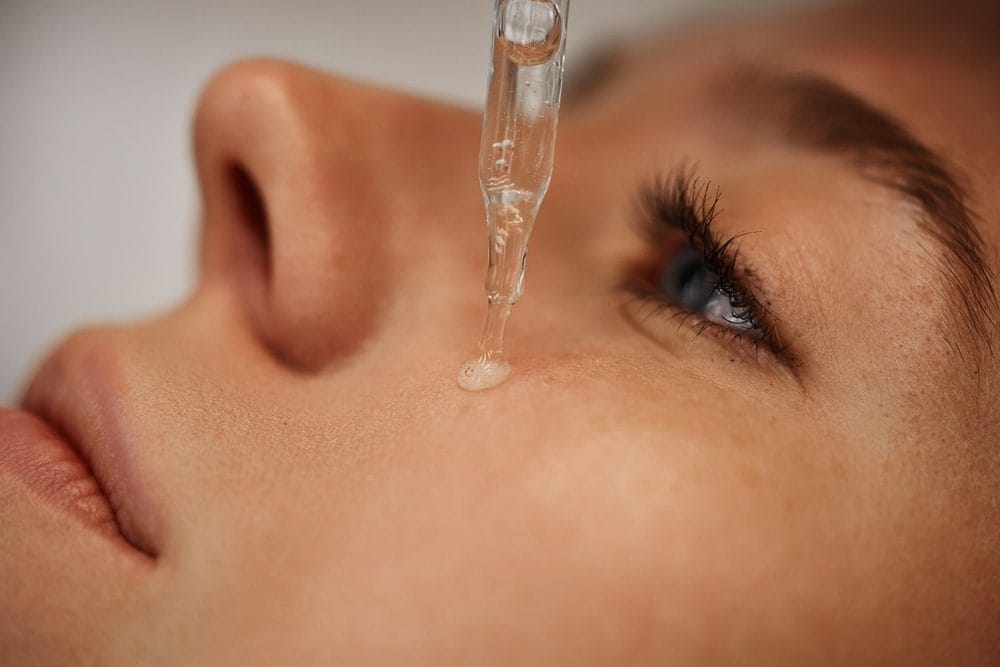
A hiperpigmentação, uma condição comum da pele caracterizada por manchas escuras ou manchas na pele, pode ser uma fonte de desconforto para muitos indivíduos. Nos últimos anos, os dispositivos domésticos de luz intensa pulsada (IPL) surgiram como uma solução potencial para o tratamento da hiperpigmentação de forma conveniente e econômica.
No entanto, a eficácia e a segurança desses dispositivos têm sido objeto de debate entre os especialistas. Neste artigo, nos aprofundamos nas opiniões e insights de Profissionais de cuidados com Para explorar o que os especialistas têm a dizer sobre o uso de IPL em casa para hiperpigmentação. Ao examinar suas perspectivas, nosso objetivo é fornecer uma compreensão abrangente dos benefícios, limitações e riscos potenciais associados a essa opção de tratamento cada vez mais popular.
Benefícios do IPL para hiperpigmentação.
IPL (Luz Pulsada Intensa) é um procedimento cosmético não invasivo que usa luz de amplo espectro para direcionar e Tratar várias condições de pele, incluindo hiperpigmentação. A hiperpigmentação refere-se ao escurecimento de certas áreas da pele devido ao excesso de produção de melanina, o pigmento responsável pela cor da pele. O tratamento com IPL oferece inúmeros benefícios para os indivíduos que lutam contra a hiperpigmentação, incluindo:
1. Redução de manchas escuras.
O IPL emite pulsos de luz de alta intensidade que são absorvidos pelo excesso de melanina na pele, fazendo com que ela se quebre e se dispersa. Como resultado, manchas escuras, manchas de idade e manchas solares causadas pela hiperpigmentação desaparecem gradualmente, levando a um tom de pele mais uniforme.
Histórias relacionadas
 Como tratar a reação alérgica ao bronzeado falso?
 Revelando a magia do óleo capilar de hibisco: um elixir natural para cabelos exuberantes.
2. Melhora geral da aparência.
Ao direcionar e minimizar a hiperpigmentação, os tratamentos com IPL podem melhorar significativamente a aparência geral da pele. Isso pode resultar em uma aparência mais jovem, radiante e rejuvenescida.

3. Não -Invasivo e mínimo tempo de inatividade.
O IPL é um procedimento não invasivo que não requer incisões ou cirurgias. Ao contrário de outros tratamentos para hiperpigmentação, como peelings químicos ou resurfacing a laser, o IPL tem um tempo de inatividade mínimo, permitindo que os indivíduos retomem suas atividades diárias imediatamente após o tratamento.
4. Seguro e eficaz.
O tratamento com IPL provou ser seguro e eficaz para vários tipos e tons de pele. Ele visa especificamente a melanina sem causar danos aos tecidos circundantes, tornando-se uma opção adequada para indivíduos com tons de pele mais escuros que podem ser mais propensos à hiperpigmentação.
5. Estimula a produção de colágeno.
O IPL não apenas visa a hiperpigmentação, mas também estimula a produção de colágeno nas camadas mais profundas da pele. O colágeno é uma proteína que fornece suporte estrutural à pele, melhorando sua elasticidade, firmeza e textura geral.

6. Resultados duradouros.
Embora os resultados individuais possam variar, os tratamentos com IPL para hiperpigmentação podem fornecer resultados duradouros quando acompanhados por cuidados adequados com a pele e proteção solar. Sessões regulares de manutenção podem ser recomendadas para manter o resultado desejado.
7 . Versatilidade.
O IPL pode ser personalizado para tratar vários tipos de hiperpigmentação, incluindo melasma, hiperpigmentação pós-inflamatória e lentigines solares. Essa versatilidade permite que os indivíduos abordem diferentes formas de hiperpigmentação em diferentes áreas do corpo.
8. Benefícios adicionais da pele.
Além de reduzir a hiperpigmentação, os tratamentos com IPL podem ajudar a resolver outras preocupações comuns da pele, como linhas finas, rugas e poros dilatados. Essa abordagem multifacetada torna o IPL uma solução abrangente para o melhoramento geral da pele.
| 💡 Dicas Muito Bem Fit.com É importante consultar um dermatologista ou esteticista qualificado para determinar se a IPL é a opção de tratamento correta para o seu tipo específico e gravidade da hiperpigmentação. Eles podem avaliar a condição da sua pele, recomendar um plano de tratamento adequado e orientá-lo no processo para alcançar os melhores resultados. |
Limitações do IPL para hiperpigmentação.
Embora o IPL possa produzir resultados satisfatórios para muitos indivíduos, é importante entender suas limitações e possíveis desvantagens. Aqui estão algumas limitações importantes do IPL para a hiperpigmentação:
1. Restrições ao tipo de pele.
O IPL pode não ser adequado para todos os tipos de pele. É mais eficaz para tons de pele castanho-claro e claro e não oferece resultados ideais para tons de pele mais escuros devido ao risco de alterações ou queimaduras na pigmentação. Essa limitação decorre dos comprimentos de onda específicos da luz usados no tratamento com IPL, que podem não direcionar adequadamente a melanina na pele mais escura.
2. Eficácia variável.
A eficácia do IPL no tratamento da hiperpigmentação pode variar de pessoa para pessoa. Fatores como gravidade e profundidade da pigmentação, causas subjacentes, sensibilidade da pele e resposta individual ao tratamento podem influenciar no resultado.
Alguns indivíduos podem ter uma melhora significativa, enquanto outros podem observar apenas mudanças sutis ou nenhuma diferença perceptível.

3. Necessário várias sessões.
O tratamento da hiperpigmentação com IPL geralmente requer várias sessões. Dependendo da gravidade da pigmentação e dos resultados desejados, podem ser necessários vários tratamentos, normalmente espaçados com algumas semanas de intervalo. Isso pode ser demorado e requer mais comprometimento dos pacientes em comparação com outras opções de tratamento.
4. efeitos colaterais potenciais.
Como qualquer procedimento médico, o IPL acarreta o risco de efeitos colaterais potenciais. Embora incomuns, podem incluir vermelhidão temporária, inchaço, irritação da pele, bolhas ou crostas. Em casos raros, podem ocorrer alterações na pigmentação, como hipo ou hiperpigmentação.
É crucial consultar um profissional qualificado e discutir os riscos e benefícios potenciais do IPL antes de prosseguir com o tratamento.
5. Eficácia limitada para certos tipos de hiperpigmentação.
O IPL geralmente é eficaz no tratamento de manchas solares, manchas de idade e hiperpigmentação geral causada pela exposição ao sol ou envelhecimento. No entanto, pode não ser tão eficaz para abordar outros tipos de problemas de pigmentação, como melasma, hiperpigmentação pós-inflamatória (PIH) ou pigmentação mais profunda devido a desequilíbrios hormonais. Nesses casos, tratamentos alternativos ou combinações de terapias podem ser mais adequados.
6. Manutenção e proteção solar.
Mesmo após alcançar os resultados desejados com IPL, a hiperpigmentação pode ocorrer novamente ao longo do tempo devido a vários fatores, incluindo exposição ao sol e alterações hormonais.
Manter os resultados geralmente requer práticas de proteção solar contínuas, como usar protetor solar diariamente, usar roupas de proteção e evitar exposição prolongada ao sol. A não realização deste procedimento pode resultar no retorno da pigmentação, necessitando de sessões adicionais de IPL ou tratamentos alternativos.
| 💡 Dicas Muito Bem Fit.com Embora o IPL possa ser uma opção de tratamento eficaz para a hiperpigmentação, é importante estar ciente de suas limitações e possíveis desvantagens. A consulta com um dermatologista ou profissional da pele é crucial para determinar a abordagem de tratamento mais adequada com base nas circunstâncias individuais, tipo de pele e resultados desejados. |
Risco de usar IPL para hiperpigmentação.
IPL, ou luz pulsada intensa, é uma opção de tratamento popular para várias condições de pele, incluindo hiperpigmentação. No entanto, é essencial considerar os riscos potenciais associados a este procedimento.
1. irritação da pele.
Os tratamentos com IPL envolvem a emissão de pulsos de luz intensos na pele, o que pode causar vermelhidão imediata, inchaço ou inflamação. Indivíduos com pele sensível podem sentir irritação mais significativa, causando desconforto ou prolongamento Tempo de recuperação.
2. Hipopigmentação.
Enquanto o IPL visa reduzir a hiperpigmentação, existe o risco de hipopigmentação, que se refere ao clareamento ou perda de pigmento da pele. Isso ocorre quando a intensa energia luminosa atinge e danifica as células produtoras de melanina responsáveis pela coloração da pele. A hipopigmentação pode resultar em tons de pele irregulares ou manchas brancas, especialmente em indivíduos com tons de pele mais escuros.
3. Agravamento da hiperpigmentação.
Em alguns casos, o IPL pode desencadear a hiperpigmentação paradoxal, que se refere ao escurecimento da área tratada em vez de clareá-la. Esse efeito adverso pode ocorrer devido ao calor excessivo gerado durante o procedimento ou configurações impróprias usadas durante o tratamento. É crucial passar por uma consulta e avaliação completas antes de prosseguir com o IPL para minimizar o risco de piora da hiperpigmentação.
4. Queimaduras e bolhas.
Os tratamentos com IPL envolvem a aplicação de calor intenso na pele, o que ocasionalmente pode levar a queimaduras ou bolhas. Esse risco é maior quando o procedimento é realizado por um profissional inexperiente ou não treinado ou quando são usadas configurações inadequadas para o tipo de pele ou condição do indivíduo.
5. Hiperpigmentação pós-inflamatória.
Após o tratamento com IPL, alguns indivíduos podem apresentar hiperpigmentação pós-inflamatória (PIH), que se refere ao escurecimento da pele em resposta a inflamação ou lesão. Esse risco é aumentado em indivíduos com histórico de HPI ou propensos a desenvolvê-lo. A adesão estrita aos cuidados pós-tratamento, incluindo proteção solar e evitando irritantes, é crucial para minimizar o risco de HIP.
6. Lesão ocular.
O IPL emite pulsos de luz intensos que podem ser prejudiciais aos olhos. Os óculos de proteção adequados devem ser usados pelo paciente e pelo médico durante o procedimento. A não realização deste procedimento pode resultar em lesões oculares, como queimaduras ou danos à retina.
7 . Resultados ineficazes.
Embora o IPL possa ser eficaz no tratamento da hiperpigmentação, não há garantia de erradicação completa ou melhora significativa. Os resultados podem variar dependendo do tipo de pele do indivíduo, da gravidade e do tipo de hiperpigmentação e da habilidade e experiência do praticante.
| 💡 Dicas Muito Bem Fit.com É importante consultar um dermatologista qualificado ou profissional de cuidados com a pele que possa avaliar sua situação específica e determinar se o IPL é a opção de tratamento adequada para sua hiperpigmentação. Eles também fornecerão orientações sobre os riscos e benefícios potenciais, garantindo que você tome uma decisão informada sobre sua jornada de cuidados com a pele. |
Em casa, o IPL para hiperpigmentação: o que dizem os especialistas?
Os dispositivos em casa de IPL (Luz pulsada intensa) ganharam popularidade como uma opção de autotratamento para hiperpigmentação. No entanto, quando se trata da eficácia desses dispositivos, os especialistas têm opiniões divergentes. Alguns especialistas afirmam que os dispositivos domésticos IPL podem não fornecer o mesmo nível de intensidade e precisão que os tratamentos profissionais, levando potencialmente a resultados menos perceptíveis.
Eles também enfatizam a importância de entender a causa subjacente da hiperpigmentação antes de tentar qualquer tratamento, pois certas condições podem exigir intervenção médica.
Por outro lado, alguns especialistas acreditam que os dispositivos IPL domésticos podem ser eficazes para casos leves de hiperpigmentação e podem fornecer uma alternativa conveniente e econômica aos tratamentos profissionais.
Em última análise, é crucial consultar um dermatologista ou outros profissionais de cuidados com a pele para avaliar a adequação do IPL doméstico para sua condição específica e receber orientação adequada sobre o uso e quaisquer riscos potenciais.
Resumindo.
Os especialistas expressaram opiniões diversificadas sobre o uso de dispositivos IPL domésticos para tratamento de hiperpigmentação. Embora alguns acreditem que esses dispositivos podem ser eficazes e seguros quando usados corretamente, outros alertam contra seu uso devido a riscos potenciais e falta de supervisão profissional.
É importante que os indivíduos que consideram o tratamento em casa com IPL consultem um dermatologista ou profissional de cuidados com a pele para avaliar sua condição específica e determinar o plano de tratamento mais adequado.
Além disso, a educação adequada e a adesão às diretrizes de segurança são cruciais para minimizar o risco de efeitos adversos. Mais pesquisas e estudos de longo prazo são necessários para estabelecer a eficácia e segurança dos dispositivos IPL domésticos para o tratamento da hiperpigmentação.