












 تدرب
تدرب

 تأمل
تأمل





عندما يفكر معظم الناس في اللياقة البدنية ، فإنهم يركزون على الأهداف المرئية مثل فقدان الوزن أو بناء العضلات أو تحسين القدرة على التحمل. ومع ذلك ، فإن المفهوم الذي غالبًا ما يتم تجاهله والمعروف باسم القدرة الاحتياطية للياقة البدنية (FRC) قد يوفر صورة أكثر جدوى لصحتك على المدى الطويل ومرونتك الجسدية.
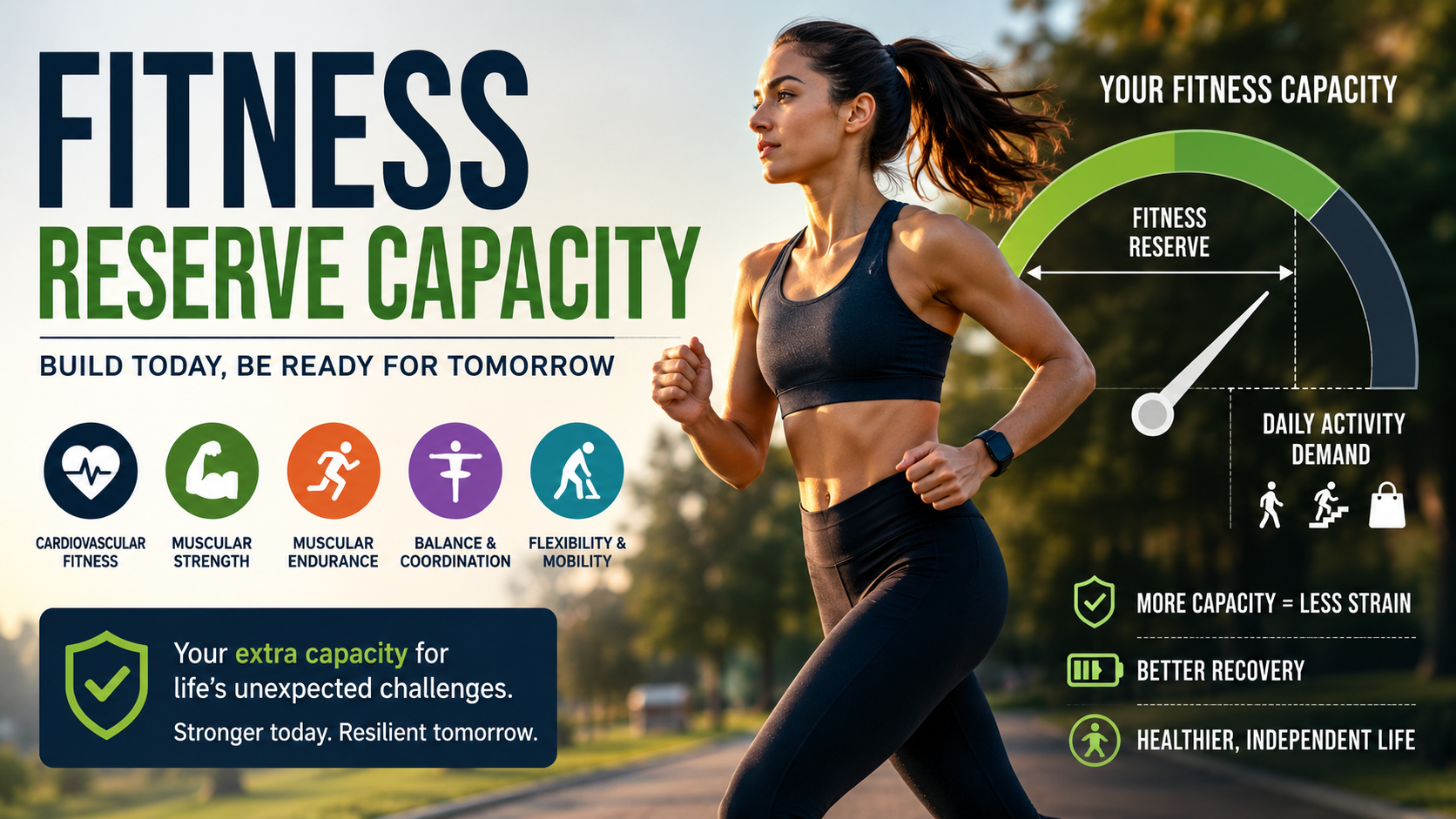
تشير سعة احتياطي اللياقة إلى الفرق بين أقصى قدرتك البدنية ومقدار اللياقة المطلوبة لأداء أنشطتك اليومية العادية. بعبارات بسيطة ، فهي تمثل القدرة الجسدية “الإضافية” التي يمكن لجسمك الاعتماد عليها عندما تصبح الحياة أكثر تطلبًا.
سواء كان الأمر يتعلق بصعود العديد من السلالم ، أو حمل البقالة الثقيلة ، أو التعافي من المرض ، أو اللعب مع الأطفال ، أو الاستجابة لحالات الطوارئ ، فإن محمية لياقة بدنية أكبر تسمح لجسمك بأداء هذه المهام بجهد أقل وسلامة أكبر.
بحث حديث في علم وظائف الأعضاء و الشيخوخة الصحية يقترح أن الحفاظ على احتياطي لياقة عالية يرتبط بتحسين الاستقلال الوظيفي ، وتقليل مخاطر الإعاقة ، وتحسين نوعية الحياة ، والشيخوخة الصحية. في حين أن المصطلح نفسه لا يزال يبرز في مناقشات الصحة العامة ، إلا أن مبادئه الأساسية هي مدعومة بشكل جيد بعقود من الأدلة على اللياقة القلبية التنفسية, ، قوة العضلات والتوازن والوظيفة البدنية.
قصص ذات صلة
 كيف تخفض معدل ضربات القلب بعد التمرين: 10 أفضل الطرق
 ما هو التحدي الصعب 75 وكيف تفعل بالفعل؟
ما هي القدرة الاحتياطية للياقة البدنية؟
سعة احتياطي اللياقة (FRC) هي الفرق بين ذروة قدرتك البدنية والمتطلبات المادية للحياة اليومية.
تخيل شخصين يحتاجان إلى صعود ثلاث درجات من السلالم.
- يصل الشخص "أ" إلى الجزء العلوي من التنفس بشدة ويحتاج إلى عدة دقائق للتعافي.
- يصل الشخص "ب" إلى القمة بشكل مريح ويستمر في المشي دون صعوبة.
على الرغم من أن كلاهما أكمل نفس المهمة ، إلا أن الشخص "ب" لديه احتياطي لياقة أكبر لأن الأنشطة اليومية تتطلب نسبة صغيرة فقط من أقصى طاقتها البدنية.
يعني الاحتياط الأعلى أن جسمك لديه قوة إضافية وتحمل ومرونة وتوازن وقدرة القلب والأوعية الدموية المتاحة عند الحاجة.

لماذا تهمة احتياطي اللياقة البدنية مهمة؟
يتكيف جسمك باستمرار مع الإجهاد البدني. الأنشطة اليومية والعمل والتمارين الرياضية والمرض والشيخوخة تضع كلها متطلبات مختلفة على عضلاتك وقلبك ورئتيك و الجهاز العصبي.
عندما تكون طاقتك الاحتياطية عالية:
- الأنشطة اليومية تشعر بالسهولة.
- يتطور التعب بشكل أبطأ.
- الانتعاش أسرع.
- يتم الحفاظ على الاستقلال الجسدي بشكل أفضل.
- قد تكون الإصابات أقل احتمالا أثناء الحركة الروتينية.
- الجسم مستعد بشكل أفضل للتحديات غير المتوقعة.
على العكس من ذلك ، فإن الأفراد ذوي القدرة الاحتياطية المنخفضة غالبا ما تواجه التعب أثناء المهام العادية لأن هذه المهام تستهلك نسبة كبيرة من مواردها المادية المتاحة.
مكونات القدرة الاحتياطية للياقة البدنية.
لا يتم تحديد سعة احتياطي اللياقة البدنية بقياس واحد فقط. بدلاً من ذلك ، فإنه يعكس تفاعل العديد من مكونات اللياقة البدنية.
1. اللياقة القلبية التنفسية.
تعكس اللياقة القلبية التنفسية مدى كفاءة عمل القلب والرئتين والعضلات معًا لتوصيل الأكسجين أثناء النشاط البدني.(1),(2),(3)
الأفراد الذين يتمتعون بلياقة هوائية أعلى عمومًا لديهم احتياطي أكبر لأن الأنشطة الروتينية تتطلب جهدًا أقل للقلب والأوعية الدموية.
يساهم المشي وركوب الدراجات والسباحة والركض والتمارين الهوائية في تحسين هذا المكون.
2. القوة العضلية.
تحدد القوة قدرتك على توليد القوة.
تصبح المهام اليومية البسيطة مثل رفع الأمتعة أو حمل البقالة أو الوقوف من على كرسي أو دفع الأشياء الثقيلة أسهل عندما تتطور القوة العضلية بشكل جيد.
كما يساعد تدريب القوة على الحفاظ على كتلة العضلات مع تقدم العمر.
3. التحمل العضلي.
يشير التحمل إلى قدرة العضلات على إجراء تقلصات متكررة بمرور الوقت دون إرهاق مفرط.
ومن الأمثلة:
- المشي لمسافات طويلة.
- صعود الدرج.
- البستنة.
- الأعمال المنزلية.
- الرياضات الترفيهية.
التحمل الأكبر يعني أن هذه الأنشطة تتطلب جهدًا أقل.
4. التوازن والتنسيق.
توازن جيد يقلل من مخاطر السقوط مع التحسن كفاءة الحركة.
يصبح هذا مهمًا بشكل خاص لدى كبار السن لأن التوازن ينخفض بشكل طبيعي مع تقدم العمر.
تساعد الأنشطة مثل اليوجا والتاي تشي وتمارين التوازن أحادية الساق في الحفاظ على القدرة الاحتياطية.
5. المرونة والتنقل
تتحرك المفاصل الصحية بكفاءة من خلال نطاق حركتها الكامل.
يزيد ضعف الحركة من صعوبة الحركة ويزيد من الضغط على العضلات والمفاصل.
تمارين التمدد والحركة المنتظمة تدعم الحركة الوظيفية طوال الحياة.
القدرة على اللياقة البدنية والشيخوخة الصحية.
من أهم تطبيقات سعة احتياطي اللياقة البدنية صحية الشيخوخة.
بداية من العقد الرابع من العمر، يزداد تدريجيا البالغين فقد العضلات الكتلة والقدرة الهوائية والقوة إذا ظلت غير نشطة.
هذا الانخفاض الطبيعي يقلل من القدرة الاحتياطية.
عندما تصبح السعة الاحتياطية صغيرة جدًا ، قد تصبح الأنشطة اليومية التي شعرت بالسهولة ذات مرة أمرًا متطلبًا جسديًا.
ومن الأمثلة:
- النهوض من الأرض.
- حمل حقائب التسوق.
- المشي صعودا.
- صعود الدرج.
- اللعب مع الأحفاد.
يساعد الحفاظ على نمط حياة نشط في الحفاظ على الاستقلال الوظيفي وقد يؤخر التدهور الجسدي المرتبط بالعمر.
العوامل التي تؤثر على قدرة احتياطي اللياقة البدنية.
تحدد عدة عوامل مقدار القدرة الاحتياطية للفرد.
النشاط البدني.
تظل ممارسة الرياضة المنتظمة هي العامل الأقوى للتعديل.
الأفراد الذين يؤدون باستمرار تدريبات هوائية ، قوة ، مرونة ، وتوازن يحافظون بشكل عام على قدرة احتياطية أعلى.(4),(5)
العمر.
القدرة الاحتياطية تنخفض بشكل طبيعي مع تقدم العمر.
ومع ذلك ، تظهر الأبحاث باستمرار أن كبار السن النشطين بدنيًا غالبًا ما يحتفظون بقدرة وظيفية أكبر بكثير من الأفراد المستقرين في نفس العمر.
التغذية.
كاف استهلاك البروتين يدعم العضلات الصيانة والانتعاش.
وجبات متوازنة غنية بالفواكه والخضروات والحبوب الكاملة والدهون الصحية والفيتامينات والمعادن تساهم في الأداء البدني العام.
النوم.
جودة النوم تدعم الانتعاش وتنظيم الهرمونات وإصلاح العضلات والأداء الرياضي.
قد يؤدي الحرمان المزمن من النوم إلى إضعاف القدرة البدنية بمرور الوقت.
الحالات الصحية المزمنة.
قد تكون هناك حالات مثل السمنة وأمراض القلب والأوعية الدموية والتهاب المفاصل والسكري وأمراض الرئة المزمنة تقليل القدرة الاحتياطية عن طريق الحد من الأداء البدني.
غالبًا ما تساعد الإدارة الطبية المناسبة جنبًا إلى جنب مع النشاط البدني المنتظم في تحسين القدرة الوظيفية.
كيفية تحسين قدرة احتياطي اللياقة البدنية؟
لا يتطلب تحسين القدرة الاحتياطية أداءً رياضيًا للنخبة.
يمكن أن تنتج التحسينات الصغيرة والمتسقة عبر مجالات اللياقة المتعددة فوائد ذات مغزى.
أداء تمارين هوائية منتظمة.
استهدف ما لا يقل عن 150 دقيقة من النشاط الهوائي المعتدل الكثافة كل أسبوع ، أو 75 دقيقة من النشاط القوي ، جنبًا إلى جنب مع تمارين تقوية العضلات على مدار يومين أو أكثر في الأسبوع ، بما يتفق مع إرشادات النشاط البدني المقبولة على نطاق واسع.
ومن الأمثلة:
- المشي السريع.
- ركوب الدراجات.
- السباحة.
- الرقص.
- التجديف.
قطار القوة باستمرار.
تدريب المقاومة يحسن قوة العضلات وصحة العظام والحركة الوظيفية.
تشمل تمارين الاستهداف:
- ساق
- سند
- صندوق
- أكتاف
- قلب
- أسلحة
تقدم تدريجيًا مع الحفاظ على التقنية المناسبة.
تحسين التوازن.
أصبحت تمارين التوازن ذات قيمة متزايدة مع تقدم العمر.
تشمل الخيارات البسيطة:
- يقف على ساق واحدة.
- المشي من الكعب إلى أخمص القدمين.
- تاي تشي.
- اليوجا.
- تدريبات التوازن الوظيفي.
إعطاء الأولوية للاسترداد.
تحفز التمارين التكيف ، لكن التعافي يسمح بحدوث هذه التكيفات.
دعم الانتعاش من خلال:
- قسط كاف من النوم.
- ترطيب.
- التغذية المتوازنة.
- أيام الراحة.
- إدارة الإجهاد.
ابق نشطًا بدنيًا طوال اليوم.
التدريبات المنظمة مهمة ، لكن الحركة اليومية تساهم أيضًا في السعة الاحتياطية.
زيادة النشاط غير الرياضي عن طريق:
- المشي أثناء فترات الراحة.
- صعود السلالم.
- البستنة.
- الأعمال المنزلية.
- اللعب مع الأطفال.
- الوقوف بشكل متكرر.
كيف يمكنك تقدير احتياطي اللياقة البدنية الخاص بك؟
على الرغم من عدم وجود اختبار واحد يقيس بشكل مباشر القدرة الاحتياطية للياقة البدنية ، إلا أن أخصائيي الرعاية الصحية وأخصائيي التمارين يقيمونها غالبًا باستخدام تقييمات متعددة.
قد تشمل هذه:
- اختبار اللياقة القلبية التنفسية (مثل VO₂ ماكس أو اختبارات التمرين دون الحد الأقصى).
- قوة قبضة.
- اختبارات الجلوس على الوقوف.
- سرعة المشي.
- توقيت وذهب (السحب) اختبار.
- تقييمات التوازن.
- اختبارات المرونة.
- تقييمات الحركة الوظيفية.
تساعد هذه التقييمات معًا في تحديد ما إذا كانت قدرتك البدنية تتجاوز بشكل كبير متطلبات الحياة اليومية.
أساطير شائعة حول قدرة احتياطي اللياقة البدنية.
الخرافة 1: الرياضيون فقط يحتاجون إلى القدرة الاحتياطية.
الحقيقة: يستفيد الجميع من امتلاك القدرة البدنية الإضافية ، خاصة مع تقدمهم في السن أو التعافي من المرض.
الخرافة الثانية: فقدان الوزن يحسن السعة الاحتياطية تلقائيًا.
الحقيقة: مع الحفاظ على وزن صحي يمكن أن تساعد ، والتحسينات في اللياقة الهوائية ، والقوة ، والتنقل ، والتوازن هي مهمة بنفس القدر.
الخرافة الثالثة: كبار السن لا يستطيعون تحسين القدرة الاحتياطية.
الحقيقة: تظهر الأبحاث باستمرار أن التمرين الموصوف بشكل مناسب يمكن تحسين القوة, والتحمل والتوازن والقدرة الوظيفية في مرحلة البلوغ الأكبر سنًا.
الخرافة الرابعة: الأنشطة اليومية توفر تمارين كافية.
الحقيقة: على الرغم من أن البقاء نشطًا مفيد ، إلا أن التمارين الهوائية المنظمة وممارسة المقاومة غالبًا ما توفر تحسينات أكبر في القدرة البدنية من روتين يومي الحركة وحدها.
حدود المفهوم.
تعد القدرة الاحتياطية للياقة إطارًا مفيدًا ، ولكن لا ينبغي اعتبارها قياسًا طبيًا مستقلاً.
يستخدم البحث الحالي مصطلحات مختلفة - بما في ذلك الاحتياطي الفسيولوجي, احتياطي وظيفي, و و و القدرة الوظيفية- لوصف مفاهيم مماثلة. لا تزال الأساليب الموحدة لقياس سعة احتياطي اللياقة البدنية تتطور بشكل مباشر.
القدرة الاحتياطية الفردية تتأثر بالوراثة, الحالة الصحية, ونمط الحياة والأدوية والعوامل البيئية. لذلك ، يجب دائمًا تفسير تقييمات اللياقة البدنية في سياق أ الصحة العامة للشخص.
الأسئلة المتداولة.
1. هل قدرة احتياطي اللياقة البدنية هي نفسها vo₂ max؟
لا يقيس VO₂ ماكس السعة الهوائية القصوى، بينما تعكس سعة احتياطي اللياقة البدنية الفرق الأوسع بين قدرتك البدنية القصوى ومتطلبات الحياة اليومية.
2. هل يمكن للمبتدئين تحسين قدراتهم الاحتياطية؟
نعم. يختبر معظم المبتدئين تحسينات ذات مغزى من خلال التمارين الهوائية المتسقة ، وتمارين المقاومة ، وعمل المرونة ، وتمارين التوازن.
3. هل تزيد تدريبات القوة من القدرة الاحتياطية؟
نعم. العضلات القوية تجعل الأنشطة اليومية تتطلب جهدًا نسبيًا أقل ، مما يزيد من الاحتياطي الوظيفي.
4. لماذا تعتبر القدرة الاحتياطية مهمة بعد سن 40؟
نظرًا لأن كتلة العضلات واللياقة الهوائية والوظيفة البدنية تنخفض بشكل طبيعي مع تقدم العمر ، فإن الحفاظ على احتياطي أكبر يساعد في الحفاظ على الاستقلالية والمرونة.
5. هل يمكن للقدرة الاحتياطية للياقة أن تتنبأ بطول العمر؟
على الرغم من أنه ليس مؤشرًا مباشرًا ، إلا أن المستويات الأعلى من اللياقة القلبية التنفسية والقوة العضلية والوظيفة البدنية - المكونات الرئيسية للقدرة الاحتياطية - ارتبطت بانخفاض مخاطر الإصابة بالأمراض المزمنة والوفيات المبكرة في العديد من الدراسات.
الخلاصة.
تحوّل القدرة الاحتياطية للياقة البدنية تركيز التمرين بعيدًا عن المظهر وحده ونحو المرونة البدنية طويلة المدى. من خلال الحفاظ على احتياطي من القوة والتحمل والتوازن واللياقة القلبية الوعائية بما يتجاوز ما تتطلبه الحياة اليومية ، يكون الأفراد أكثر استعدادًا للتعامل مع التحديات الجسدية غير المتوقعة ، والتعافي من المرض ، والبقاء مستقلين مع تقدمهم في العمر.
لا يتطلب تحسين القدرة الاحتياطية للياقة البدنية تمارين متطرفة أو قدرة رياضية للنخبة. يمكن للتمارين الهوائية المتسقة ، وتمارين القوة المنتظمة ، والتغذية الصحية ، والنوم الجيد ، وأسلوب الحياة النشط أن يبني بشكل جماعي احتياطيًا أكبر يدعم الصحة مدى الحياة والرفاهية الوظيفية. بدلا من أن أسأل فقط “هل أنا لائق بما فيه الكفاية لهذا اليوم؟” تشجع القدرة الاحتياطية للياقة البدنية على سؤال أكثر قيمة: “هل أقوم ببناء سعة كافية للسنوات المقبلة؟”
+5 مصادر
لدى VeryWelfit إرشادات صارمة بشأن المصادر وتعتمد على الدراسات التي راجعها الأقران ومعاهد البحوث التعليمية والمنظمات الطبية. نتجنب استخدام المراجع من الدرجة الثالثة. يمكنك معرفة المزيد حول كيفية ضمان دقة المحتوى الخاص بنا وتحديثه من خلال قراءة سياسة التحرير.
- الشيخوخة والنشاط: آثارها على القدرات الاحتياطية الوظيفية للقلب والعضلات الوعائية الملساء والهيكلية ؛; https://pubmed.ncbi.nlm.nih.gov/16338704/
- قدرة احتياطي القلب والأوعية الدموية لدى كبار السن الأصحاء ؛; https://pubmed.ncbi.nlm.nih.gov/7880870/
- احتياطي القلب الفسيولوجي: تطوير طريقة غير جراحية والتقديرات الأولى في الإنسان ؛; https://pubmed.ncbi.nlm.nih.gov/9602665/
- دور التمارين في شيخوخة القلب: من علم وظائف الأعضاء إلى الآليات الجزيئية ؛; https://pmc.ncbi.nlm.nih.gov/articles/PMC4914047/
- آثار التمارين والشيخوخة على العضلات الهيكلية.; https://pmc.ncbi.nlm.nih.gov/articles/PMC5830901/