












 latihan

 meditasi





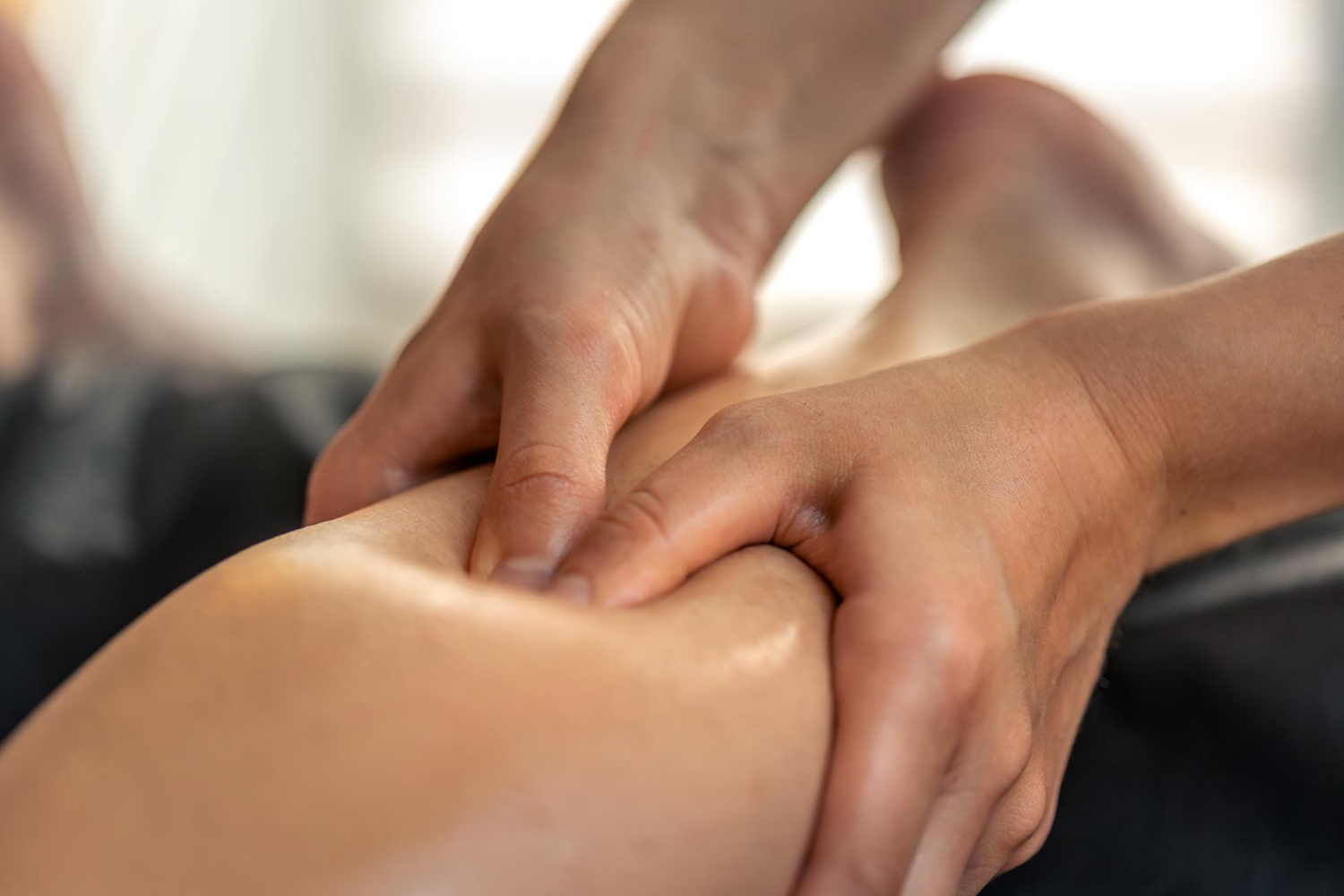
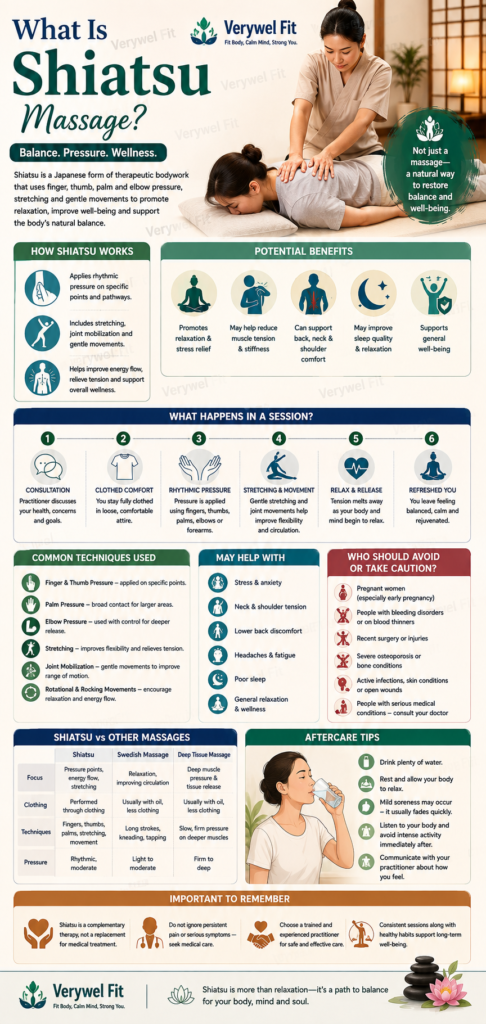
Pijat shiatsu adalah bentuk tubuh terapi Jepang yang menggunakan jari, ibu jari, telapak tangan, dan terkadang tekanan siku di sepanjang area tubuh tertentu. Kata shiatsu menerjemahkan kira-kira menjadi “tekanan jari.”
Tidak seperti banyak teknik pijat barat yang terutama mengandalkan otot-otot menguleni dan menggosok, Shiatsu secara tradisional menggunakan tekanan ritmis, peregangan, gerakan sendi, dan manipulasi tubuh yang lembut. Praktisi dapat memberikan tekanan pada titik atau jalur tertentu saat penerima tetap berpakaian lengkap.
Shiatsu sering digambarkan sebagai terapi komplementer yang dimaksudkan untuk meningkatkan relaksasi dan mendukung kesejahteraan umum. Hal ini juga kadang-kadang digunakan oleh orang-orang yang mengalami ketegangan otot, stres, kelelahan, atau jenis nyeri tertentu.
Namun, penting untuk membedakan penjelasan tradisional dari bukti ilmiah modern. Shiatsu berkembang dalam tradisi terapi Jepang dan memiliki hubungan konseptual dengan pengobatan Asia Timur, sementara penelitian kontemporer telah menyelidiki apakah efek fisiknya diterjemahkan ke dalam perbaikan gejala yang terukur.
Cerita terkait
 Mudra untuk membersihkan lendir dari paru-paru Anda secara alami
 Bagaimana Pose Yoga Bintang Jatuh Membantu Saya Menemukan Keseimbangan dan Kekuatan: Manfaat, Langkah, dan Tindakan Pencegahan
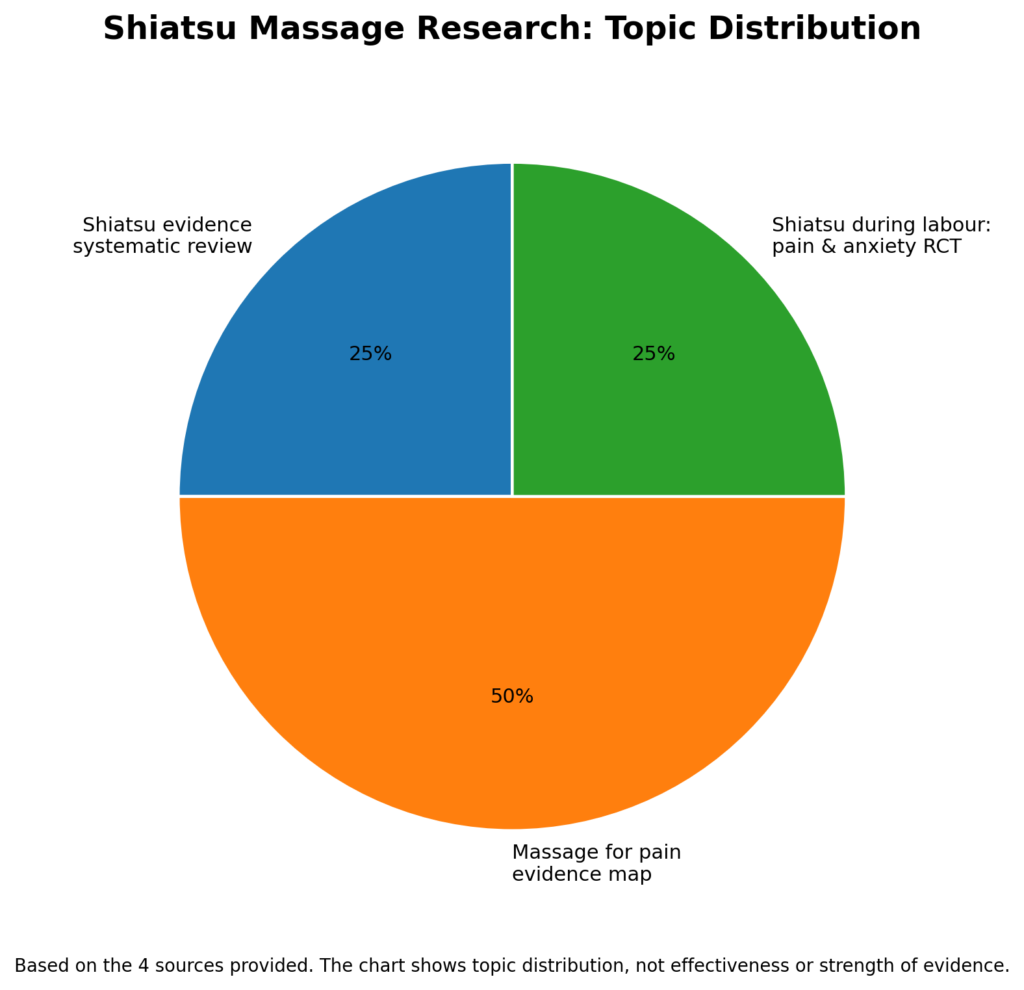
Sebuah tinjauan sistematis yang memeriksa shiatsu dan akupresur menemukan bahwa bukti yang secara khusus mendukung shiatsu terbatas, dengan uji klinis berkualitas tinggi yang tersedia relatif sedikit. Para peneliti menyimpulkan bahwa penelitian yang lebih ketat diperlukan sebelum kesimpulan tegas dapat dibuat tentang efektivitas shiatsu.(1)
Oleh karena itu, shiatsu paling baik dipahami sebagai pendekatan pelengkap, daripada pengganti diagnosis medis atau pengobatan berbasis bukti.
Bagaimana cara kerja pijat shiatsu?
Selama sesi shiatsu yang khas, praktisi menggunakan tekanan terkontrol pada berbagai bagian tubuh. Tekanan dapat diterapkan dengan:
- jempol
- jari-jari
- telapak tangan
- garda depan
- Siku, tergantung pada teknik
- Kadang-kadang lutut atau lainnya Bagian tubuh Dalam pendekatan tertentu
Praktisi juga dapat memasukkan:

- Peregangan lembut
- Mobilisasi bersama
- gerakan rotasi
- goyah
- tekanan ritmis
- gerakan dibantu gerak
Sesi biasanya berlangsung di atas matras atau meja pijat yang nyaman. Tidak seperti pijat berbasis minyak, penerima umumnya tetap berpakaian.
Tekanan biasanya berirama daripada terus menerus. Praktisi menyesuaikan intensitas sesuai dengan kenyamanan, kondisi fisik, usia, dan tujuan perawatan orang tersebut.
Dari perspektif fisiologis modern, tekanan dan gerakan dapat merangsang reseptor sensorik di kulit, otot, dan jaringan ikat. Terapi sentuhan dan manual juga dapat mempengaruhi persepsi nyeri dan berkontribusi pada relaksasi.
Namun, beberapa penjelasan Shiatsu tradisional melibatkan konsep seperti ki, atau energi vital, dan jalur yang dikenal sebagai meridian. Konsep-konsep tradisional ini tidak boleh disajikan sebagai struktur fisiologis yang ditetapkan secara ilmiah.
Bukti seputar Shiatsu sendiri masih relatif terbatas. Sebuah tinjauan sistematis mengidentifikasi hanya sembilan studi shiatsu di antara literatur yang dievaluasi dan menyimpulkan bahwa kuantitas dan kualitas bukti tidak cukup untuk kesimpulan klinis yang kuat.
Apa yang terjadi selama sesi pijat shiatsu?
Penunjukan shiatsu umumnya dimulai dengan percakapan singkat antara praktisi dan klien.
Praktisi mungkin bertanya tentang:
- Ketidaknyamanan saat ini
- cedera sebelumnya
- Kondisi medis
- obat-obatan
- Tingkat aktivitas
- tekanan
- adalah tenter
- daerah ketegangan
- Harapan pengobatan
Penilaian awal ini penting karena pijat tidak sesuai untuk setiap kondisi.
Klien biasanya tetap mengenakan pakaian yang nyaman. Celana longgar, t-shirt, atau pakaian serupa umumnya membuat gerakan lebih mudah.
Praktisi kemudian memposisikan klien dan mulai menerapkan tekanan.
Tidak seperti pijatan khas Swedia, Anda tidak perlu mengharapkan pukulan panjang yang mengalir menggunakan minyak pijat. Shiatsu umumnya menekankan tekanan, peregangan, gerakan, dan kontak ritmis.
Sesi mungkin melibatkan praktisi yang bekerja pada punggung, bahu, lengan, kaki, pinggul, leher, tangan, atau kaki.
Tekanan umumnya harus terasa bertujuan tetapi dapat ditoleransi.
Sakit bukan tujuannya.
Jika tekanan menjadi tajam, terlalu menyakitkan, menyebabkan mati rasa, atau terasa tidak pantas, segera berkomunikasi dengan praktisi.
Apa manfaat potensial dari pijat shiatsu?
Orang mencari shiatsu untuk berbagai alasan, meskipun jumlah bukti ilmiah yang mendukung setiap penggunaan bervariasi.
1. relaksasi dan manajemen stres.
Salah satu alasan paling umum orang menerima shiatsu adalah relaksasi.
Tekanan yang lambat, berirama, dan kontak fisik yang terfokus dapat menciptakan pengalaman yang menenangkan. Pijat secara lebih umum telah dikaitkan dengan relaksasi dan perbaikan gejala tertentu, meskipun kualitas penelitian bervariasi antara kondisi dan teknik.(2)
Oleh karena itu, Shiatsu mungkin berguna sebagai bagian dari rutinitas relaksasi yang lebih luas.
Namun, tidak boleh dipromosikan sebagai pengobatan yang terbukti untuk gangguan kecemasan, depresi, atau mental lainnya Kondisi kesehatan.
Jika seseorang mengalami kecemasan yang terus-menerus, depresi, serangan panik, atau tekanan psikologis yang signifikan, perawatan kesehatan mental profesional tidak boleh digantikan oleh pijat.
2. Ketegangan otot.
Banyak orang menggunakan shiatsu ketika otot mereka terasa kencang setelah duduk lama, aktivitas berulang, olahraga, atau stres sehari-hari.
Tekanan manual untuk sementara dapat mengubah cara seseorang merasakan ketegangan otot dan ketidaknyamanan.
Sesi shiatsu mungkin sangat menarik bagi orang-orang yang lebih menyukai gaya pijat yang menggabungkan tekanan dengan peregangan dan gerakan.
Namun demikian, ketegangan otot yang berulang mungkin memiliki penyebab yang mendasarinya, seperti ergonomi yang buruk, pemulihan yang tidak memadai, kelemahan, beban latihan yang berlebihan, atau kondisi muskuloskeletal yang mendasarinya.
Pijat dapat mengatasi gejala tanpa harus memperbaiki penyebab yang mendasarinya.
3. Manajemen nyeri.
Terapi pijat telah dipelajari untuk beberapa kondisi nyeri, termasuk masalah punggung, leher, bahu, dan otot lainnya.
NCCIH melaporkan bahwa pijat dapat membantu kondisi nyeri tertentu, meskipun bukti sering kali terbatas dan manfaatnya mungkin bersifat jangka pendek.
Sebuah peta bukti luas pijat untuk nyeri mengidentifikasi 31 tinjauan sistematis. Meskipun beberapa ulasan berkualitas tinggi menyarankan manfaat potensial untuk beberapa kondisi nyeri, tidak ada temuan yang dinilai memiliki bukti kekuatan sedang atau tinggi.(3)
Hal ini sangat penting ketika membahas shiatsu karena penelitian tentang terapi pijat secara umum tidak dapat secara otomatis ditafsirkan sebagai bukti bahwa shiatsu itu sendiri Bekerja sama baiknya.
4. Ketidaknyamanan leher dan bahu.
Shiatsu mungkin menarik bagi orang-orang yang mengalami ketegangan di sekitar bahu dan punggung atas.
Penggunaan komputer yang berkepanjangan, pekerjaan yang berulang, stres, dan pengaturan workstation yang buruk semuanya dapat berkontribusi pada ketidaknyamanan leher dan bahu.
Pijat dapat memberikan bantuan gejala jangka pendek, tetapi nyeri leher yang persisten atau parah harus dievaluasi secara medis.
Gejala seperti kelemahan, mati rasa, sakit kepala parah, kehilangan koordinasi, nyeri terkait trauma, atau nyeri yang menjalar ke lengan memerlukan penilaian profesional daripada perawatan sendiri dengan pijatan.
5. Ketidaknyamanan punggung bawah.
Terapi pijat telah diselidiki untuk nyeri punggung bawah, dengan beberapa bukti menunjukkan peningkatan jangka pendek.
NCCIH mencatat bahwa evaluasi pijat untuk nyeri punggung bawah telah ditemukan Manfaat Potensial, meskipun kekuatan bukti tidak tinggi dan penelitian belum menetapkan satu gaya pijat sebagai jelas lebih unggul dari yang lain.
Oleh karena itu, Shiatsu dapat dianggap sebagai pilihan pelengkap bagi beberapa orang dengan ketidaknyamanan otot yang tidak rumit.
itu tidak boleh digunakan untuk menunda evaluasi yang tidak dapat dijelaskan atau persisten sakit punggung.
6. Tidur dan relaksasi.
Beberapa orang melaporkan merasa rileks atau mengantuk setelah dipijat.
Shiatsu mungkin mendukung rutinitas waktu tidur yang menenangkan, terutama ketika stres atau ketegangan otot membuat relaksasi menjadi sulit.
Namun, bukti yang secara khusus menetapkan shiatsu sebagai pengobatan yang efektif untuk insomnia terbatas.
Masalah tidur yang terus menerus harus dievaluasi untuk penyebab seperti sleep apnea, efek obat, kecemasan, depresi, sakit kronis, sindrom kaki gelisah, atau kebiasaan tidur yang buruk.
7 Kesejahteraan umum.
Shiatsu sering digunakan sebagai praktik kesehatan daripada hanya untuk mengobati masalah medis tertentu.
Seseorang mungkin mencari sesi hanya karena mereka menikmati sentuhan terapeutik, peregangan, waktu tenang, dan relaksasi.
Ini adalah penggunaan pijat yang wajar selama harapan tetap realistis.
Pijat shiatsu dan obat tradisional Jepang.
Shiatsu muncul di Jepang dan berkembang dari tradisi yang melibatkan terapi manual dan pengobatan berbasis tekanan.
Teori Shiatsu tradisional sering membahas KI dan jalur yang dilalui energi yang diyakini mengalir.
Praktisi dapat mengevaluasi tubuh menurut konsep tradisional daripada hanya mengandalkan model anatomi Barat.
Penting untuk menghormati konteks sejarah dan budaya shiatsu sambil membedakan teori tradisional dari bukti biomedis modern.
Penelitian modern dapat mengevaluasi hasil seperti rasa sakit, kecemasan, fungsi fisik, dan kualitas hidup. Itu tidak dapat secara otomatis memvalidasi setiap penjelasan tradisional mengapa terapi berhasil.
Pijat Shiatsu vs Pijat Swedia.
Pijat Shiatsu dan Swedia keduanya dapat melibatkan sentuhan terapeutik, tetapi teknik mereka berbeda.
Shiatsu umumnya menekankan:
- Tekanan jari dan ibu jari
- kompresi berirama
- regangan
- Gerakan bersama
- Bekerja melalui pakaian
- Prinsip Terapi Tradisional Jepang
Pijat Swedia biasanya menekankan:
- goresan panjang
- pengeleman
- perselisihan
- gerakan berirama
- Minyak pijat atau lotion
- Manipulasi langsung jaringan lunak
Tidak ada pendekatan yang secara universal lebih baik.
Pilihan terbaik tergantung pada preferensi pribadi, tujuan perawatan, kondisi fisik, dan pelatihan terapis.
Pijat Shiatsu vs Pijat Jaringan Dalam.
Pijat jaringan dalam umumnya dirancang untuk menerapkan tekanan berkelanjutan ke lapisan otot dan jaringan ikat yang lebih dalam.
Shiatsu tidak selalu bertujuan untuk bekerja dalam-dalam ke otot tisu.
Sebaliknya, sering menggunakan tekanan berulang, peregangan, dan gerakan.
Tekanan dalam tidak secara inheren lebih terapeutik.
Bahkan, tekanan yang berlebihan dapat menyebabkan rasa sakit atau cedera, terutama pada orang yang rentan karena usia, obat-obatan, kondisi medis, atau cedera baru-baru ini.
NCCIH mencatat bahwa meskipun pijatan umumnya tampaknya memiliki sedikit risiko bila dilakukan dengan tepat, efek samping serius yang jarang terjadi seperti pembekuan darah, cedera saraf, dan patah tulang telah dilaporkan, terutama dengan pijatan berat atau pada individu yang berisiko lebih tinggi.
Pijat shiatsu vs akupresur.
Shiatsu dan akupresur terkait erat karena keduanya mungkin melibatkan penerapan tekanan pada titik-titik tertentu.
Namun, mereka tidak perlu dipertukarkan.
Shiatsu adalah sistem bodywork Jepang yang lebih luas yang melibatkan tekanan, gerakan, peregangan, dan manipulasi.
Akupresur umumnya lebih spesifik untuk menerapkan tekanan pada titik-titik terkait akupunktur.
Sebuah tinjauan sistematis menemukan secara substansial lebih banyak penelitian tentang akupresur daripada shiatsu dan menyimpulkan bahwa basis bukti untuk shiatsu relatif terbatas.
Apakah pijat shiatsu terbukti secara ilmiah?
Jawaban yang paling akurat adalah tidak meyakinkan.
Ada penelitian ilmiah tentang shiatsu, tetapi basis buktinya relatif kecil.
Tinjauan sistematis secara khusus mengevaluasi shiatsu dan akupresur mengidentifikasi sembilan studi shiatsu dan menyimpulkan bahwa kuantitas dan kualitas bukti untuk shiatsu tidak cukup untuk menetapkan kesimpulan yang tegas.
Itu tidak berarti Shiatsu tidak efektif.
Ini berarti bahwa para peneliti belum memiliki cukup bukti klinis yang berkualitas tinggi dan konsisten untuk membuat klaim kuat tentang efektivitasnya untuk penyakit atau kondisi tertentu.
Ini adalah perbedaan penting.
A orang dapat mengalami relaksasi yang berarti atau menghilangkan gejala sementara bahkan ketika penelitian klinis belum menetapkan pengobatan sebagai terapi medis definitif.
Apakah shiatsu membantu mengatasi kecemasan?
Pijat dan sentuhan terapeutik dapat meningkatkan relaksasi, dan penelitian tentang terapi pijat telah mengeksplorasi hasil yang berhubungan dengan kecemasan.
Namun, bukti khusus untuk Shiatsu jauh lebih terbatas.
Oleh karena itu, shiatsu dapat digunakan sebagai praktik relaksasi pelengkap, tetapi tidak boleh dipasarkan sebagai pengganti pengobatan psikologis atau pengobatan ketika ini diindikasikan secara klinis.
Jika kecemasan terus-menerus, mengganggu kehidupan sehari-hari, menyebabkan serangan panik, atau memengaruhi tidur dan hubungan, berkonsultasilah dengan profesional kesehatan atau kesehatan mental yang memenuhi syarat.
Apakah Shiatsu membantu mengatasi nyeri persalinan?
Shiatsu juga telah diselidiki saat melahirkan.
Sebuah uji coba terkontrol secara acak baru-baru ini yang melibatkan 80 wanita hamil pertama kali melaporkan skor nyeri dan kecemasan persalinan yang lebih rendah pada peserta yang menerima shiatsu dibandingkan dengan kelompok kontrol.(4)
Namun, satu percobaan tidak dapat menetapkan bahwa shiatsu secara universal efektif atau sesuai selama persalinan.
Kehamilan membutuhkan keamanan tambahan Pertimbangan, dan pijat selama kehamilan harus diberikan oleh seseorang yang terlatih dengan tepat dalam bekerja dengan klien hamil.
Individu hamil harus mendiskusikan terapi komplementer dengan penyedia perawatan bersalin mereka.
Apakah pijat shiatsu aman?
Bagi banyak orang dewasa yang sehat, pijat yang dilakukan dengan tepat oleh praktisi terlatih memiliki risiko bahaya yang relatif rendah.
Namun, keamanan tergantung pada:
- kesehatan individu
- Teknik yang digunakan
- intensitas tekanan
- Pelatihan Praktisi
- Lokasi anatomi
- cedera yang ada
- obat-obatan
- Status Kehamilan
NCCIH menyarankan orang dengan kondisi medis dan orang hamil untuk mendiskusikan pijat dengan penyedia layanan kesehatan karena teknik tertentu mungkin perlu dihindari atau dimodifikasi.
Siapa yang harus menghindari atau memodifikasi shiatsu?
Saran profesional sangat penting jika Anda memiliki:
- gangguan perdarahan
- Riwayat gumpalan darah
- Osteoporosis berat
- operasi baru-baru ini
- cedera akut
- Masalah saraf yang signifikan
- Penyakit kardiovaskuler berat
- Infeksi kulit aktif
- luka terbuka
- Peradangan parah
- Kanker yang membutuhkan perencanaan perawatan individual
- kehamilam
- Sakit parah yang tidak dapat dijelaskan
Ini tidak berarti pijat dilarang secara permanen.
Ini berarti perawatan mungkin perlu dimodifikasi atau ditunda.
Shiatsu dan obat pengencer darah.
Orang yang memakai obat antikoagulan atau antiplatelet dapat memar atau berdarah lebih mudah.
Tekanan yang kuat karena itu tidak sesuai dalam beberapa keadaan.
Siapa pun yang minum obat pengencer darah harus mendiskusikan pijat dengan penyedia layanan kesehatan mereka dan memberi tahu praktisi Shiatsu sebelum perawatan.
Terapis kemudian dapat menentukan apakah sesi tersebut perlu dimodifikasi.
Apa yang harus Anda harapkan setelah Shiatsu?
Setelah sesi, beberapa orang merasa:
- santai
- menenteram
- ngantuk
- lebih longgar
- kurang tegang
Orang lain mungkin mengalami nyeri ringan sementara, terutama setelah tekanan atau peregangan yang lebih kuat.
Anda tidak boleh menganggap nyeri parah, memar yang signifikan, mati rasa, kelemahan, atau gejala neurologis sebagai respons terapeutik yang normal.
Jika terjadi gejala, hentikan pengobatan dan carilah nasihat medis yang tepat.
Seberapa sering Anda harus melakukan pijat shiatsu?
Tidak ada frekuensi yang ditetapkan secara universal yang berlaku untuk semua orang.
Jadwal yang sesuai tergantung pada tujuan pengobatan.
Seseorang yang mencari relaksasi sesekali mungkin jarang mengalami shiatsu, sementara seseorang yang menggunakan pijatan bersama rehabilitasi dapat mengikuti Rencana yang direkomendasikan oleh seorang praktisi yang berkualifikasi.
Perawatan yang lebih sering belum tentu lebih baik.
Jika Anda berulang kali kembali untuk pengobatan karena gejala Cepat kembali, pertimbangkan apakah masalah mendasar perlu evaluasi medis, fisioterapi, modifikasi latihan, perubahan ergonomis, atau intervensi lain.
Bagaimana memilih seorang praktisi shiatsu?
Memilih praktisi yang memenuhi syarat adalah salah satu aspek terpenting dalam memiliki pengalaman yang aman.
Sebelum membuat janji temu, tanyakan tentang:
- latihan
- Pendidikan khusus shiatsu
- sertifikasi atau pendaftaran profesional jika berlaku
- Pengalaman dengan kondisi Anda
- Praktek kebersihan
- kontraindikasi
- Pendekatan pengobatan
- Jumlah sesi yang diharapkan
- uang
- Apakah mereka berkoordinasi dengan profesional kesehatan bila perlu
NCCIH merekomendasikan untuk menanyakan tentang pelatihan, pengalaman, kredensial, kredensial, jumlah perawatan praktisi yang mungkin diperlukan, biaya, dan pertanggungan asuransi.
Berhati-hatilah terhadap praktisi yang berjanji untuk menyembuhkan penyakit serius, menjamin hasil tertentu, atau memberitahu Anda untuk menghentikan pengobatan yang diresepkan.
Itu adalah bendera merah yang signifikan.
Bisakah Anda melakukan pijat shiatsu di rumah?
Beberapa teknik berbasis tekanan sederhana dapat dilakukan dengan aman di rumah, terutama pijatan sendiri yang lembut di area yang dapat diakses seperti tangan atau kaki.
Namun, self-shiatsu harus tetap lembut.
Hindari menekan dengan paksa:
- bagian depan leher
- sendi yang terluka
- daerah yang meradang
- luka terbuka
- urat darah
- daerah dengan sensasi berkurang
Jangan mencoba teknik rumit hanya dengan mengikuti video online jika Anda memiliki kondisi medis atau cedera.
Untuk pengobatan terapeutik, penilaian profesional lebih disukai.
Seperti apa perasaan Shiatsu?
Shiatsu bisa merasakan berbeda dari pijat konvensional.
Anda mungkin memperhatikan:
- Tekanan kuat
- kompresi berirama
- regangan
- goyang lembut
- Gerakan bersama
- Kelembutan lokal
- pengenduran
Sensasi harus tetap dalam kisaran yang dapat ditoleransi.
Kesalahpahaman yang umum adalah bahwa tekanan yang menyakitkan berarti perawatan bekerja lebih baik.
itu belum tentu benar.
Komunikasi yang baik antara terapis dan klien sangat penting.
Bisakah pijat shiatsu menggantikan perawatan medis?
ndak .
Shiatsu paling baik dianggap sebagai terapi komplementer.
Jika Anda memiliki rasa sakit yang tidak dapat dijelaskan, gejala persisten, cedera, gejala neurologis, demam, tidak dapat dijelaskan Penurunan Berat, nyeri dada, sakit kepala parah, atau gejala lain yang berpotensi serius, mencari perawatan medis yang tepat.
NCCIH secara khusus menyarankan orang untuk tidak menggunakan terapi pijat untuk menunda menemui penyedia layanan kesehatan tentang masalah medis.
Shiatsu berpotensi melengkapi strategi pengobatan, rehabilitasi, olahraga, atau manajemen stres konvensional, tetapi tidak boleh menggantikannya saat diperlukan secara medis.
pertanyaan yang sering diajukan.
1. Apa itu pijat shiatsu?
Shiatsu adalah bentuk bodywork Jepang yang menggunakan jari, ibu jari, telapak tangan dan bentuk tekanan terkontrol lainnya, sering dikombinasikan dengan peregangan dan gerakan lembut.
2 . Apakah shiatsu sama dengan pijat biasa?
ndak Shiatsu biasanya menekankan tekanan ritmis, peregangan dan gerakan dan umumnya dilakukan saat penerima tetap berpakaian.
3. Apakah shiatsu menyakitkan?
Seharusnya tidak terlalu menyakitkan. Beberapa tekanan dapat terasa intens atau agak tidak nyaman, tetapi rasa sakit yang tajam atau parah harus segera dilaporkan.
4. Apakah Shiatsu melepaskan racun?
Tidak ada bukti ilmiah yang kuat bahwa Shiatsu “mendetoksifikasi” tubuh. Klaim tentang membuang racun harus dirawat dengan hati-hati.
5. Bisakah Shiatsu membantu sakit punggung?
Terapi pijat dapat memberikan bantuan jangka pendek bagi beberapa orang dengan nyeri punggung bawah, tetapi bukti khusus untuk shiatsu terbatas.
6. Bisakah shiatsu mengurangi stres?
Shiatsu dapat meningkatkan relaksasi, tetapi bukti kuat secara khusus membuktikan bahwa Shiatsu mengobati gangguan terkait stres terbatas.
7 .Bisakah ibu hamil menderita shiatsu?
Kehamilan memerlukan tindakan pencegahan tambahan. Konsultasikan dengan penyedia perawatan kebidanan atau perawatan bersalin Anda dan pilih praktisi yang terlatih dalam pijat kehamilan.
8. Berapa lama sesi shiatsu berlangsung?
Panjang sesi bervariasi sesuai dengan praktisi dan pengaturan pengobatan. Banyak janji berlangsung sekitar 30-90 menit.
9. Apakah Anda harus melepas pakaian Anda?
Biasanya, No. Shiatsu umumnya dilakukan melalui pakaian yang nyaman.
10. Apakah Shiatsu aman untuk orang dewasa yang lebih tua?
Orang dewasa yang lebih tua mungkin menerima pijatan, tetapi tekanan dan posisi mungkin perlu dimodifikasi. Orang dengan osteoporosis, kondisi kardiovaskular, obat-obatan yang mempengaruhi perdarahan, atau masalah medis lainnya harus mendapatkan saran yang tepat terlebih dahulu.
Takeaway akhir.
Pijat shiatsu adalah bentuk terapi tubuh Jepang yang menggabungkan tekanan jari dan ibu jari dengan peregangan, gerakan, dan manipulasi berirama. Hal ini biasa digunakan untuk relaksasi, ketegangan otot, kesehatan umum, dan manajemen gejala komplementer.
Terapi pijat secara umum memiliki beberapa bukti untuk jangka pendek menghilangkan rasa sakit tertentu, tetapi bukti ilmiah yang secara khusus mendukung Shiatsu relatif terbatas. Sebuah tinjauan sistematis menemukan bahwa kuantitas dan kualitas penelitian shiatsu tidak cukup untuk menarik kesimpulan yang kuat tentang efektivitas klinisnya.
Itu tidak berarti Shiatsu tidak memiliki nilai. Bagi banyak orang, kombinasi sentuhan terapeutik, tekanan, peregangan, dan relaksasi mungkin merupakan bagian yang berguna dari rencana manajemen kesehatan atau gejala yang lebih luas.
Pendekatan yang paling banyak diinformasikan adalah dengan memandang shiatsu sebagai terapi komplementer daripada penyembuhan. Pilih praktisi yang terlatih dengan baik, berkomunikasi tentang tekanan dan ketidaknyamanan, mengungkapkan kondisi medis dan obat-obatan yang relevan, dan mencari evaluasi medis ketika gejalanya persisten, parah, atau tidak dapat dijelaskan.
+4 sumber
VeryWelFit memiliki pedoman pengadaan yang ketat dan bergantung pada studi peer-review, lembaga penelitian pendidikan, dan organisasi medis. Kami menghindari penggunaan referensi tersier. Anda dapat mempelajari lebih lanjut tentang bagaimana kami memastikan konten kami akurat dan terkini dengan membaca Kebijakan Editorial.
- Bukti untuk Shiatsu: Tinjauan sistematis shiatsu dan akupresur; https://pubmed.ncbi.nlm.nih.gov/21982157/
- Terapi Pijat: Apa yang Perlu Anda Ketahui; https://www.nccih.nih.gov/health/massage-therapy-what-you-need-to-know
- Pijat untuk rasa sakit: peta bukti [ Internet]; https://pubmed.ncbi.nlm.nih.gov/28211657/
- Dampak pijat shiatsu pada nyeri dan kecemasan persalinan: uji coba terkontrol secara acak; https://pubmed.ncbi.nlm.nih.gov/39411571/