
















 تدرب
تدرب

 تأمل
تأمل






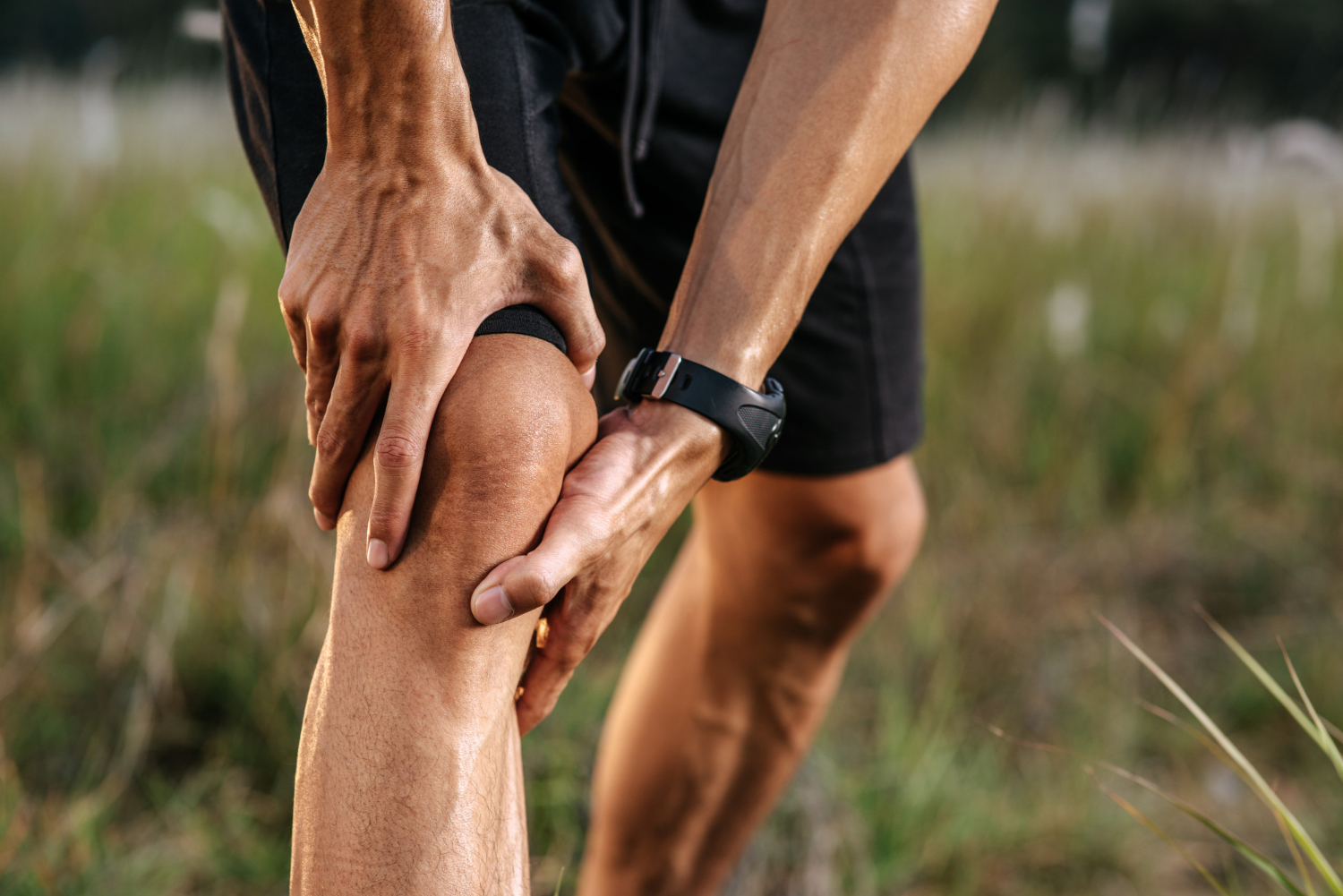
تمزق الغضروف المفصلي هو إصابة شائعة في الركبة تنطوي على إحدى قطعتي الغضروف على شكل هلالين بين عظم الفخذ (عظم الفخذ) وعظم الساق (الظنبوب). يساعد الغضروف المفصلي على توزيع الحمل وامتصاص الصدمات وتحسين ثبات المفصل وحماية أسطح الركبة. يمكن أن يحدث التمزق فجأة أثناء حركة التواء أو يتطور تدريجيًا بسبب التنكس المرتبط بالعمر.
تتراوح دموع الغضروف المفصلي من إصابات صغيرة ومستقرة تتحسن مع المحافظين علاج الدموع التي تسبب ألم مستمر أو تورم أو اصطياد أو قفل وقد يتطلب تقييمًا جراحيًا.
أحد الأسئلة الأكثر شيوعًا هو: هل تلتئم دموع الغضروف المفصلي من تلقاء نفسها؟ تعتمد الإجابة بشكل كبير على الموقع والحجم والنمط وإمدادات الدم وعمر المسيل للدموع وما إذا كانت مؤلمة أو تنكسية. بعض الدموع لديها قدرة أفضل على الشفاء من غيرها.
تشرح هذه المقالة أنواع تمزق الغضروف المفصلي والأعراض والأسباب والتشخيص وخيارات العلاج ووقت الشفاء وإعادة التأهيل وتمارين اليوجا المناسبة مع الحفاظ على التوصيات قائمة على الأدلة.
قصص ذات صلة
 10 أفضل 28 يومًا من اليوغا للكبار السن مع محدودية الحركة
 أفضل 10 يوغا على الحائط يجب أن تجربها
هام: لا ينبغي اعتبار اليوجا علاجًا يصلح الغضروف الممزق. عند استخدامها بشكل مناسب ، قد تكمل اليوجا اللطيفة برنامج إعادة التأهيل من خلال العمل على التنقل والقوة والتوازن والوعي بالجسم. يجب تعديله وفقًا لنصائح الإصابة وإعادة التأهيل المهني.
ما هو الغضروف المفصلي؟
تحتوي الركبة على اثنين من الغضروف:
- الغضروف المفصلي - تقع على الجانب الداخلي من الركبة.
- الغضروف المفصلي - تقع على الجانب الخارجي.
إنها تتصرف إلى حد ما مثل الوسائد بين عظم الفخذ والساق.
مساعدة Menisci في:

- امتصاص الصدمات
- توزيع الحمل
- ثبات الركبة
- تزييت المفاصل
- التحكم في الحركة
- حماية الغضروف المفصلي
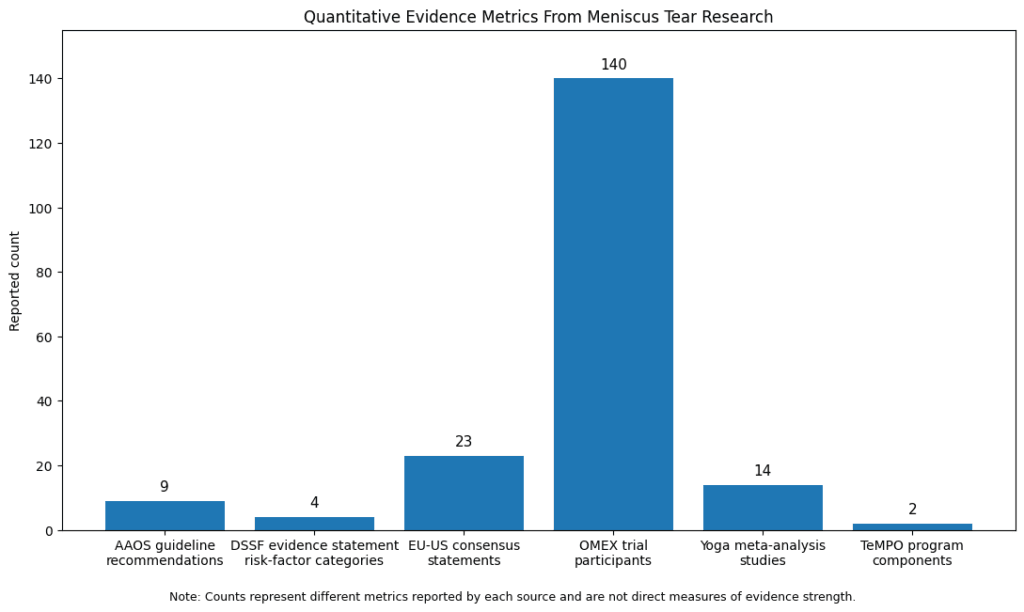
نظرًا لأنهم يؤدون وظائف ميكانيكية مهمة ، فإن الحفاظ على أكبر قدر ممكن من الأنسجة الغضروفية الصحية هو هدف مهم بشكل عام عند النظر في العلاج. تؤكد الأكاديمية الأمريكية لجراحي العظام (AAOs) على الحفاظ على أنسجة الغضروف المفصلي السليمة عندما يكون ذلك ممكنًا.(1)
ما الذي يسبب دموع الغضروف المفصلي؟
يمكن أن تمزق الغضروف المفصلي إما إصابة مفاجئة أو تنكس تدريجي.
الإصابات الرياضية.
يمكن أن يؤدي التغيير المفاجئ في الاتجاه أثناء زرع القدم إلى وضع قوة التواء كبيرة من خلال الركبة.
تشمل الأنشطة الشائعة المرتبطة بإصابات الغضروف المفصلي ما يلي:
- كرة القدم
- كرة السلة
- كرة التنس
- كرة القدم
- تزلج
- مصارعة
- رياضات محورية أخرى
الحركات اليومية.
يمكن أن يحدث التمزق أيضًا أثناء أنشطة مثل:
- ركوع
- ركوع
- النهوض من كرسي منخفض
- التواء
- رفع أثناء الدوران
- يخطو بشكل محرج
التنكس المرتبط بالعمر.
مع تقدم الناس في السن ، يمكن أن يصبح نسيج الغضروف المفصلي أقل مرونة.
قد يتطور التمزق التنكسي دون إصابة واحدة لا تنسى.
تميز الأبحاث والإرشادات السريرية بين الآفات التنكسية والدموع المؤلمة لأن علاجها وتشخيصها يمكن أن يختلف.(2)
أنواع دموع الغضروف المفصلي.
لا يوجد نوع واحد فقط من تمزق الغضروف المفصلي. يصنف الأطباء الدموع حسب شكلها وموقعها وخصائصها.
تشمل الأنماط الشائعة:
1. تمزق طولي.
يمتد الدمع على طول الغضروف المفصلي.
قد تكون بعض الدموع الطولية مناسبة للإصلاح اعتمادًا على موقعها وإمدادات الدم.
2. تمزق أفقي.
يمتد المسيل للدموع أفقيًا عبر نسيج الغضروف المفصلي.
غالبًا ما ترتبط هذه الدموع بتغيرات تنكسية ، على الرغم من أنها يمكن أن تحدث في ظروف أخرى.
3. تمزق شعاعي.
تمزق شعاعي يمتد من الحافة الداخلية نحو الجزء الخارجي من الغضروف المفصلي.
يمكن أن يعتمد تأثيره بشكل كبير على موقعه وعمقه.
4. تمزق مقبض الجرافة.
تمزق مقبض الجرافة هو تمزق طولي مزاح.
يمكن أن يتحرك جزء من الغضروف المفصلي نحو مركز الركبة.
قد يتسبب هذا في بعض الأحيان في قفل الركبة أو عدم القدرة على تقويم الركبة بالكامل ، مما يجعل تقييم العظام الفوري مهمًا.
5. تمزق رفرف.
يصبح جزء من الغضروف المفصلي منفصلاً جزئيًا ويمكن أن يتحرك أثناء حركة الركبة.
قد ينتج عن ذلك ألم النقر أو الالتقاط أو الألم المتقطع.
6. تمزق معقد.
التمزق المركب يحتوي على أكثر من نمط دمعة.
يمكن أن تطور الغضروف المفصلي التنكسي أنماطًا معقدة بمرور الوقت.
7 تمزق الجذر.
يحدث تمزق جذر الغضروف المفصلي بالقرب من ربط الغضروف المفصلي بالظنبوب.
يمكن أن تؤثر إصابات الجذر بشكل كبير على قدرة الغضروف المفصلي على توزيع الحمل وبالتالي تستحق تقييمًا دقيقًا.
أعراض تمزق الغضروف المفصلي.
تختلف الأعراض بشكل كبير.
بعض الناس لديهم تمزق صغير نسبيا مع أعراض بسيطة، بينما البعض الآخر تعاني من ألم شديد والقيود الوظيفية.
تشمل الأعراض الشائعة ما يلي:
- آلام الركبة
- تضخم
- تصلب
- نقرة على الصوا
- آسر
- إحساس بعدم الاستقرار
- صعوبة ثني الركبة أو فردها
- ألم أثناء الالتواء
- ألم أثناء القرفصاء
- صعوبة صعود الدرج
يلاحظ AAOS أن الألم والتورم والحركة المحدودة والأعراض الميكانيكية يمكن أن تحدث مع إصابات الغضروف المفصلي.
هل يمكن أن يتسبب تمزق الغضروف المفصلي في قفل الركبة؟
نعم.
يمكن أن تتداخل التمزق النازح ، وخاصة تمزق مقبض الجرافة ، ميكانيكيًا مع حركة الركبة.
تختلف الركبة التي تصبح مقفلة ولا يمكن فردها تمامًا عن مجرد الشعور بالألم أو التصلب.
إذا أصبحت ركبتك مقفلة فجأة ، خاصة بعد الإصابة ، فاطلب التقييم الطبي بدلاً من محاولة إجبارها على التوالي.
هل تلتئم دموع الغضروف المفصلي؟
هذا هو أحد أهم الأسئلة.
يمكن للبعض أن يشفي ، والبعض الآخر محدود إمكانية الشفاء.
الجزء الخارجي من الغضروف المفصلي لديه إمدادات دم أفضل من الجزء الداخلي. قد يكون التمزق الموجود في منطقة وعائية لديه قدرة أكبر على الشفاء من التمزق في منطقة ذات إمدادات دم ضعيفة.
ومع ذلك ، فإن الموقع ليس العامل الوحيد.
يمكن أن يعتمد الشفاء أيضًا على:
- نمط الدموع
- حجم الدموع
- ثبات
- هرم
- صحة الركبة بشكل عام
- الإصابات المرتبطة
- مستوى النشاط
- معالجة
- سواء كانت الدموع مؤلمة أو تنكسية
لذلك ، لا يمكن التنبؤ بالشفاء بمجرد معرفة أن شخصًا ما لديه “تمزق في الغضروف المفصلي”.”
هل تلتئم دموع الغضروف المفصلي من تلقاء نفسها؟
يمكن أن تتحسن بعض الدموع المصحوبة بأعراض بدون جراحة.
قد تشمل الإدارة المحافظة ما يلي:
- تعديل النشاط
- العلاج الطبيعي
- تقوية تدريجية
- عمل التنقل
- إدارة الألم
- العودة التدريجية إلى النشاط
تشير توصيات الإجماع الدولي الحالية إلى أن العلاج غير الجراحي ، بما في ذلك العلاج الطبيعي ، هو نهج الخط الأول لآفات الغضروف المفصلي التنكسية وقد يكون مناسبًا أيضًا لبعض الدموع الحادة.(3)
ومع ذلك ، فإن “الشفاء” و “الشعور بتحسن” ليسا بالضرورة نفس الشيء.
يمكن أن يصبح الشخص أقل إيلامًا ويستعيد وظيفته حتى لو ظل الشذوذ مرئيًا في التصوير.
كم من الوقت تستغرق دموع الغضروف المفصلي للشفاء؟
لا يوجد وقت شفاء واحد لكل دمعة غضروفية.
يعتمد التعافي على نوع الإصابة والعلاج.
قد تتحسن الإصابة الخفيفة التي تتم معالجتها بشكل متحفظ على مدار عدة أسابيع ، في حين أن التمزق الكبير أو الإصلاح الجراحي قد يتطلب عدة أشهر من إعادة التأهيل المنظم.
بعد إصلاح الغضروف المفصلي ، يكون التعافي بشكل عام أطول من بعد برنامج إعادة تأهيل مباشر لتمزق تنكسي مستقر لأن الأنسجة التي تم إصلاحها تحتاج إلى الحماية أثناء الشفاء.
يجب أن يحدد أخصائي العظام والعلاج الطبيعي التقدم المناسب.
تجنب اختيار تاريخ العودة إلى الرياضة بناءً على جدول زمني عبر الإنترنت.
كيف يتم تشخيص دموع الغضروف المفصلي؟
يبدأ أخصائي الرعاية الصحية عادةً بتاريخك وفحصك البدني.
يمكنهم تقييم:
- حيث يحدث الألم
- كيف حدثت الاصابة
- نطاق حركة الركبة
- تضخم
- حنان الخط المشترك
- ثبات
- الأعراض الميكانيكية
يمكن استخدام الاختبارات السريرية مثل اختبارات McMurray و Thessaly ، على الرغم من عدم وجود اختبار واحد مثالي. يلاحظ AAOS أنه غالبًا ما يتم تفسير الاختبارات السريرية معًا بشكل أفضل بدلاً من العزلة.
التصوير بالرنين المغناطيسي.
يستخدم التصوير بالرنين المغناطيسي بشكل شائع عندما يكون التصوير مطلوبًا لأنه يمكنه تصور الأنسجة الرخوة مثل الغضروف المفصلي.
يصف AAOS التصوير بالرنين المغناطيسي بأنه دقيق للغاية لتشخيص تمزق الغضروف المفصلي.
ومع ذلك ، يجب دائمًا تفسير اكتشاف التصوير بالرنين المغناطيسي جنبًا إلى جنب مع الأعراض ونتائج الفحص.
يمكن أن تحدث تشوهات الغضروف المفصلي حتى في الأشخاص الذين لا يعانون من أعراض كبيرة.
علاج دموع الغضروف المفصلي.
يعتمد العلاج على الإصابة الفردية.
علاج محافظ.
للدموع المناسبة ، قد تشمل الرعاية المحافظة ما يلي:
- الراحة النسبية
- تعديل النشاط المؤقت
- العلاج الطبيعي
- تقوية
- تمارين حركية
- العودة التدريجية إلى النشاط
الهدف ليس مجرد “الراحة حتى تشعر بتحسن”.”
تهدف إعادة التأهيل عادة إلى استعادة:
- حركة الركبة
- قوة العضلة الساق
- قوة أوتار الركبة
- قوة الورك
- ميزان
- السيطرة العصبية
- القدرة الوظيفية
يحدد الإجماع الدولي الأخير العلاج الطبيعي وإعادة التأهيل كمكونات مهمة للإدارة غير الجراحية.
الجراحة.
يمكن النظر في الجراحة في حالات مختارة.
تشمل الإجراءات الممكنة ما يلي:
- إصلاح الغضروف المفصلي
- استئصال جزئي
- إعادة بناء الغضروف المفصلي في ظروف مختارة
الاختيار يعتمد على الدموع والفرد.
عندما يكون الإصلاح ممكنًا ، يكون الحفاظ على الغضروف المفصلي أمرًا مرغوبًا بشكل عام لأن إزالة أنسجة الغضروف المفصلي يمكن أن تؤثر على الميكانيكا الحيوية طويلة المدى للركبة.
هل كل دموع الغضروف المفصلي تحتاج إلى جراحة؟
لا .
هذا مهم بشكل خاص للدموع التنكسية للغشاء.
تشير الدلائل إلى أن العلاج القائم على التمارين يمكن أن يكون مفيدًا للغاية للعديد من كبار السن في منتصف العمر وكبار السن المصابين بآفات الغضروف المفصلي التنكسية. وجد بيان دليل منهجية دليلًا معتدلًا على أن التمرين يمكن تحسين الألم وتعمل إلى حد مماثل للجراحة في تمزق الغضروف المفصلي.
لم تجد الأبحاث طويلة المدى أيضًا أي اختلاف ذي مغزى سريريًا في العديد من النتائج التي أبلغ عنها المريض بين استئصال الغضروف المفصلي الجزئي وعلاج التمارين الرياضية لدى الأشخاص الذين يعانون من دموع تنكسية.(4)
ومع ذلك ، لا ينبغي تعميم هذه النتائج على كل نوع من أنواع تمزق الغضروف المفصلي.
الرياضي الشاب المصاب بدموع نازحة حادة هي حالة سريرية مختلفة عن البالغين الأكبر سنًا مع تمزق تنكسي.
إعادة تأهيل المسيل للدموع.
يجب أن تكون إعادة التأهيل فردية.
قد يتقدم برنامج إعادة التأهيل النموذجي عبر عدة مراحل.
المرحلة 1: تقليل التهيج.
الهدف الأولي هو السيطرة على الأعراض وتجنب الأنشطة التي تؤدي إلى تفاقم الركبة.
المرحلة الثانية: استعادة الحركة.
يمكن تقديم تمارين لطيفة لمدى الحركة وفقًا للإصابة.
المرحلة 3: بناء القوة.
قد تستهدف التمارين:
- عضلات الفخذ
- أوتار المأبض
- عضلات المزاد
- عجل
- مثبتات الورك
المرحلة 4: تحسين التوازن.
يمكن أن تساعد تمارين التوازن والعصبية العضلية في استعادة الثقة والسيطرة.
المرحلة الخامسة: التدريب الوظيفي.
تصبح التمارين بشكل تدريجي أكثر تشابهًا مع الأنشطة اليومية أو الرياضة.
المرحلة السادسة: العودة إلى النشاط.
يجب استئناف الرياضة أو النشاط المتطلب وفقًا للمعالم الوظيفية بدلاً من مجرد مرور عدد معين من الأسابيع.
يوصي إجماع 2024 من الاتحاد الأوروبي والولايات المتحدة بإعادة تأهيل الغضروف المفصلي على وجه التحديد بالتقدم القائم على المعيار للعودة إلى الرياضة.
هل يمكن لليوجا أن تساعد في دموع الغضروف المفصلي؟
يمكن دمج اليوجا في إعادة التأهيل عند تعديلها بشكل مناسب ، ولكن لا ينبغي اعتبارها طريقة لإصلاح الغضروف الممزق مباشرة.
قد تساعد اليوجا في العمل على:
- تناسق
- ميزان
- الوعي بالجسم
- قوة لطيفة
- قابلية الحركة
- تسلية
البحث عن اليوجا خصيصًا لدموع الغضروف المفصلي محدود.
هناك المزيد من الأبحاث حول اليوجا لالتهاب مفاصل الركبة ، وهي ليست نفس الحالة.
وجدت مراجعة منهجية وتحليل تلوي لعام 2026 لـ 14 دراسة شملت 1183 شخصًا مصابًا بالتهاب مفاصل الركبة دليلًا منخفضًا على أن اليوجا تحسن الألم والوظيفة البدنية ، مع ملاحظة القيود في الأدلة.(5)
لذلك ، يمكن اعتبار اليوجا مساعدًا لإعادة التأهيل ، بدلاً من بديل للعلاج المناسب للغضروف المفصلي.
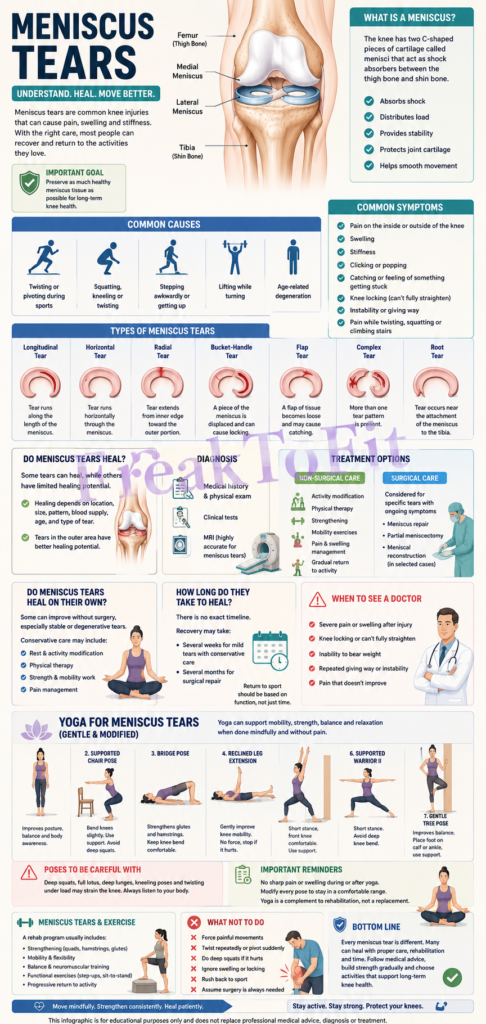
اليوغا اللطيفة لدموع الغضروف المفصلي.
قد تكون الحركات التالية مناسبة لبعض الأشخاص أثناء التعافي ، ولكن يجب أن تكون فردية.
لا تقم بإجراءها أثناء الإصابة الحادة لمجرد أنها تبدو لطيفة. يجب أن يحدد أخصائي العلاج الطبيعي أو أخصائي العظام ما إذا كان مناسبًا لدموعك المحددة.
1. وضع الجبل.
قف بشكل مريح مع دعم قدميك.
حافظ على ركبتيك ناعمة بدلاً من قفلها بقوة.
استرخِ كتفيك.
خذ عدة أنفاس بطيئة.
لماذا تستخدمه: يمكن أن يشجع الوضع المستقيم والتوازن والوعي بالجسم دون الحاجة إلى ثني عميق في الركبة.
2. وضع كرسي مدعوم.
قف بالقرب من الحائط أو الكرسي القوي.
بدلًا من أداء تمرين القرفصاء العميق ، اثن ركبتيك قليلاً.
حافظ على وزنك موزعًا بالتساوي.
امسك لفترة وجيزة وعد إلى الوقوف.
هام: تجنب ثني الركبة العميق إذا كان يزيد الألم أو الأعراض الميكانيكية.
3. وضع الجسر.
استلق على ظهرك مع ثني ركبتيك فقط بزاوية مريحة.
اضغط برفق من خلال قدميك وارفع الوركين.
خفض ببطء.
يمكن أن تقوي وضعية الجسر الألوية والسلسلة الخلفية مع الحفاظ على التحكم في الحركة.
ومع ذلك ، يجب أن يظل وضع الركبة مريحًا.
4. تمديد الساق المتكئ.
استلقِ بشكل مريح على ظهرك.
حافظ على ثني ركبة واحدة وتقويم الساق الأخرى ببطء كما هو مسموح به.
إعادته إلى وضع البداية.
هذا هو أكثر من تمرين تنقل أكثر من كونه تقليديًا وضعية اليوجا.
لا تجبر الركبة على نطاق مؤلم.
5. المحارب المدعوم أنا.
استخدم وقفة أقصر مما تستخدمه عادة.
حافظ على راحة الركبة الأمامية وتجنب إجبارها على الانثناء العميق.
استخدم جدارًا أو كرسيًا لتحقيق التوازن إذا لزم الأمر.
6. المحارب المدعوم الثاني.
مرة أخرى ، استخدم وقفة أقصر وانحناء ركبة معتدل.
لا تجبر الركبة الأمامية على وضع عميق.
إذا كان ال تشكل آلام خط المفاصل, النقر مع الألم أو التورم ، توقف.
7 وضع شجرة لطيفة.
قف بجانب الحائط.
ضع القدم غير الحاملة للوزن على الساق الداخلية أو الكاحل بدلاً من إجبارها على رفع الفخذ.
امسك الجدار إذا لزم الأمر.
يمكن أن يعمل هذا بشكل متوازن دون الحاجة إلى حركة كبيرة في الركبة.
اليوجا تطرح الحذر.
بعض التقليدية يطرح اليوجا ضع مطالب كبيرة على ثني الركبة أو الدوران.
اعتمادًا على التمزق ، قد تحتاج إلى تعديل أو تجنب مؤقتًا:
- مواقف القرفصاء العميقة
- لوتس كامل
- نصف لوتس
- وقفة البطل
- اندفاع عميق
- اختلافات المحارب العميقة
- يطرح ركع
- تحريف أوضاع تحت الحمل
المشكلة ليست أن هذه الأوضاع “سيئة”.”
المشكلة هي ما إذا كانوا يضعون ضغطًا مفرطًا على ركبتك المصابة.
هل يمكن لليوجا أن تجعل تمزق الغضروف المفصلي أسوأ؟
يمكن أن تكون إذا كانت الممارسة تنطوي على التحميل المفرط أو الانثناء العميق أو الالتواء أو الحركة التي تتجاوز قدرتك الحالية على إعادة التأهيل.
الألم هو إشارة مهمة.
إذا كان الوضع هو السبب:
- آلام حادة
- تورم جديد
- آسر
- أقفال
- عدم ثبات
- زيادة الأعراض بعد التمرين
أوقف الحركة وناقشها مع أخصائي الرعاية الصحية الخاص بك.
لا تفترض أن الانزعاج يعني أن التمرين هو “شفاء الإصابة”.”
تمارين الدموع المفصلية إلى جانب اليوجا.
غالبًا ما يتضمن برنامج إعادة التأهيل تقوية تدريجية.
يمكن أن تشمل الأمثلة:
- يرفع الساق المستقيمة
- الجسور
- تمارين الجلوس على الوقوف
- تزايد
- يرفع ربلة الساق
- تقوية أوتار الركبة
- تقوية عضلات الفخذ
- تمارين الورك
- تمارين التوازن
يجب أن يعتمد اختيار التمرين الدقيق على مرحلة التعافي.
يتضمن نهج إعادة التأهيل المعياري للدموع التنكسية للغشاء المفصلي وهشاشة العظام في الركبة تقوية وتمدد وتدريب وظيفي وتمارين عصبية عضلية.(6)
هل يمكنك المشي مع تمزق الغضروف المفصلي؟
يمكن لبعض الأشخاص المشي مع تمزق الغضروف المفصلي ، بينما يعاني البعض الآخر من ألم شديد أو أعراض ميكانيكية.
القدرة على المشي لا تخبرك مدى خطورة التمزق.
إذا كان المشي مريحًا ونصح أخصائي الرعاية الصحية بالنشاط ، فقد يكون المشي التدريجي مناسبًا.
إذا كان كل الخطوة تسبب ألمًا كبيرًا, أو التورم أو عدم الاستقرار ، لا تجبر نفسك على المشي لمسافات طويلة لمجرد “تقوية” الركبة.
هل يمكنك ممارسة التمارين مع تمزق الغضروف المفصلي؟
في كثير من الأحيان ، نعم - لكن التمرين يجب أن يكون مناسبًا للإصابة.
كثيرا ما تستخدم النشاط منخفض التأثير وإعادة التأهيل المنظم أثناء الشفاء.
لكن تمارين تشمل:
- هائج
- يتغير الاتجاه المفاجئ
- القرفصاء العميق
- وثوب
- هبوط عالي التأثير
قد تحتاج إلى تقييد مؤقتًا حسب التمزق.
الهدف هو التحميل التدريجي ، وليس الخمول الكامل.
متى يجب أن ترى الطبيب؟
اطلب التقييم الطبي إذا كان لديك:
- تورم كبير في الركبة بعد الإصابة
- ألم شديد أو متفاقم
- عدم القدرة على تحمل الوزن
- ركبة تقفل
- عدم القدرة على فرد الركبة بشكل كامل
- حلقات العطاء المتكررة
- عدم استقرار كبير
- الأعراض المستمرة على الرغم من الرعاية المحافظة
الركبة التي تغلق فجأة بعد الإصابة تستحق اهتمامًا خاصًا لأن جزء الغضروف المفصلي قد يتداخل مع الحركة.
هل يمكن أن يؤدي تمزق الغضروف المفصلي إلى التهاب المفاصل؟
ترتبط إصابات الغضروف المفصلي بزيادة خطر الإصابة بالتهاب مفاصل الركبة في المستقبل ، على الرغم من أن العلاقة تتأثر بالعديد من العوامل.
يساعد الغضروف المفصلي على توزيع القوى عبر الركبة ، بحيث يمكن أن يؤدي فقدان أنسجة الغضروف المفصلي إلى تغيير ميكانيكا المفاصل.
هذا واحد سبب الحفاظ على الصحة أنسجة الغضروف المفصلي هي هدف علاجي مهم.
ومع ذلك ، فإن وجود تمزق في الغضروف المفصلي يفعل ليس يعني أن التهاب المفاصل أمر لا مفر منه.
يمكن أن تكون إعادة التأهيل المناسبة ، وإدارة العوامل المساهمة ، وتدريب القوة ، والحفاظ على النشاط البدني ، والرعاية الطبية المناسبة جزءًا مهمًا من صحة الركبة على المدى الطويل.
دموع الغضروف المفصلي: ما لا تفعله.
أثناء التعافي ، تجنب افتراض أن المزيد من التمارين الرياضية هي الأفضل دائمًا.
لا:
- قوة حركات الركبة المؤلمة
- تحريف الركبة بشكل متكرر
- أداء القرفصاء العميقة رغم الأعراض
- تجاهل التورم المتكرر
- استمر من خلال الألم الحاد
- الاندفاع إلى الرياضة
- افترض أن كل تمزق يتطلب جراحة
- افترض أن كل دمعة ستشفى بدون علاج
- استخدم اليوجا كبديل لإعادة التأهيل
الأسئلة المتداولة.
1. هل تلتئم دموع الغضروف المفصلي من تلقاء نفسها؟
يمكن أن يتحسن البعض بدون جراحة ، وخاصة بعض الدموع المستقرة أو التنكسية. تعتمد إمكانات الشفاء على موقع المسيل للدموع ونمطها وإمدادات الدم وعوامل أخرى.
2 . كم من الوقت تستغرق دموع الغضروف المفصلي للشفاء؟
لا يوجد جدول زمني عالمي. يمكن أن يتراوح التعافي من عدة أسابيع لبعض الإصابات التي تتم إدارتها بشكل متحفظ لعدة أشهر بسبب التمزقات التي تم إصلاحها جراحيًا.
3. ما هي الأنواع الرئيسية من دموع الغضروف المفصلي؟
تشمل الأنماط الشائعة تمزقات الجذر الطولية والأفقية والشعاعية والمقبض الدلو والرفرف والمعقد والجذر.
4. هل يمكنك المشي مع تمزق الغضروف المفصلي؟
يمكن لبعض الأشخاص المشي بشكل طبيعي أو مع الانزعاج الخفيف ، بينما لا يستطيع الآخرون ذلك. القدرة على المشي وحدها لا تحدد شدة الدموع.
5. هل تمزق الغضروف المفصلي يتطلب جراحة دائمًا؟
لا يمكن في البداية إدارة العديد من تمزقات الهلالة التنكسية من خلال إعادة التأهيل القائم على التمارين والنهج المحافظة الأخرى.
6. هل يمكن لليوجا أن تعالج تمزق الغضروف المفصلي؟
لا توجد أدلة كافية للقول إن اليوجا تصلح الغضروف الممزق. قد تكمل اليوجا اللطيفة المعدلة إعادة التأهيل من خلال العمل على التنقل والتوازن والقوة والاسترخاء.
7 ما هي اليوجا الأفضل لدموع الغضروف المفصلي؟
لا يوجد أسلوب واحد أفضل على مستوى العالم. قد تكون الحركات اللطيفة والمعدلة مثل وضعية الجبل ، ووضع الشجرة المدعومة ، ووضع الجسر اللطيف ، ووضعية الوقوف المعدلة بعناية مناسبة لبعض الأشخاص. يجب اختيارهم حسب مرحلة الإصابة وإعادة التأهيل.
8. هل يجب أن أقوم بقرفصاء عميقة مع تمزق الغضروف المفصلي؟
ليس تلقائيًا. قد يؤدي انثناء الركبة العميق إلى تفاقم الأعراض لدى بعض الأشخاص. اتبع القيود التي يفرضها أخصائي العظام أو أخصائي العلاج الطبيعي.
9. هل يمكن أن تزداد دموع الغضروف المفصلي سوءًا؟
نعم. يمكن أن تصبح بعض الدموع أكثر أعراضًا أو غير مستقرة ، خاصة مع الحركات المتكررة. يجب تقييم الألم المستمر أو التورم أو القفل أو عدم الاستقرار.
10. هل العلاج الطبيعي فعال لدموع الغضروف المفصلي؟
تعد إعادة التأهيل القائمة على التمارين خيارًا علاجيًا مهمًا ، خاصةً للآفات التنكسية للغضروف. تشير الدلائل إلى أن التمرين يمكن أن يوفر نتائج مماثلة للجراحة للعديد من كبار السن في منتصف العمر وكبار السن الذين يعانون من تمزقات تنكسية.
الخلاصة.
تمزق الغضروف المفصلي يختلف على نطاق واسع. لا ينبغي التعامل مع تمزق صغير ومستقر ومقبض دلو مزاح أو تمزق جذر الغضروف المفصلي على أنه نفس الحالة.
يعتمد العلاج الأنسب على عوامل مثل العمر ونمط المسيل للدموع والموقع والأعراض ومستوى النشاط وتلف الركبة المصاحب وما إذا كانت الإصابة مؤلمة أو تنكسية.
الأهم من ذلك ، لا تتطلب كل تمزق الغضروف المفصل جراحة. بالنسبة للعديد من الدموع التنكسية ، تعتبر التمارين المنظمة وإعادة التأهيل مناهج مهمة من الخط الأول ، وقد وجدت الأبحاث أن إضافة استئصال الغضروف المفصلي الجزئي إلى التمرين لا يوفر بالضرورة نتائج أفضل على المدى الطويل أبلغ عنها المريض.
قد يكون لليوغا مكان كنشاط تكميلي ، خاصة للحفاظ على الحركة والتوازن والقوة والوعي بالجسم. تشير الأبحاث حول اليوجا لالتهاب المفاصل الركبة إلى حدوث تحسن محتمل في الألم والوظيفة البدنية ، على الرغم من أن اليقين من الأدلة يختلف ولا يمكن تفسير هذا البحث بشكل مباشر على أنه دليل على أن اليوجا تعالج دموع الغضروف المفصلي.
إذا كان لديك تمزق مشتبه به أو مؤكد ، فإن النهج الأكثر أمانًا هو تقييم الركبة وبناء تقدم التمرين حول الإصابة المحددة. تجنب فرض انحناءات عميقة في الركبة أو التواء أو مواضع مؤلمة لمجرد أنها جزء من تسلسل اليوجا التقليدي.
+6 مصادر
لدى VeryWelfit إرشادات صارمة بشأن المصادر وتعتمد على الدراسات التي راجعها الأقران ومعاهد البحوث التعليمية والمنظمات الطبية. نتجنب استخدام المراجع من الدرجة الثالثة. يمكنك معرفة المزيد حول كيفية ضمان دقة المحتوى الخاص بنا وتحديثه من خلال قراءة سياسة التحرير.
- إدارة أمراض الغضروف المفصلي الحادة المعزولة ؛; https://www.orthoinfo.org/globalassets/pdfs/plain-language-summary_meniscus-tears-2024.pdf
- عوامل الخطر والتشخيص والعلاج غير الجراحي لدموع الغضروف المفصلي: الأدلة والتوصيات: ورقة بيان بتكليف من الجمعية الدنماركية للعلاج الطبيعي الرياضي (DSSF) ؛; https://pubmed.ncbi.nlm.nih.gov/29420236/
- إجماع الاتحاد الأوروبي والولايات المتحدة الأمريكية لإعادة تأهيل الغضروف المفصلي لعام 2024: مبادرة Esska-Aossm-Aaspt. الجزء الثاني - الوقاية والعلاج غير الجراحي والعودة إلى الرياضة ؛; https://pubmed.ncbi.nlm.nih.gov/40501314/
- استئصال الغضروف المفصلي الجزئي بالمنظار مقابل العلاج بالتمارين الرياضية للدموع الهلالية التنكسية: متابعة لمدة 10 سنوات لتجربة OMEX العشوائية ذات الشواهد ؛; https://pubmed.ncbi.nlm.nih.gov/39326908/
- آثار اليوجا على الألم والوظيفة البدنية والنتائج الميكانيكية الحيوية / ضعف في هشاشة العظام في الركبة: مراجعة منهجية وتحليل تلوي ثلاثي المستويات ؛; https://pubmed.ncbi.nlm.nih.gov/41761497/
- عملية قائمة على الإجماع تحدد العلاج الطبيعي وعلاجات التمارين للمرضى الذين يعانون من تمزق الغضروف المفصلي والتهاب الركبة: تدخلات العلاج الطبيعي TEMPO وبرنامج التمرين المنزلي ؛; https://pubmed.ncbi.nlm.nih.gov/31684921/