





































 latihan

 meditasi






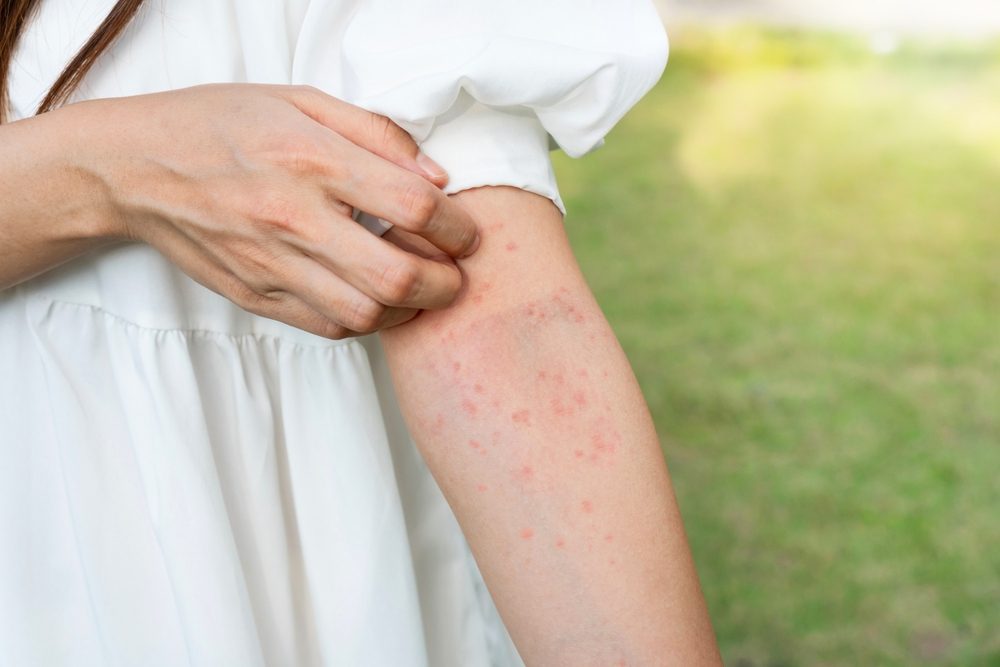
Fake tan has become a popular option for achieving a sun-kissed glow without the risks associated with sun exposure. However, for some individuals, this beauty treatment can result in an allergic reaction that leaves the skin red, itchy, and irritated. If you find yourself experiencing such a reaction, it is important to know how to effectively treat it. In this guide, we will discuss the common symptoms of an allergic reaction to fake tan and provide you with practical tips on how to alleviate the discomfort and promote healing. By following these recommendations, you can ensure a more pleasant experience with fake tan and maintain healthy, radiant skin.
What does an allergic reaction to fake tan look like?
Penyebab reaksi alergi terhadap cokelat palsu.
1 bahan.
Some fake tanning products may contain ingredients that can trigger Reaksi alergi in certain individuals. Common allergens include DHA (dihydroxyacetone), fragrances, preservatives, or other chemicals used in the formulation of the product.
2 Sensitivity to DHA.
DHA is the main ingredient responsible for the tanning effect in most fake tanning products. While it is generally considered safe, some people can develop an allergic reaction or sensitivity to DHA, resulting in redness, itching, or a rash.
3 Fragrance allergies.
Many fake tanning products contain added fragrances to enhance the scent. However, fragrances are a common cause of allergic reactions in some individuals, leading to skin irritation or allergic dermatitis.
Cerita terkait
 Bagaimana cara menggunakan sutra jagung untuk pertumbuhan rambut?
 Keamanan masker kulit kaki selama kehamilan
4 Sensitivity to preservatives.
Preservatives are used in fake tanning products to prevent the growth of bacteria and prolong the product’s shelf life. However, some preservatives, such as formaldehyde or parabens, can cause allergic reactions in certain individuals with sensitive skin.
5 Contact dermatitis.
Fake tanning products are applied topically, and in some cases, the skin may react to the physical contact with the product itself. This can lead to contact dermatitis, characterized by redness, itching, or a rash at the application site.
6 Pre-existing skin conditions.
Individuals with pre-existing skin conditions like eczema, psoriasis, or dermatitis may be more prone to developing an allergic reaction to fake tan due to their compromised skin barrier function.
7 Cross-reactivity.
Allergies to other substances, such as certain foods, medications, or environmental allergens, can sometimes cross-react with the ingredients found in fake tanning products. This can result in an allergic reaction when using these products.
8 Improper use or hygiene.
In some cases, allergic reactions to fake tan can be caused by improper use or poor hygiene. For example, not properly exfoliating the kulit before application or using expired products can increase the risk of skin irritation or allergic reactions.
Common symptoms of an allergic reaction to fake tan.
- Skin redness and irritation.
- Itching and dryness.
- Swelling and hives.
- Rash or bumps on the skin.
- Peeling or flaking of the skin.
- Burning or stinging sensation.
- Watery or itchy eyes.
- Runny or congested nose.
- Sneezing or coughing.
- Difficulty breathing or shortness of breath.
- Nausea or vomiting.
- Dizziness or lightheadedness.
- Headache or migraines.
How to treat allergic reaction to fake tan?
- Remove the fake tan immediately by washing the affected area with mild soap and water.
- Apply a cold compress or ice pack to reduce swelling and soothe the skin.
- Take an over-the-counter antihistamine, such as Benadryl, to alleviate itching and reduce allergic symptoms.
- Avoid scratching or further irritating the skin, as it can worsen the allergic reaction.
- Apply a gentle, fragrance-free moisturizer or aloe vera gel to provide hydration and relieve dryness.
- If the reaction persists or worsens, seek medical attention from a healthcare professional for further evaluation and treatment options.
- Prevent future allergic reactions by patch testing new fake tans on a small area of kulit before applying it all over the body.
How to treat allergic reaction to fake tan home remedies?
- Wash the affected area immediately with mild soap and water to remove any remaining fake tan.
- Apply a cold compress or ice pack wrapped in a clean cloth to the area to reduce inflammation and soothe the skin.
- Take an over-the-counter antihistamine, such as Benadryl, to help alleviate itching and reduce allergic reactions.
- Apply aloe vera gel or a moisturizer containing aloe vera to the affected area to soothe and hydrate the skin.
- Use hydrocortisone cream or calamine lotion to relieve itching and inflammation.
- Take a lukewarm oatmeal bath by adding colloidal oatmeal to your bathwater. This can help calm irritated skin and provide relief.
- Drink plenty of water to stay hydrated and flush out any toxins from your body.
- Avoid further exposure to fake tan or any other potential allergens that may have caused the reaction.
- If the allergic reaction persists or worsens, consult a healthcare professional for further evaluation and treatment.
How to avoid Allergic Reaction to Fake Tan?
Patch test.
Before applying the fake tan all over your body, it’s important to perform a patch test on a small area of your kulit. This will help you determine if you have any allergic reactions to the product before applying it all over your body.
Read the ingredients.
Carefully read the list of ingredients on the fake tan product. Look out for any ingredients that you know you are allergic to, such as certain fragrances or preservatives. Avoid products that contain these allergens.
Choose a reputable brand. Opt for a trusted and reputable brand when purchasing a fake tan. These brands often prioritize the quality and safety of their products, reducing the risk of allergic reactions.
Start with a gradual tan.
If you’re new to fake tanning or have sensitive kulit, start with a gradual tanning product. These products allow you to build up your tan over a few applications, reducing the risk of a sudden allergic reaction.
Perform a skin sensitivity test.
Apply a small amount of the fake tan to a discreet area of your skin, such as the inner arm, and leave it on for 24 hours. If you experience any redness, itching, or irritation during this time, avoid using the product.
Moisturize before application.
Apply a moisturizer to your skin before applying the fake tan. This can create a barrier between the product and your skin, reducing the likelihood of an allergic reaction.
Check expiration dates.
Make sure to check the expiration date of the fake tan product before using it. Expired products may have changed chemical compositions that could increase the risk of an allergic reaction.
Consider natural or organic options.
If you have a history of allergic reactions to beauty products, consider opting for natural or organic fake tans. These products often contain fewer synthetic ingredients, reducing the risk of allergies.
Seek professional advice.
If you have a history of severe allergic reactions or have any concerns about using fake tan, it’s best to consult with a dermatologist or allergist. They can provide personalized advice and recommend suitable products for your specific needs.
To avoid an allergic reaction from fake tan, there are several precautions you can take. Firstly, it is important to patch test the product on a small area of your kulit before applying it all over your body. This will help you identify any potential allergic reactions or irritations.
Additionally, read the ingredient list carefully, and if you have known allergies to certain substances, avoid tanning products that contain them. It is also recommended to choose a fake tan brand that is hypoallergenic or specifically formulated for sensitive skin.
Before applying the product, ensure your skin is clean, exfoliated, and free of any cuts or open wounds. This will minimize the risk of irritation.
Lastly, always follow the instructions provided by the manufacturer and be cautious not to overuse the product, as excessive application can lead to skin irritation and allergies.
pertanyaan yang sering diajukan.
1 How to get rid of fake tan rash?
To get rid of a fake tan rash, you can try applying aloe vera gel or a gentle moisturizer to soothe the affected area. It is also recommended to exfoliate the skin gently to remove any remaining fake tan residue. If the rash persists or worsens, it is advisable to consult a healthcare professional.
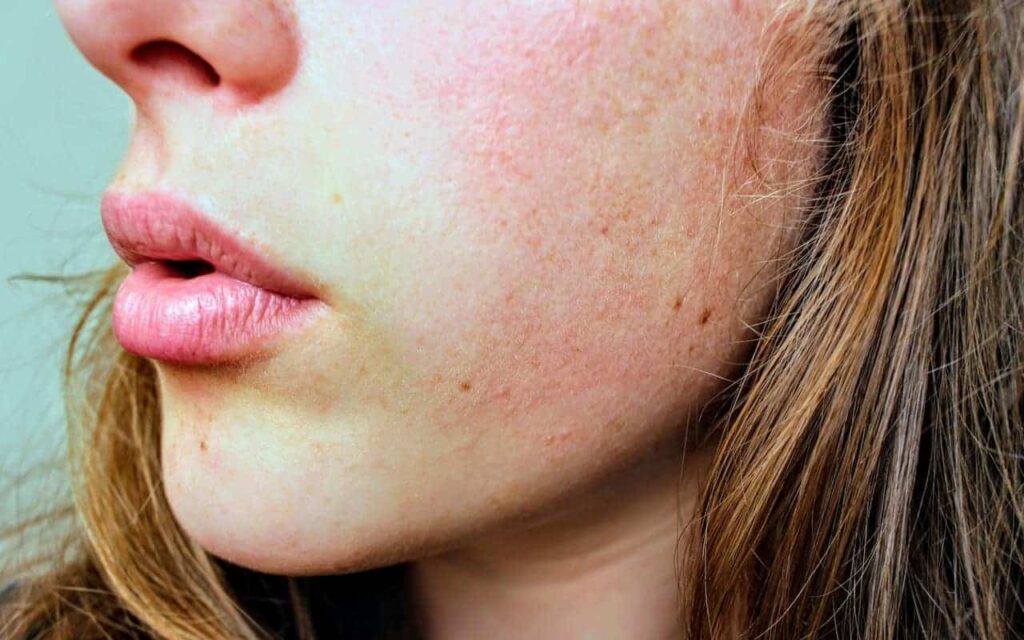
2 How to treat allergic reaction to fake tan on face?
The best way to treat an allergic reaction to fake tan on the face is to immediately wash off the product with mild soap and water, followed by applying a cold compress to reduce inflammation. If symptoms persist or worsen, it is recommended to seek medical advice.
garis bawah.
Dealing with an allergic reaction to fake tan can be a distressing experience, but there are several effective treatment options available. It is crucial to identify the symptoms and seek professional medical advice promptly. Taking necessary precautions, such as patch testing before application, using natural or hypoallergenic products, and practicing good skincare routines, can help prevent allergic reactions in the future. Remember, everyone’s skin is unique, so it is essential to listen to your body and adjust your beauty routine accordingly. By following these guidelines, individuals can enjoy a beautiful sun-kissed glow without compromising their skin’s health or comfort.