




































 latihan

 meditasi






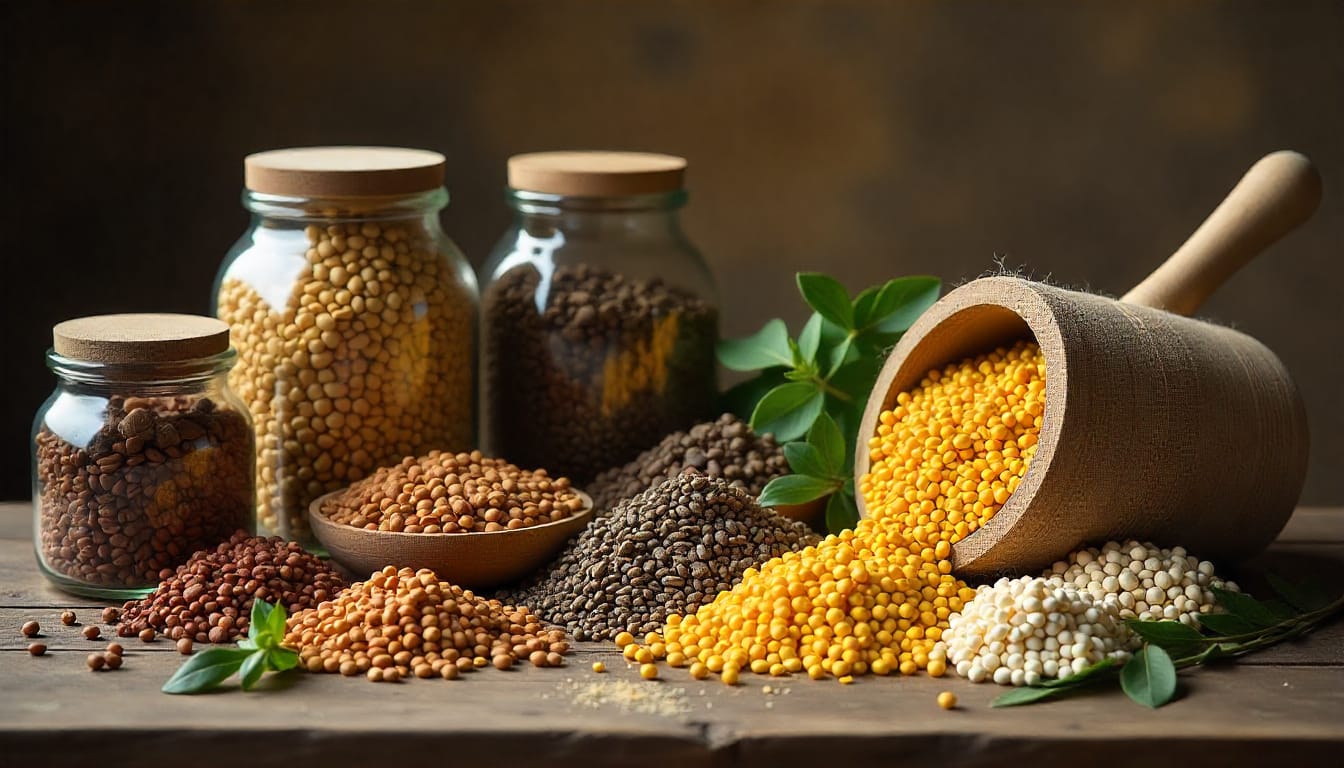
Nutrisi kuno dapat didefinisikan sebagai jenis makanan yang dikonsumsi oleh orang-orang beradab kuno jauh sebelum munculnya makanan olahan modern. Ini adalah pola makan alami, geografis, musiman, dan lebih bijaksana, berputar di sekitar makanan olahan minimal yang utuh, yang membuat tubuh bergizi dan kesehatan jangka panjang.
Menelusuri kembali ke makanan pemburu-pengumpul di Paleolitik, dan makanan berbasis biji-bijian di India kuno, Mesir, Yunani, Cina, dan Mesoamerika, kuno Nutrisi membentuk dasar kelangsungan hidup manusia, kekuatan, perlawanan, dan kesejahteraan.
Dengan tren makanan ultra-olahan saat ini, adalah mungkin untuk mengevaluasi kembali kebijaksanaan nutrisi kuno dan menemukan beberapa saran kuat tentang kesehatan usus, metabolisme, pencegahan penyakit dan makan sehat.

Filosofi inti nutrisi kuno.
Meskipun ada perbedaan budaya, diet kuno memiliki beberapa prinsip universal:
Cerita terkait
 8 Makanan Super Vegetarian dan Non Vegetarian untuk Tulang dan Sendi yang Kuat
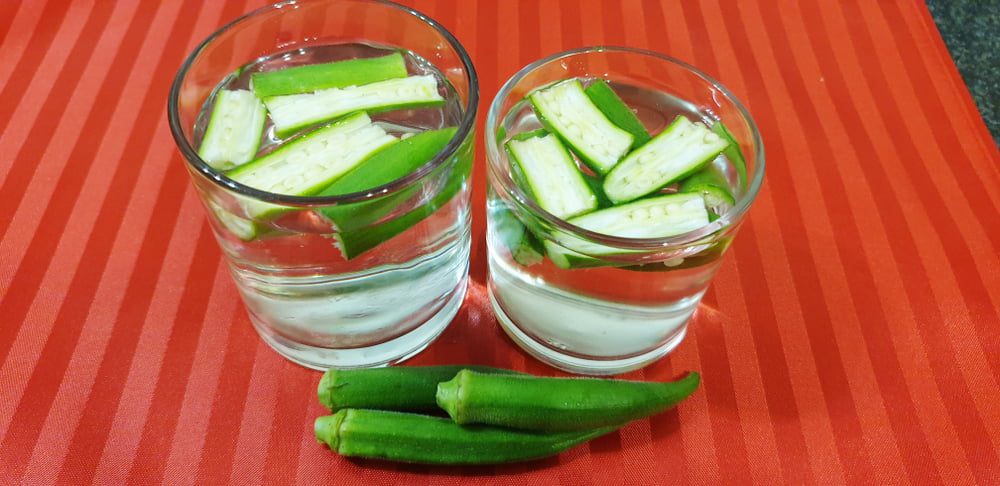
 Manfaat dan Efek Samping Air Okra yang Tidak Anda Ketahui
1 makanan alami utuh.
Orang kuno mengkonsumsi makanan dalam keadaan alami mereka, tanpa pengawet kimia, rasa buatan, atau gula rafinasi.
Contoh:
- buah dan sayuran segar.
- biji-bijian utuh.
- kacang-kacangan dan biji-bijian.
- Ikan dan permainan liar yang ditangkap.
- makanan fermentasi secara alami.
2 Makan musiman dan lokal.
Makanan dimakan sesuai musim, yang membantu menjaga keseimbangan hormonal dan keragaman nutrisi.
- Musim panas: buah-buahan, makanan pendingin.
- Musim dingin: akar, biji-bijian, lemak.
- Monsoon/Spring: Makanan yang difermentasi dan meningkatkan kekebalan tubuh.
3 makronutrien seimbang.
Diet kuno secara alami seimbang:
- karbohidrat (dari biji-bijian utuh, buah-buahan, umbi-umbian).
- protein (dari kacang polong, daging, ikan, susu).
- Lemak sehat (dari kacang-kacangan, biji-bijian, ghee, minyak zaitun).
Nutrisi kuno di seluruh peradaban besar.
1 Diet Paleolitik (Pemburu-Pengumpul).
Jangka waktu: ~2,5 juta hingga 10.000 tahun yang lalu
Makanan utama:
- daging liar.
- ikan.
- buah-buahan.
- sayuran.
- Kacang.
- benih.
Kekuatan nutrisi:
- asupan protein tinggi.
- Lemak kaya omega-3.
- beban glikemik rendah.
- Tidak ada karbohidrat olahan atau gula.
Dampak kesehatan:
- Tulang yang kuat.
- kurus massa otot.
- rendahnya insiden penyakit gaya hidup.
Diet paleo modern terinspirasi oleh pola nutrisi kuno ini.

2 Nutrisi India kuno (Ayurveda).
Filosofi Inti: keseimbangan tiga dosha — vata, pitta, kapha.
Makanan pokok:
- Beras, millet, jelai.
- lentil (dal).
- Ghe.
- sayuran musiman.
- Rempah-rempah seperti kunyit, jinten, jahe.
Fitur unik:
- makanan sebagai obat.
- Penekanan pada pencernaan (AGNI).
- Nutrisi yang dipersonalisasi berdasarkan tipe tubuh.
Manfaat kesehatan:
- pencernaan yang lebih baik.
- kekebalan yang kuat.
- kejelasan mental.
- umur panjang.
3 Diet Mesir kuno.
Staples:
- Gandum Emmer.
- jelai.
- Roti.
- Bir (minuman biji-bijian yang difermentasi).
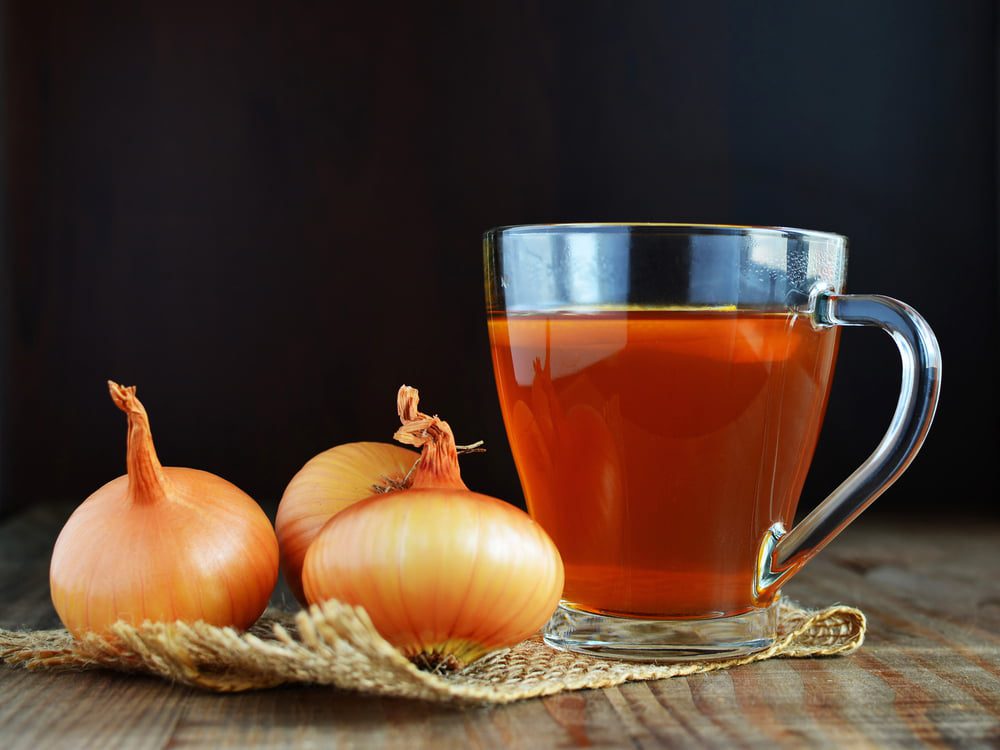
- Bawang merah, bawang putih, kurma, ara.
Sorotan Nutrisi:
- Asupan serat tinggi.
- makanan fermentasi.
- pola makan dominan tumbuhan.
Wawasan kesehatan:
Orang Mesir kuno dihargai kesehatan usus dan energi, sangat bergantung pada nutrisi fermentasi dan berbasis biji-bijian.
4 Nutrisi Yunani dan Romawi kuno.
Makanan utama:
- minyak zaitun.
- biji-bijian utuh.
- kacang-kacangan.
- sayuran.
- ikan.
- Anggur (dalam jumlah sedang).
Filsafat:
- moderasi (sophrosyne).
- Makanan yang berhubungan dengan kebugaran fisik dan kecerdasan.
Manfaat:
- kesehatan kardiovaskular.
- anti - Diet inflamasi.
- nutrisi otak.
5 Nutrisi Cina kuno.
Yayasan:
- Keseimbangan Yin dan Yang.
- Teori lima elemen.
Makanan pokok:
- Nasi.
- millet.
- kedelai.
- sayuran.
- Makanan fermentasi (kecap asin, pasta seperti miso).
Fokus kesehatan:
- harmoni pencernaan.
- umur panjang.
- aliran energi (QI).
6 Nutrisi Mesoamerika (Aztec & Maya).
Makanan inti:
- jagung (di nixtamalized).
- kacang.
- labu.
- Biji chia.
- Kakao.
Keuntungan gizi:
- kombinasi protein lengkap.
- antioksidan tinggi.
- Penyerapan mineral yang sangat baik.
Peran makanan fermentasi dalam nutrisi kuno.
Fermentasi adalah landasan diet kuno.
Contoh umum:
- Yoghurt & dadih.
- kefir.
- kubis.
- kimchi.
- Minuman seperti kombucha.
Manfaat:
- mikrobioma usus yang lebih baik.
- penyerapan nutrisi yang lebih baik.
- kekebalan yang kuat.
Makanan super kuno masih relevan sampai sekarang.
| Makanan kuno | manfaat gizi |
|---|---|
| anak tangkai | Serat tinggi, bebas gluten |
| madu | Antibakteri alami |
| menegur | Lemak sehat, penyembuhan usus |
| teman-teman tdk | sumber energi alam |
| kunyit | anti -inflamasi |
| biji chia | Omega-3 Kaya |
| minyak zaitun | Kesehatan Jantung |
Bagaimana Nutrisi Kuno Berbeda dari Diet Modern?
| Nutrisi kuno | pola makan modern |
|---|---|
| Makanan Utuh | yg diproses oleh ultra |
| gula alami | gula rafinasi |
| Makan musiman | Ketersediaan sepanjang tahun |
| Lemak alami | Lemak Trans |
| Makan dengan penuh perhatian | Makan Cepat |
Manfaat kesehatan dari mengikuti prinsip-prinsip nutrisi kuno.
- pencernaan yang lebih baik.
- seimbang gula darah tingkat.
- inflamasi berkurang.
- kesehatan usus yang lebih baik.
- manajemen berat badan alami.
- risiko penyakit gaya hidup yang lebih rendah.
- Kejernihan mental dan keseimbangan emosional.
Bagaimana cara mengikuti nutrisi kuno dalam kehidupan modern?
Tips Praktis:
- Ganti biji-bijian olahan dengan biji-bijian atau millet.
- Sertakan makanan fermentasi setiap hari.
- Masak dengan lemak tradisional seperti ghee atau minyak zaitun.
- Makan buah dan sayuran musiman.
- Hindari makanan kemasan dan ultra-proses.
- Berlatih makan dengan penuh perhatian.
Perspektif Ilmiah tentang Nutrisi Kuno.
Penelitian modern semakin mendukung kebijaksanaan diet kuno:
- Diet tinggi serat meningkatkan mikrobioma usus.(1)
- Makanan fermentasi meningkatkan kekebalan tubuh.(2)
- Makanan kaya omega-3 mengurangi peradangan.(3)
- Makanan utuh mengurangi risiko penyakit kronis.(4)

Pengalaman Pribadi: Menemukan kembali kesehatan melalui nutrisi kuno.
Saya Tanvi Deshpande, Analis Nutrisi & Gaya Hidup Tradisional, Nashik, India, beberapa tahun yang lalu, saya membuat pergeseran nutrisi saya ke prinsip-prinsip nutrisi kuno, dan transisinya cukup berbahaya serta kuat.
Saya mulai menggunakan biji-bijian olahan di tempatnya dengan millet dan biji-bijian, menggantikan ghee, dan minyak dingin, dan memasukkan makanan fermentasi seperti dadih dan acar buatan sendiri ke dalam makanan sehari-hari saya. Saya mulai makan secara musiman dan sadar daripada mengonsumsi makanan sebagai kebiasaan seperti yang dilakukan nenek moyang saya.
Setelah beberapa minggu, pencernaan saya menjadi lebih baik, saya tidak mengalami kerusakan energi dan terasa penuh secara alami yang mengurangi terjadinya camilan yang tidak perlu.
Seiring waktu, saya merasa lebih diimunisasi, kulit saya tampak lebih sehat dan hubungan saya dengan makanan berubah menjadi lebih hormat daripada membatasi. Yang paling mengesankan saya adalah kesederhanaan nutrisi kuno, tidak ada penghitungan kalori, tidak ada perayaan makanan super, hanya makanan yang dimasak dengan cara yang benar.
Nutrisi zaman kuno tidak tampak seperti diet; sepertinya kembali ke akal sehat.
“Ketika saya makan seperti nenek moyang saya, tubuh saya merespons seperti yang dirancang untuk—tenang, kuat, dan seimbang.”

pendapat ahli.
Sesuai Dr. Raghavendra Menon, PhD (Antropologi Nutrisi), Peneliti Senior, Pusat Evolusi & Studi Makanan Manusia, Kochi, India, Nutrisi kuno tidak dibangun berdasarkan tren atau perhitungan kalori, tetapi pada pengamatan mendalam tentang alam, musim, dan pencernaan manusia. Ilmu pengetahuan modern sekarang memvalidasi apa yang dipraktikkan oleh peradaban kuno secara naluriah—makanan utuh, fermentasi, dan keragaman makanan merupakan hal mendasar bagi metabolisme dan kesehatan usus jangka panjang.
pertanyaan yang sering diajukan.
1 Apakah Nutrisi Kuno Lebih Baik daripada Diet Modern?
Nutrisi kuno menekankan makanan alami yang utuh, membuatnya lebih sehat daripada kebanyakan diet olahan modern.
2 Bisakah Nutrisi Kuno Membantu Menurunkan Berat Badan?
Ya, secara alami mengatur nafsu makan dan meningkatkan metabolisme.
3 Apakah Nutrisi Kuno Vegetarian?
Ini bisa menjadi vegetarian atau non-vegetarian tergantung pada budaya dan geografi.
4 Bisakah orang modern mengikuti diet kuno?
Ya, dengan mengadaptasi prinsip-prinsip daripada menyalin diet secara ketat.
pemikiran akhir.
Nutrisi kuno tidak kemunduran dengan cara apa pun, tetapi kebijaksanaan berwawasan ke depan. Penasihat kita hidup dengan pola makan yang berbasis alam, seimbang, dan penuh perhatian. Melalui prinsip-prinsip inilah kita sekarang dapat menyembuhkan, merevitalisasi, dan membawa kembali kewarasan di dunia yang penuh dengan makanan olahan.
+4 sumber
VeryWelFit memiliki pedoman pengadaan yang ketat dan bergantung pada studi peer-review, lembaga penelitian pendidikan, dan organisasi medis. Kami menghindari penggunaan referensi tersier. Anda dapat mempelajari lebih lanjut tentang bagaimana kami memastikan konten kami akurat dan terkini dengan membaca Kebijakan Editorial.
- Mikrobioma usus: menghubungkan serat makanan dengan penyakit inflamasi; https://www.sciencedirect.com/science/article/pii/S2590097822000209
- Diet makanan fermentasi meningkatkan keragaman mikrobioma, menurunkan protein inflamasi, menemukan studi; https://med.stanford.edu/news/all-news/2021/07/fermented-food-diet-increases-microbiome-diversity-lowers-inflammation.html
- wawasan tentang efek asam lemak omega-3 pada mikrobiota usus: dampak rasio omega-6/omega-3 jaringan seimbang; https://pmc.ncbi.nlm.nih.gov/articles/PMC12124128/
- Menjelaskan peran diet dalam menjaga kesehatan usus untuk mengurangi risiko obesitas, kardiovaskular dan penyakit inflamasi terkait usia lainnya: tantangan terbaru dan rekomendasi masa depan; https://pmc.ncbi.nlm.nih.gov/articles/PMC10773664/