



























 Workout

 Meditation





The Fast Facts
- Formed by bending the ring finger and pressing it with the thumb, the Surya Mudra harnesses the energy of the sun, infusing us with vitality and warmth.
- The winter solstice is a time of introspection and reflection, making it an ideal period for connecting with our intuition and accessing our inner wisdom.
- The winter solstice marks a significant turning point in the year, as it symbolizes the longest night and the shortest day.

The winter solstice marks a significant turning point in the year, as it symbolizes the longest night and the shortest day. As the earth’s axis tilts furthest away from the sun, this celestial event holds great spiritual and energetic significance in many cultures.
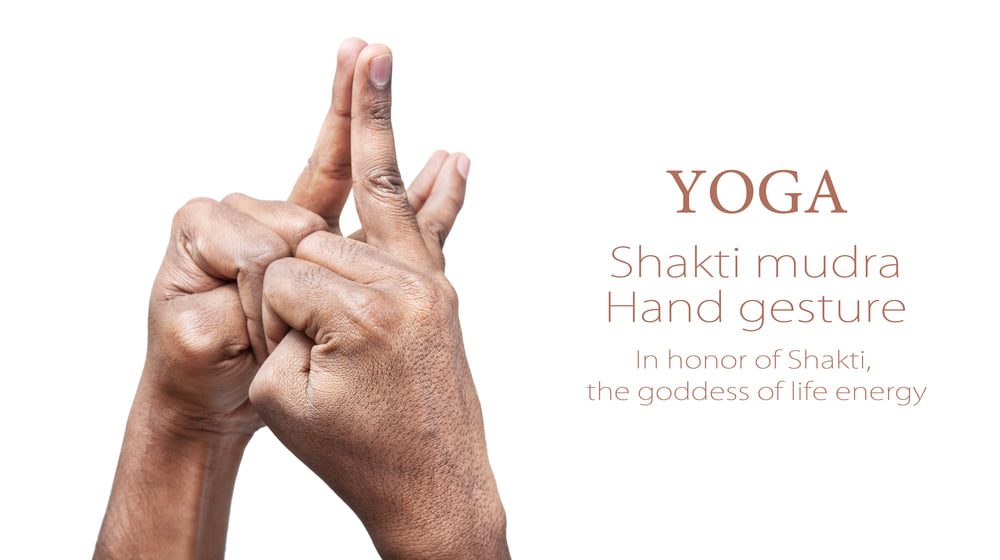
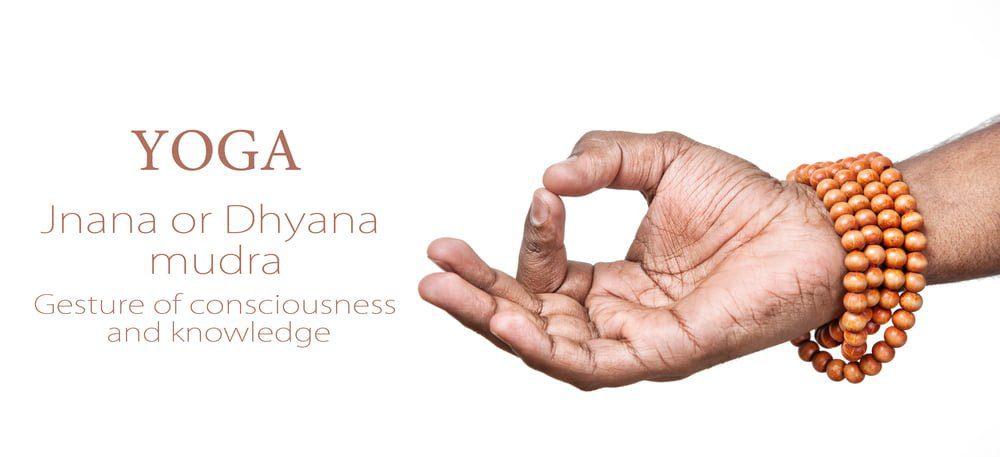
To harness the transformative energies of the winter solstice, incorporating mudras and pranayamas into your practice can be incredibly powerful. Mudras, the hand gestures, and pranayamas, the breathing techniques, are ancient practices that help channel and balance the flow of energy in the body. In this article, we will explore some of the best mudras and pranayamas to enhance your connection with the winter solstice and embrace its profound energies.
Benefits of Mudras and Pranayamas During Winter Solstice.
1 Increased Energy Flow.
Mudras, hand gestures that stimulate different energy channels in our body, and pranayamas, breathing techniques that control our life force energy (prana), help to awaken and enhance the flow of energy within us.
Related Stories
 Tree Pose Variations And Its Amazing Benefits You Must Know
 How Often Should You Roll Out the Mat?
By practicing specific mudras and pranayamas during the winter solstice, we can revitalize our energy centers, fostering a sense of vitality and rejuvenation.
2 Emotional Balance.
The winter solstice can bring about feelings of melancholy or emotional heaviness due to the lack of sunlight and colder temperatures. Mudras and pranayamas provide powerful tools to restore emotional balance and uplift our spirits.
By activating specific energy points through mudras and regulating the breath through pranayamas, we can release stagnant emotions, reduce anxiety, and cultivate a sense of inner peace and serenity.
3 Enhancing Intuition and Inner Wisdom.
The winter solstice is a time of introspection and reflection, making it an ideal period for connecting with our intuition and accessing our inner wisdom. Mudras and pranayamas facilitate this process by harmonizing the flow of energy within the body-mind complex, allowing us to tap into our intuitive guidance and gain clarity about our life’s path.

4 Strengthening Immunity.
During the winter season, our immune system may become compromised due to cold weather and reduced sunlight exposure. Mudras and pranayamas can help bolster our immune response by clearing energy blockages and promoting the circulation of vital energy throughout the body.
These practices stimulate the vital organs, improve respiratory function, and enhance overall well-being, thus supporting our immune system and keeping us healthy during the winter solstice.
5 Deepening Spiritual Connection.
The winter solstice is a powerful time for spiritual growth and connection. By incorporating mudras and pranayamas into our daily practice, we can deepen our spiritual connection and attune ourselves to the divine energy present during this transformative period.
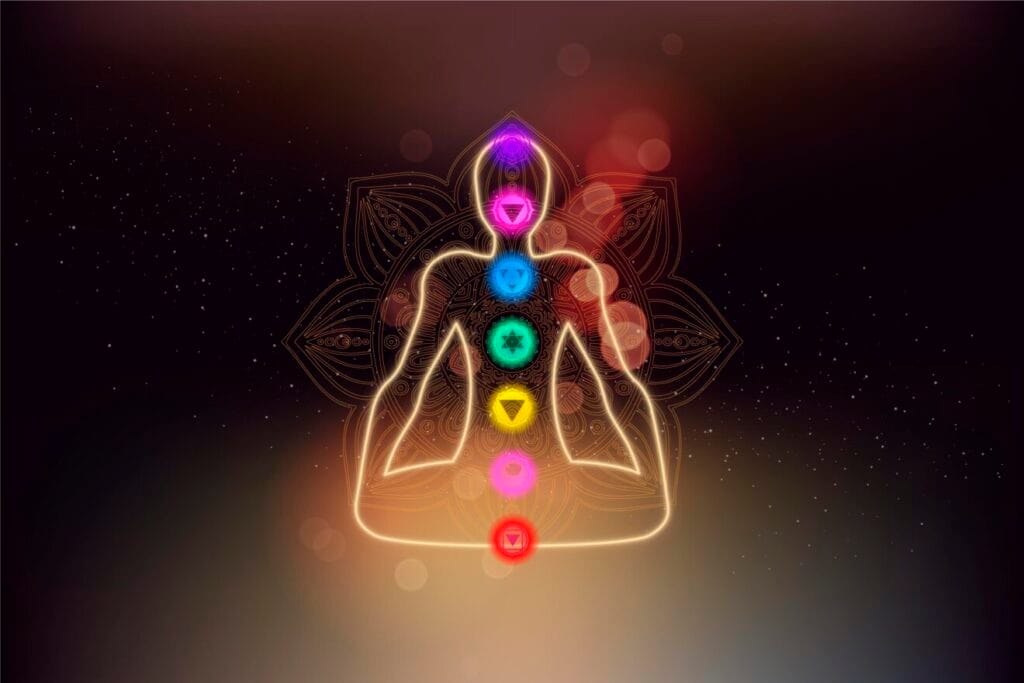
These practices open us up to receive higher guidance, expand our consciousness, and align ourselves with the universal energies of introspection, renewal, and rebirth.
| 💡 Tips Verywel Fit.com The use of mudras and pranayamas during the winter solstice offers numerous benefits for our physical, emotional, mental, and spiritual well-being. By integrating these ancient yogic practices into our daily routine, we can harness the energy of this special time, cultivate inner harmony, and embrace the transformative power of the winter solstice. |
Best Mudras for Winter Solstice.
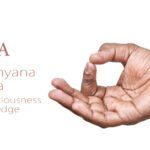
1 Prithvi Mudra (Earth Mudra).
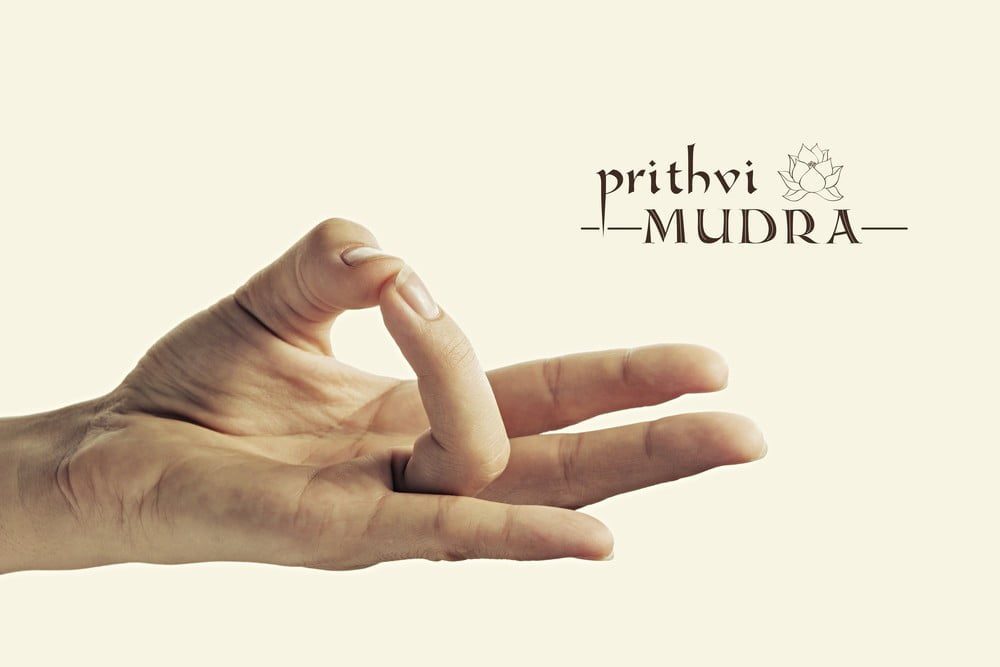
By joining the tip of the ring finger with the tip of the thumb, we activate the Prithvi Mudra, which stimulates the earth element within us. This Mudra helps ground our energy, promoting stability and resilience during the winter solstice. It reconnects us with the earth’s nurturing energy, reminding us to stay rooted and connected to our inner strength.
2 Surya Mudra (Sun Mudra).
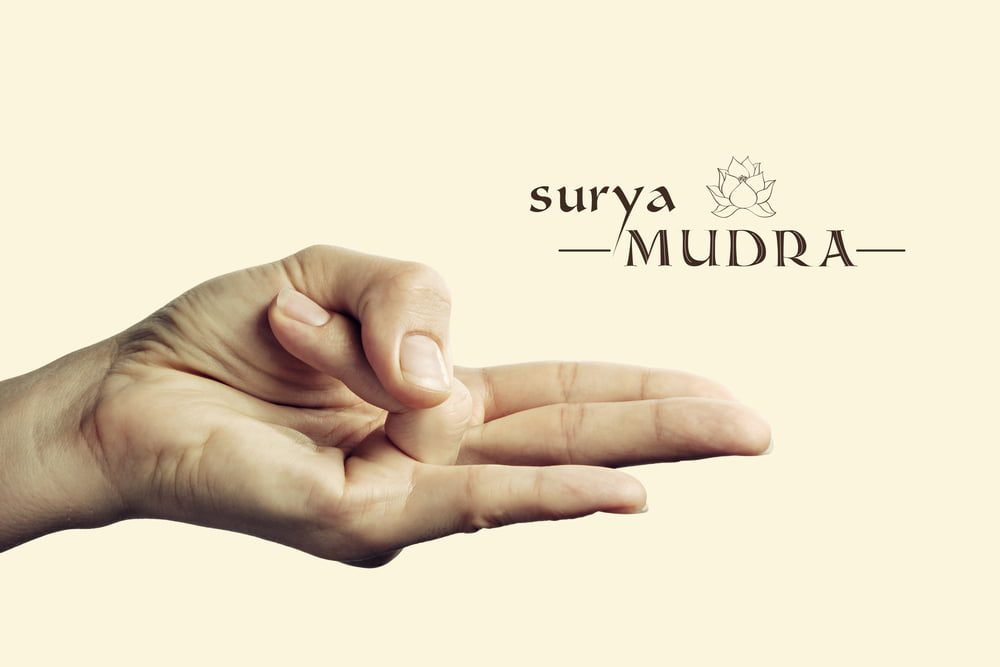
Formed by bending the ring finger and pressing it with the thumb, the Surya Mudra harnesses the energy of the sun, infusing us with vitality and warmth. As the winter solstice lacks sunlight, this Mudra symbolizes the internalization of solar energy, enhancing our inner radiance and igniting our inner fire.
3 Varuna Mudra (Water Mudra).
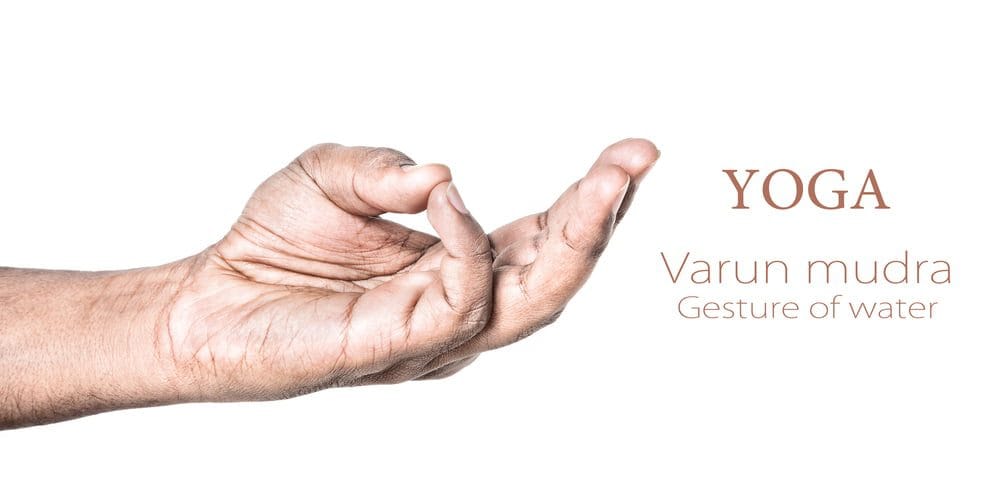
By connecting the tips of the little finger and the thumb, we activate the Varuna Mudra, symbolizing the water element. As winter is associated with coldness and dryness, this Mudra helps balance our fluid levels, rejuvenates our cells, and nourishes our emotions. It encourages a gentle flow, like a serene winter stream, promoting emotional well-being during this reflective season.
4 Vayu Mudra (Air Mudra).
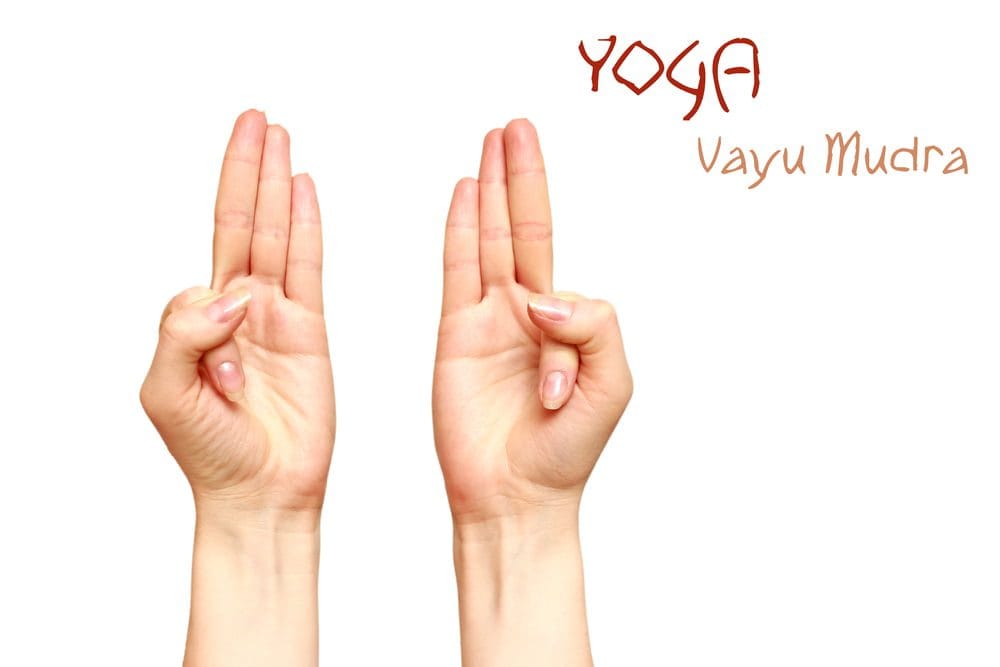
Creating a circle with the thumb and the index finger, the Vayu Mudra represents the air element. This Mudra enhances our breath, facilitating better oxygenation and circulation. During the winter solstice, when the air becomes crisp and invigorating, this Mudra helps us align with the revitalizing essence of the season and invites clarity and mental alertness.
5 Agni Mudra (Fire Mudra).
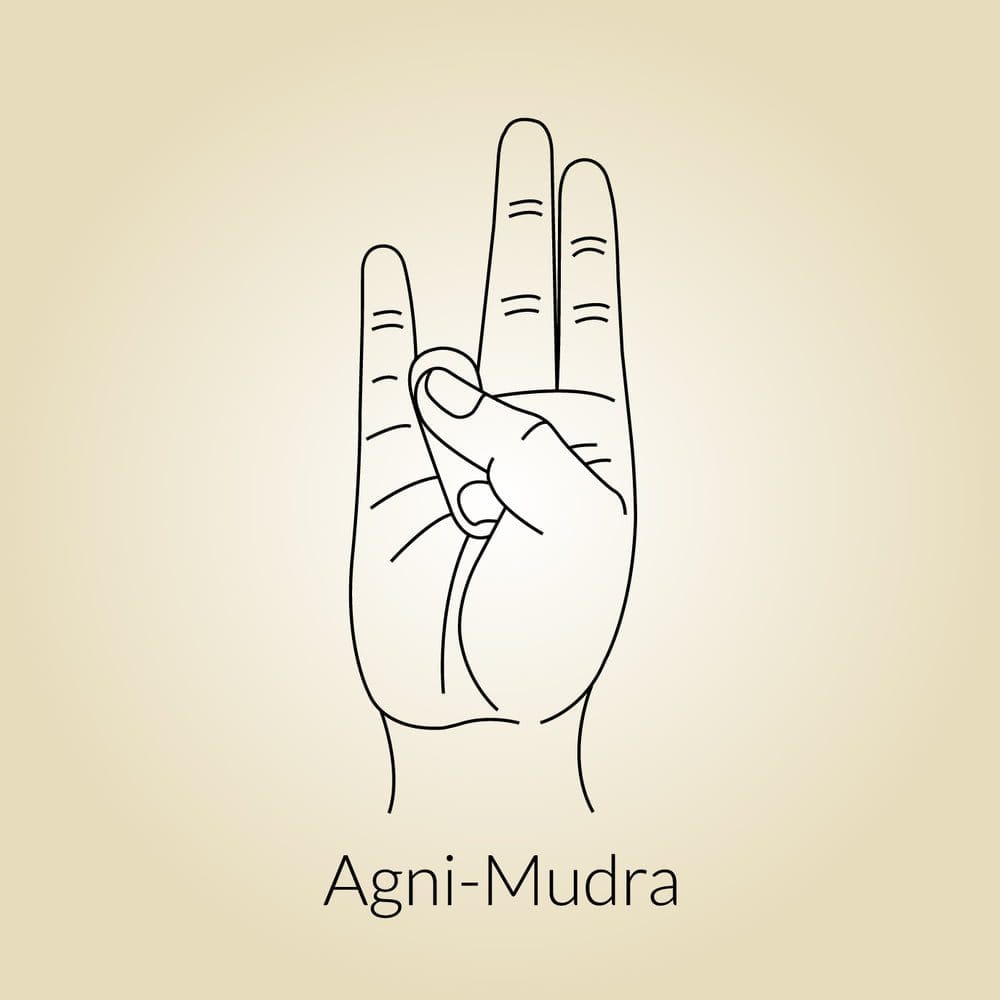
By touching the tip of the ring finger to the base of the thumb and pressing it gently with the thumb, the Agni Mudra activates the fire element within us. This Mudra generates inner warmth, supporting our body’s heat production during the colder months. It symbolizes transformation, enabling us to release stagnant energy and kindle our inner passions, ensuring a vibrant and inspired winter solstice experience.
| 💡 Tips Verywel Fit.com Incorporating these Mudras into our winter solstice rituals and meditative practices can deepen our connection to the season’s energies. As we embrace the introspective nature of the winter solstice, these Mudras provide a tangible and powerful way to align our energies, enhance our well-being, and embrace the transformative potential of this profound celestial event. |
Best Pranayamas During Winter Solstice.
Here are some of the best pranayamas to embrace during the winter solstice:
1 Kapalabhati (Skull Shining Breath).
This dynamic breathing technique involves forceful exhalations through the nose while keeping the inhalation passive. Kapalabhati helps to warm the body, increase energy levels, clear the mind, and enhance overall vitality.
2 Ujjayi Pranayama (Victorious Breath).
Ujjayi involves gently constricting the back of the throat while breathing in and out through the nose. This pranayama creates a soothing ocean-like sound and generates internal heat, which can be particularly beneficial during the cold winter months. It also helps to calm the mind and cultivate focus.
3 Nadi Shodhana (Alternate Nostril Breathing).
Nadi Shodhana entails alternating the breath between the left and right nostrils. This practice helps to balance the two hemispheres of the brain, harmonize the energy channels in the body, and promote a sense of calmness and relaxation.
4 Sheetali Pranayama (Cooling Breath).
Sheetali involves rolling the tongue into a tube shape and inhaling through it, creating a cooling effect in the body. This pranayama helps to reduce body heat, calm the nervous system, and alleviate stress and anxiety.
5 Bhastrika Pranayama (Bellows Breath).
Bhastrika is a powerful breathing technique where forceful inhalations and exhalations are performed rapidly. This vigorous pranayama generates heat within the body, enhances lung capacity, and boosts energy levels, making it ideal for combating the winter chill.
| 💡 Tips Verywel Fit.com By incorporating these pranayamas into our daily routine, we can tap into our inner reservoirs of vitality and find balance amidst the darkness and cold of the winter solstice. It is important to approach these practices with mindfulness, respecting our individual capacities and limitations. As we connect with our breath and harness the power of pranayama, we can navigate the winter season with renewed energy, resilience, and a deep sense of well-being. |
Bottom Line.
Mudras and pranayamas are powerful practices that can greatly enhance our well-being during the winter solstice. By incorporating these techniques into our daily routines, we can effectively balance our energies, strengthen our immune systems, and promote inner peace and harmony.
As we embrace the seasonal change and connect with the energy of the winter solstice, mudras and pranayamas offer us the opportunity to harness the transformative power of this time and cultivate a deeper connection with ourselves and the world around us.
So, let us embrace these ancient practices and allow them to guide us through the winter solstice, bringing us warmth, vitality, and a sense of profound spiritual renewal.