




























 latihan

 meditasi





Fakta-fakta cepat
- Tangkapan layar studi yang dilakukan oleh American Journal of Clinical Nutrition tentang peran protein dalam penurunan berat badan dan pemeliharaan
- Kehilangan otot bukan hanya masalah kosmetik, tetapi juga mempengaruhi metabolisme, kekuatan, sensitivitas insulin, tulang, dan pemeliharaan berat badan dalam jangka panjang.
- Tangkapan layar penelitian yang dilakukan oleh Clin Nutr Espen tentang peningkatan asupan protein dalam mempertahankan massa otot, kekuatan, dan fungsi fisik pada orang dewasa dengan kelebihan berat badan/obesitas.

Obat-obatan yang digunakan untuk mengurangi jumlah makanan yang dimakan orang dan memperlambat kecepatan pengosongan lambung telah mengubah penurunan lemak pada individu. Obat-obatan ini memungkinkan banyak pengguna untuk makan lebih sedikit - bahkan jauh lebih sedikit. Meskipun itu sangat efektif dalam pembakaran lemak, ada bahaya rahasia di baliknya; konsumsi protein yang buruk.
Ketika kalori berkurang secara drastis, tubuh tidak hanya membakar lemak. Ini juga akan menurunkan jaringan tanpa lemak tanpa adanya protein yang cukup dan aktivitas merangsang otot. Kehilangan otot bukan hanya masalah kosmetik, tetapi juga mempengaruhi metabolisme, kekuatan, sensitivitas insulin, tulang, dan Perawatan berat badan dalam jangka panjang.(1)
Inilah sebabnya mengapa merencanakan makan tinggi protein bukanlah tren kebugaran di antara pengguna narkoba penurun berat badan, melainkan salah satu persyaratannya.
Cerita terkait
 8 Makanan Super Vegetarian dan Non Vegetarian untuk Tulang dan Sendi yang Kuat
 Apakah cuka sari apel dengan teh hijau membantu menurunkan berat badan?

Pengetahuan tentang kebutuhan protein pada obat penurun berat badan.
Mengapa penghambatan nafsu makan bervariasi strategi protein.
Banyak pengguna memperhatikan:
- kepenuhan awal.
- Mengurangi isyarat lapar.
- Masalah dengan penyelesaian makanan biasa.
- mendukung makanan lunak atau cair.
Dampak seperti itu biasanya mengakibatkan defisit protein yang tidak disengaja terutama pada sarapan dan makan siang.
Prioritas protein, tidak memaksakan orang untuk makan besar adalah solusinya.
Berapa banyak protein yang sebenarnya Anda butuhkan?
Rekomendasi umum untuk orang yang menggunakan obat penurun berat badan:(2)
- Minimal: 1,2 g protein per kg berat badan per hari.
- Optimal (sebagian besar pengguna): 1,4-1,8 g/kg/hari.
- Ujung yang lebih tinggi (orang dewasa yang lebih tua, individu yang aktif): hingga 2,0 g/kg/hari.
Contoh:
- 75 kg orang → 105-135 g protein/hari.
- 90 kg orang → 125-160 g protein/hari.
Kuncinya adalah distribusi, bukan hanya total.

Aturan distribusi protein (sangat signifikan)
daripada makanan protein besar:
- Pergi untuk 25-40g protein pada setiap sesi makan.(3)
- Terbagi antara 3-4 makanan kecil atau makanan mini.
- Cairan dihitung (dan biasanya bekerja dengan baik di awal pengobatan)
Metode tersebut meningkatkan Sintesis protein otot dan toleransi terhadap pencernaan.

Sumber protein terbaik untuk pengguna obat.
1 protein hewani berkualitas tinggi.
- Telur (Ule + Putih)
- Yogurt Yunani (polos, protein tinggi)
- keju cottage
- Dada atau paha ayam
- Ikan (salmon, tuna, cod)
- Daging merah tanpa lemak (bagian kecil)
- Bubuk protein whey atau kasein
Mengapa mereka bekerja: Kandungan leusin tinggi, volume lebih kecil untuk lebih banyak protein.
2 Pilihan protein nabati.
- tahu dan tempe
- Lentil (bagian kecil)
- buncis
- Susu kedelai / protein kacang polong
- kue dadar
Tip: Campurkan protein nabati atau gunakan bubuk protein yang diperkaya untuk mencapai target.
3 Protein cair & lunak (penting sejak awal).
- Protein shake (25-40 g)
- Mangkuk yogurt campuran
- Smoothie dengan tambahan protein
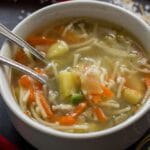
- Sup berprotein tinggi
- Telur orak-arik lembut
Ini sering menjadi perbedaan antara mencapai tujuan protein.
Makanan Testimonial Penyerapan dan toleransi.
Di satu sisi, obat penurun berat badan dapat memperlambat pencernaan. Strategi-strategi ini membantu:
- Makan protein terlebih dahulu dalam makanan.
- Makan protein yang dimasak sebagai lawan dari daging kering/terlalu matang.
- Pilih makanan basah (sup, semur, yogurt).
- Protein yang sangat berlemak harus dihindari di pagi hari, jika terjadi mual.
- Luangkan waktu, luangkan waktu sebelum Anda merasa sakit.

Kerangka rencana makan protein tinggi.
Alih-alih diet kaku, gunakan struktur sederhana ini:
struktur sehari-hari.
- Makanan 1: Sarapan yang berfokus pada protein (cair atau lunak).
- Makanan 2: protein + serat sedang.
- Makan 3: Makan malam dominan protein.
- Opsional: makanan ringan protein jika diperlukan.
Aturan pertama protein.
- Setiap kali makan dimulai dengan protein.
- Karbohidrat dan lemak ditambahkan setelah protein diamankan.
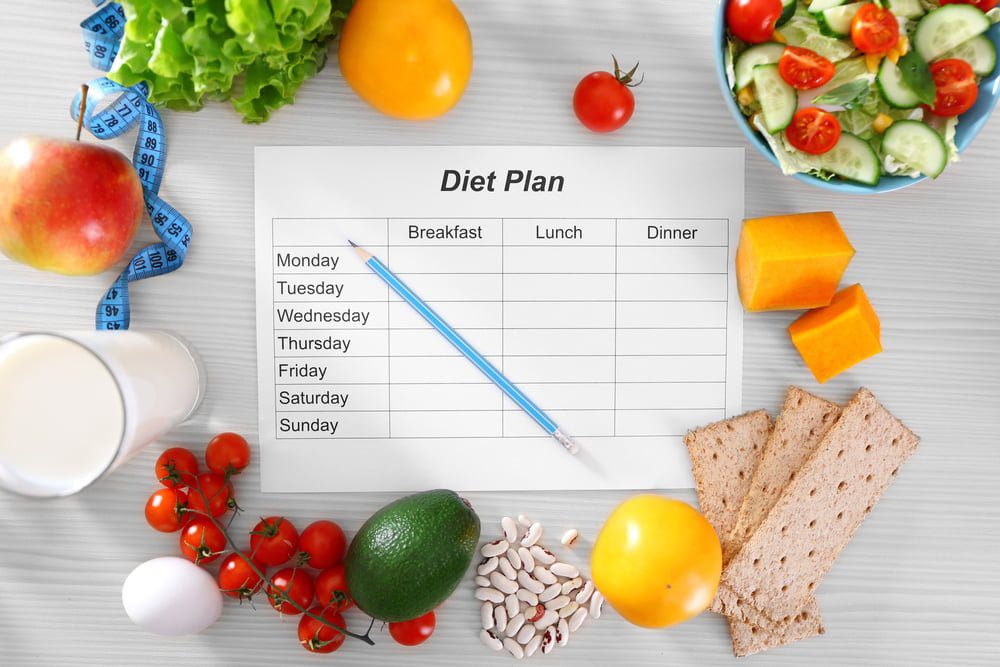
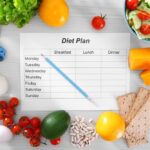
7 -Hari rencana makan protein tinggi (ramah obat).
Target protein: ~120-140 g/hari.
Bagian sengaja dibuat sederhana.
Hari 1.
sarapan.
- Yogurt Yunani (200 g) + protein whey (½ sendok)
→ ~ 35 g protein
makan siang.
- Telur orak-arik (2 putih utuh + 2 putih)
- Bayam tumis lembut
→ ~ 28 g protein
makan malam.
- Ayam bakar (100 gr)
- sayuran kukus
→ ~ 30 g protein
Camilan.
- Protein Shake
→ ~ 25 g protein
Jumlah: ~118 g
Hari 2.
sarapan.
- Smoothie protein (whey, susu almond, pisang)
→ ~30 g
makan siang.
- Keju cottage (200 g)
- buah lembut
→ ~26 g
makan malam.
- Salmon panggang (100 g)
- ubi jalar tumbuk
→ ~30 g
Camilan.
- Telur rebus (2)
→ ~12 g
Jumlah: ~ 98-110 g (tambahkan setengah kocok jika diperlukan)
Hari 3.
sarapan.
- Telur telur dadar (3 butir telur)
- jamur
→ ~27 g
makan siang.
- Sup miju (mangkuk kecil)
- Sisi yogurt Yunani
→ ~25 g
makan malam.
- Tumis tahu (150 g tahu)
→ ~25 g
Camilan.
- Protein Shake
→ ~25 g
Jumlah: ~102 g
Hari 4.
sarapan.
- Mangkuk yogurt berprotein tinggi
→ ~30 g
makan siang.
- Sup ayam (ayam tambahan)
→ ~30 g
makan malam.
- Daging Sapi Lemak (100g)
- Sayuran lembut
→ ~26 g
Camilan.
- keju cottage
→ ~20 g
Jumlah: ~106 g
Hari ke 5.
sarapan.
- smoothie protein
→ ~30 g
makan siang.
- Salad Tuna (100 g tuna)
- Sayuran lembut
→ ~28 g
makan malam.
- Paneer atau kari tahu (bagian kecil)
→ ~25 g
Camilan.
- Yoghurt Yunani
→ ~15 g
Jumlah: ~ 98 g (tambah goyangan jika pelatihan)
Hari 6.
sarapan.
- Telur orak-arik + putih
→ ~30 g
makan siang.
- Bowl + yogurt
→ ~22 g
makan malam.
- ikan bakar
→ ~30 g
Camilan.
- Protein bar atau shake
→ ~20 g
Jumlah: ~102 g
Hari ke 7.
sarapan.
- yogurt + whey
→ ~35 g
makan siang.
- Bungkus ayam (kecil)
→ ~25 g
makan malam.
- Mangkuk Tahu atau Paneer
→ ~25 g
Camilan.
- telur atau kocok
→ ~15–25 g
Jumlah: ~105–120g
menyesuaikan asupan protein dari waktu ke waktu.
fase awal (minggu 1-4).
- Cairan dan makanan lunak mendominasi.
- Protein shake sangat penting.
- Fokus pada toleransi, bukan kesempurnaan.
fase pertengahan (minggu 5-12).
- meningkatkan protein padat.
- Kurangi ketergantungan pada getar.
- Mulailah waktu makan yang lebih terstruktur.
fase jangka panjang.
- Protein menjadi kebiasaan.
- Makanan normal dalam tekstur.
- Fokus pada keberlanjutan dan kenikmatan.
Waktu & Latihan Protein (jika Anda berlatih).
Jika Anda melakukan pelatihan resistensi:
- Konsumsi 25-40 g protein dalam waktu 2 jam setelah pelatihan.
- Total harian lebih penting daripada waktu yang tepat.
- Creatine (opsional) dapat membantu mempertahankan kekuatan.
bahkan kekuatan ringan Pelatihan meningkatkan seberapa efektif tubuh Anda menggunakan protein.
Kesalahan protein umum pada obat penurunan berat badan.
Kesalahan 1: “Saya tidak lapar, jadi saya melewatkan protein”.
memperbaiki: Gunakan protein cair atau yogurt.
Kesalahan 2: hanya mengandalkan sayuran.
memperbaiki: Sayuran itu sehat, tetapi protein harus didahulukan.
Kesalahan 3: Satu kali makan protein-berat per hari.
memperbaiki: Sebarkan protein di seluruh makanan.
Kesalahan 4: Takut kalori.
memperbaiki: Kalori protein melindungi otot dan metabolisme.
Tips Kenyamanan Protein & Pencernaan.
- SIP Protein Shake perlahan
- Hindari minuman yang sangat dingin jika rawan mual
- Gunakan jahe atau peppermint jika diperlukan
- Hindari berbaring segera setelah makan
- Jaga agar makanan tetap sederhana
Adaptasi protein vegetarian & ala India.
Pilihan vegetarian tinggi protein:
- Paner.
- Yogurt Yunani / dadih yang digantung.
- potongan kedelai.
- tahu.
- Kombinasi dal + yogurt.
- roti yang diperkaya protein (bagian kecil).
Contoh makanan India:
- Sarapan: Paneer Bhurji (kecil).
- Makan siang: Dal + dadih.
- Makan malam: Tahu Sabzi.
- Camilan: Protein Shake.
Seberapa tinggi konsumsi protein mendukung pemeliharaan berat badan jangka panjang?
Protein:
- Mempertahankan massa ramping.
- Meningkatkan rasa kenyang.
- Mengurangi risiko berat badan kembali.
- penyokong kesehatan metabolisme.
- Meningkatkan rekomposisi tubuh.
Pengguna yang mempertahankan asupan protein lebih mungkin untuk menjaga berat badan setelah obat meruncing.
Pengalaman pribadi dari rencana makan protein tinggi Dr. Aarav Sen.
Ketika saya mulai memperhatikan individu yang menggunakan obat penurun berat badan modern, salah satu tren segera terlihat. Skala itu menuju ke arah yang benar, kadang-kadang dengan kecepatan tinggi, tetapi banyak dari mereka juga mengeluh tentang sesuatu yang berbeda, kelelahan yang tidak biasa, kurangnya kekuatan dan bahwa tubuh menyusut dalam arti yang salah.
Konsumsi makanan dalam beberapa kasus telah berkurang sedemikian rupa sehingga protein secara diam-diam menurun ke tingkat yang tidak berkelanjutan. Sarapan terkadang tidak diambil sama sekali. Makan siang menjadi beberapa gigitan. Makan malam jarang – dan meskipun Kehilangan berat badan tampak bagus di atas kertas, bukan perawatan tubuh yang didorong secara aktif.
Saya ingat satu orang secara khusus yang memiliki kehilangan lebih dari 10 persen berat badannya dalam beberapa bulan. Secara lahiriah kemajuan itu tampak baik-baik saja. Namun, ketika kami mengukur kekuatan, postur, dan tingkat energi harian, jelas bahwa jaringan tanpa lemak juga menurun. Konsumsi protein rata-rata kurang dari 60 gram/hari, bukan karena keputusan yang buruk, tetapi hanya kurangnya nafsu makan.
Pengalaman itu membuat saya mengubah sikap saya terhadap nutrisi dalam obat penurun berat badan.
Daripada menyuruh orang makan lebih banyak yang hampir tidak berhasil ketika mereka merasa tidak lapar, saya mulai memperhatikan efisiensi protein makanan kecil, terarah, dan tinggi protein yang saya bisa Makan bahkan pada hari-hari kelaparan rendah. Penyesuaian minimal seperti menambahkan protein shake di pagi hari, dengan fokus pada protein lunak dan mendistribusikan jumlahnya sepanjang hari adalah nyata dalam beberapa minggu.
kekuatan stabil. energi ditingkatkan. Kehilangan berat badan Bertahan – tetapi dengan hasil komposisi tubuh yang jauh lebih baik.
Pada saat itu saya selalu mengamati bahwa mereka yang mengonsumsi protein tinggi di awal obat-dibantu Penurunan Berat Proses mempertahankan otot, menjadi lebih kuat dan berkembang lebih mudah menjadi pemeliharaan jangka panjang. Pengabaian protein di masa sekarang juga sulit untuk dipertahankan di masa depan meskipun dramatis Penurunan Berat di awal.
Inilah alasan mengapa saya sangat menekankannya:
Obat yang digunakan untuk menurunkan berat badan Namun, membawa perubahan, kualitas perubahan tergantung pada konsumsi protein.
ini panduan bukan hanya sekedar refleksi dari nutrisi Teori tetapi kecenderungan aktual yang telah saya saksikan lagi dan lagi – dan apa yang paling efektif dalam melestarikan otot, semua sama memastikan bahwa kehilangan lemak dapat terjadi.
“Saya secara konsisten melihat bahwa obat penurun berat badan mendorong perubahan, tetapi protein yang cukuplah yang menentukan apakah perubahan itu mempertahankan kekuatan atau mengorbankan otot.”

pertanyaan yang sering diajukan.
1 1. Berapa jumlah protein yang direkomendasikan yang perlu saya konsumsi saat menggunakan obat penurun berat badan?
Konsumsi protein harian harus 1,21,8 gram berat badan per kilogram tergantung pada usia, aktivitas, dan tingkat penurunan berat badan karena kebanyakan individu yang menggunakan obat penurun berat badan disarankan untuk mengonsumsi protein ini. Konsumsi protein yang meningkat memungkinkan seseorang untuk mempertahankan otot, tetap kuat, dan membantu metabolisme saat berdiet. Distribusi protein selama makan bisa menjadi solusi yang lebih baik daripada memakannya sekaligus.
2 2 . Apakah mungkin untuk mencegah penurunan berat badan selama penurunan berat badan dengan menggunakan diet tinggi protein?
YA. Studi selalu menunjukkan bahwa diet tinggi protein sangat mengurangi penurunan otot dalam proses penurunan berat badan terutama ketika kalori terbatas. Protein memberikan asam amino yang dibutuhkan untuk mempertahankan jaringan tanpa lemak, dan dalam hubungannya dengan pelatihan resistensi, itu menjadikannya salah satu pendekatan yang paling menguntungkan untuk kehilangan lemak dan melestarikan otot.
3 3. Apa makanan berprotein tinggi yang paling sukses ketika saya tidak lapar?
Protein cair dan lunak adalah yang terbaik ketika nafsu makan rendah. Yang paling umum adalah protein shake, yogurt Yunani, keju cottage, telur orak-arik lembut, sup campuran dan smoothie dengan tambahan protein. Ini adalah makanan berprotein tinggi, yang menyediakan tubuh dengan kandungan protein tinggi dalam jumlah minimal dan lebih nyaman dicerna dibandingkan dengan makanan padat besar.
Takeaway akhir.
Obat penurun berat badan sangat kuat — tetapi nutrisi menentukan kualitas hasilnya.
protein tinggi rencana makan:
- Melindungi otot
- membaik kekuatan dan energi
- Mendukung kehilangan lemak
- Mengurangi kembali jangka panjang
- membuat Penurunan Berat lebih sehat dan lebih berkelanjutan
Anda tidak perlu Diet ekstrim atau makanan besar.
Anda membutuhkan perencanaan yang mengutamakan protein, porsi cerdas, dan konsistensi.
+3 Sumber
VeryWelFit memiliki pedoman pengadaan yang ketat dan bergantung pada studi peer-review, lembaga penelitian pendidikan, dan organisasi medis. Kami menghindari penggunaan referensi tersier. Anda dapat mempelajari lebih lanjut tentang bagaimana kami memastikan konten kami akurat dan terkini dengan membaca Kebijakan Editorial.
- Peningkatan asupan protein untuk mempertahankan massa otot, kekuatan, dan fungsi fisik pada orang dewasa dengan kelebihan berat badan/obesitas: tinjauan sistematis dan meta-analisis; https://pubmed.ncbi.nlm.nih.gov/39002131/
- peran protein dalam penurunan berat badan dan pemeliharaan; https://www.sciencedirect.com/science/article/pii/S0002916523274274
- Peningkatan asupan protein mengurangi penurunan massa tubuh tanpa lemak selama penurunan berat badan pada atlet; https://pubmed.ncbi.nlm.nih.gov/19927027/