









































 تدرب
تدرب

 تأمل
تأمل





الحقائق السريعة
- In this article, we will explore the various physical and mental benefits of Upward Facing Bow, as well as provide step-by-step instructions on how to safely and effectively practice this invigorating yoga pose.
- The pose opens the heart center and increases blood circulation, which can result in a surge of energy and an overall feeling of rejuvenation.
- Upward Facing Bow serves as a reminder to approach life with an open heart, to trust in oneself, and to fearlessly reach for new heights.

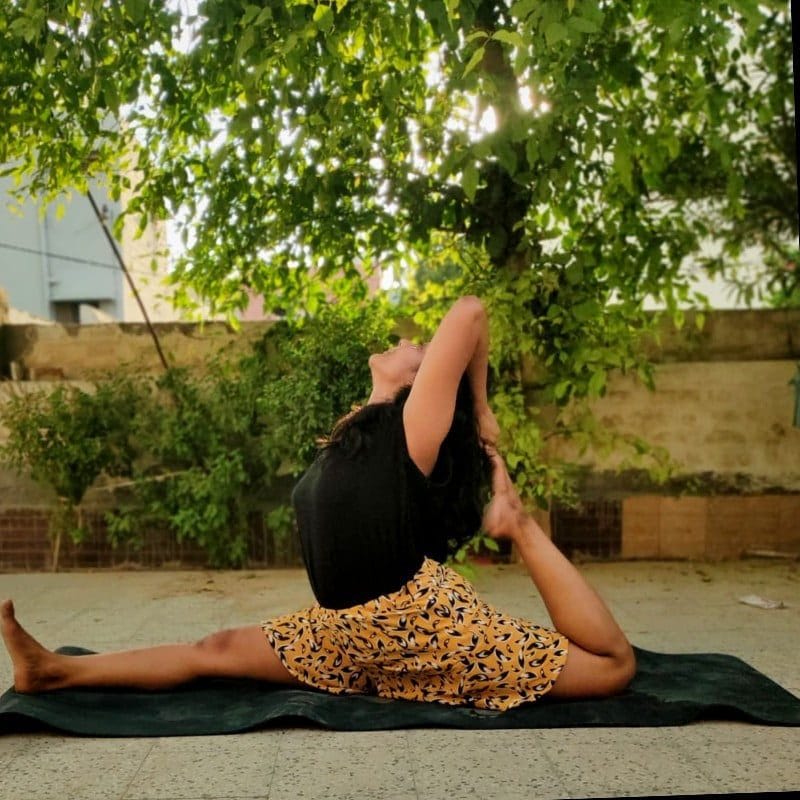
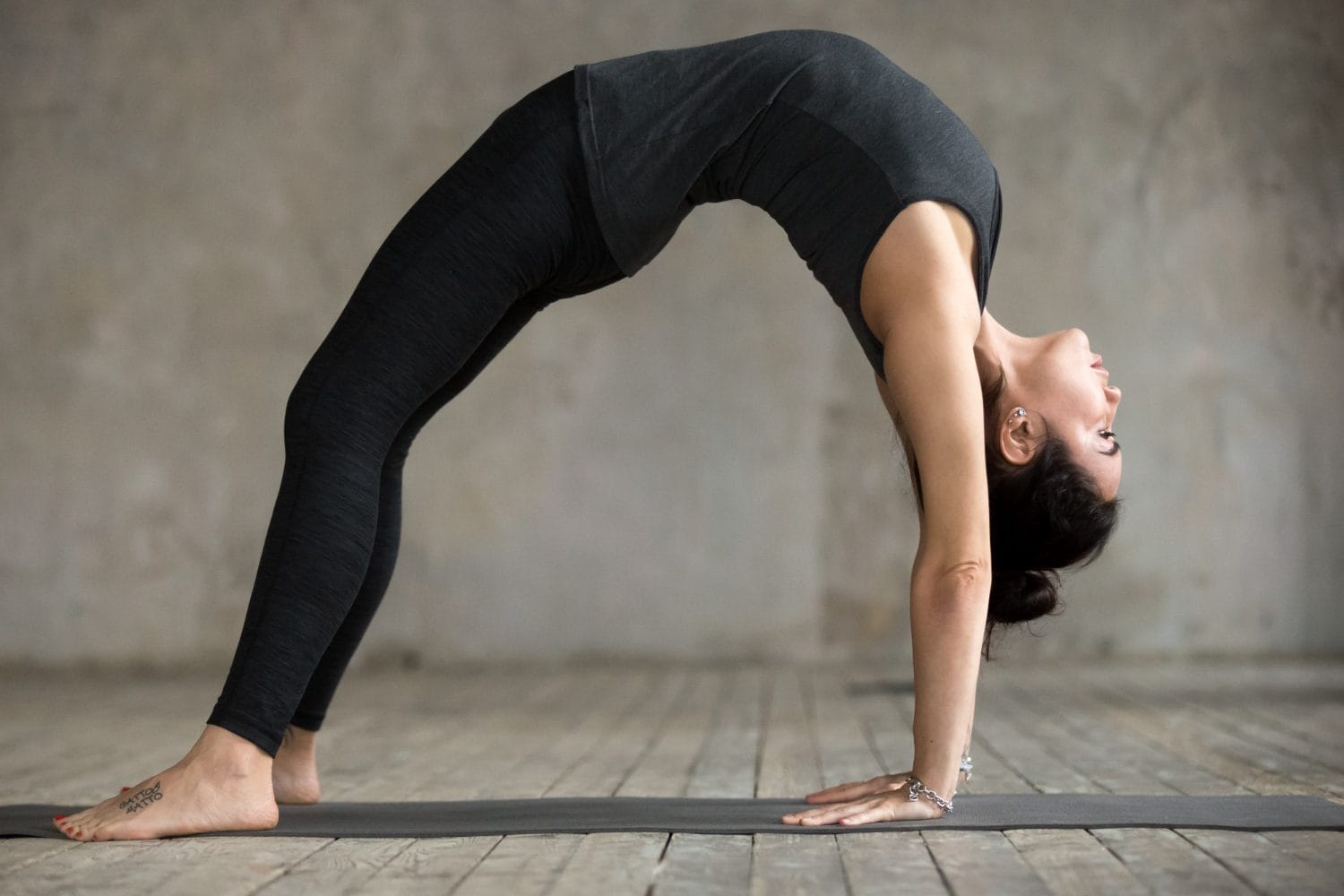
Upward Facing Bow, also known as Urdhva Dhanurasana in Sanskrit, is a dynamic yoga pose that incorporates strength, flexibility, and balance. This challenging backbend not only opens the chest and shoulders but also stretches the hip flexors, quadriceps, and abdomen. Upward Facing Bow is often considered an advanced pose due to its deep backbend and the level of flexibility required to achieve it.
However, with consistent practice and proper alignment, this pose can be accessible and beneficial for practitioners of different levels. In this article, we will explore the various physical and mental benefits of Upward Facing Bow, as well as provide step-by-step instructions on how to safely and effectively practice this invigorating yoga pose.
Upward Facing Bow Meaning.
Upward Facing Bow is a challenging and invigorating yoga pose that holds significant meaning within the practice. This pose represents a deep opening of the heart and the expansion of the chest, both physically and emotionally. By arching the back and lifting the entire body off the ground, practitioners cultivate strength, flexibility, and courage.
قصص ذات صلة
 كيفية منع آلام الرسغ في اليوجا: تجربتي الشخصية ، نصيحة الخبراء
 وضعية اليوجا الدوارة: الفوائد والخطوات والاختلافات
Upward Facing Bow symbolizes a release of fear, vulnerability, and self-doubt, allowing individuals to embrace their true potential and connect with a sense of inner power. This pose encourages a sense of positivity, optimism, and joy, as it opens up the heart chakra and promotes emotional healing. Ultimately, Upward Facing Bow serves as a reminder to approach life with an open heart, to trust in oneself, and to fearlessly reach for new heights.
Benefits of Upward Facing Bow.
1 Spinal flexibility.
Upward Facing Bow is a fantastic pose to increase the flexibility of the spine. It stretches and opens the entire front body, including the chest, shoulders, and hip flexors. Regular practice can gradually release tension and tightness in these areas, promoting better posture and spinal alignment.
2 Increases energy and vitality.
As an invigorating pose, Upward Facing Bow stimulates the entire body, awakening dormant energy and boosting vitality. The pose opens the heart center and increases blood circulation, which can result in a surge of energy and an overall feeling of rejuvenation.
3 Strengthens the back and core.
This pose engages and strengthens the muscles of the back, including the erector spinae, rhomboids, and latissimus dorsi. It also activates the عضلات أساسية, such as the abdominals and obliques, which helps improve stability and support for the spine.

4 Improves respiratory function.
By expanding the chest and opening the lungs, Upward Facing Bow enhances lung capacity and deepens the breath. This can be particularly beneficial for those with respiratory conditions like asthma or allergies, as it helps to increase oxygen intake and improve overall respiratory health.
5 Enhances mood and reduces stress.
Backbends, including Upward Facing Bow, are known to have mood-lifting effects due to their ability to release stored tension and negative emotions. The pose stimulates the nervous system, triggering the release of endorphins and reducing stress levels. Regular practice can promote a sense of emotional well-being, positivity, and overall mental clarity.
6 Boosts confidence and self-esteem.
Upward Facing Bow requires courage and trust in oneself to fully embrace the pose. By conquering this challenging asana, practitioners often experience an increased sense of self-confidence and self-esteem. The pose encourages individuals to step out of their comfort zones, fostering a positive mindset and a belief in their own capabilities.
7 Therapeutic benefits.
Upward Facing Bow can provide therapeutic benefits for various conditions, including mild depression, fatigue, and mild back pain. It is believed to stimulate the adrenal glands, which can help combat fatigue and mild depression. Additionally, the pose may alleviate mild back pain by stretching and strengthening the muscles of the back, reducing tension and promoting better spinal alignment.
| 💡 نصائح verywel fit.com Incorporating Upward Facing Bow into your yoga practice can be an empowering experience, offering a multitude of physical, mental, and emotional benefits. However, it is crucial to approach the pose with caution and under the guidance of a qualified yoga instructor, especially if you have any pre-existing injuries or conditions. |
How to do Upward Facing Bow?
To practice this pose safely and effectively, follow these steps:
1 الاحماء: Begin by warming up your body with a few rounds of Sun Salutations or other gentle yoga poses to prepare your muscles and joints for the intensity of Upward Facing Bow.
2 Lie on your back: Start by lying on your back with your knees bent and your feet hip-distance apart. Place your heels close to your sitting bones, ensuring that your feet are parallel.
3 Hand placement: Bend your elbows, placing your hands on the mat beside your ears. Fingers should be pointing towards your shoulders, and your palms should be flat on the ground.
4 Lift your hips: Press your feet firmly into the mat, engaging your leg muscles. Inhale deeply as you lift your hips off the ground, pushing your tailbone toward the ceiling. Maintain a steady grip with your hands to support your weight.
5 Straighten your arms: Exhale slowly and begin straightening your arms, lifting your head and shoulders off the mat. Keep your gaze forward, avoiding any strain on your neck. Ensure that your elbows are parallel and close together.
6 Roll onto the crown of your head: As you continue to lift your chest, press into your hands and roll onto the crown of your head. This step requires strength, flexibility, and core engagement. If you feel any discomfort or strain, slowly lower your head back to the ground and work on building strength before attempting this variation.
7 Lift your head and straighten your legs: Once you feel stable in the previous step, inhale deeply and lift your head off the ground. Simultaneously, extend your legs fully, pressing through your heels. Engage your quadriceps and inner thighs to support your body weight.
8 Lengthen your spine: Focus on lengthening your entire spine, creating space between your vertebrae. This will help you maintain balance and prevent compression in your lower back.
9 Hold the pose: Stay in Upward Facing Bow for a few breaths, gradually working your way up to a longer hold. Keep breathing deeply and evenly, allowing your body to relax and adjust to the pose.
10 Release the pose: To release, exhale and slowly lower your body back down to the mat, releasing one vertebra at a time. Rest in Corpse Pose (Shavasana) for a few moments to allow your body to recover and integrate the benefits of the pose.
| 💡 نصائح verywel fit.com Remember, it is essential to listen to your body and honor its limits. If you experience any pain or discomfort during Upward Facing Bow, modify the pose or seek guidance from a qualified yoga instructor. Regular practice and patience will gradually increase your strength and flexibility, enabling you to deepen your experience of this empowering pose. |
Upward Facing Bow Contraindications.
Upward Facing Bow is a powerful backbend that offers numerous benefits for the body and mind. However, like any other yoga pose, it is essential to practice with caution and be aware of any contraindications that may apply to certain individuals. Here are some common contraindications for Upward Facing Bow:
1 Back or Spinal Injuries.
Individuals with acute or chronic back pain, herniated discs, or any other spinal injuries should avoid practicing Upward Facing Bow. This pose places a significant amount of stress on the spine, and those with existing conditions could worsen their condition or risk further injury.
2 Shoulder or Wrist Issues.
Upward Facing Bow requires a considerable amount of strength and flexibility in the shoulders and wrists. Individuals with shoulder impingement, rotator cuff injuries, or wrist pain should avoid this pose, as it can exacerbate these issues or cause discomfort.
3 الحمل.
Pregnant women should avoid practicing Upward Facing Bow, especially during the later stages of pregnancy. This pose compresses the abdomen and places pressure on the baby, which can be potentially harmful. It is always advisable to consult with a healthcare professional before practicing any intense backbends during pregnancy.
4 High or Low Blood Pressure.
Upward Facing Bow is an intense heart-opening pose that increases blood flow to the head. Individuals with uncontrolled high blood pressure or low blood pressure may experience dizziness or lightheadedness in this pose. It is important to practice moderation and avoid straining excessively if you have blood pressure concerns.
5 Recent Surgery or Injury.
If you have recently undergone surgery, particularly in the abdomen, spine, or shoulders, it is crucial to avoid practicing Upward Facing Bow until you have fully recovered. This pose puts a significant amount of stress on these areas and could hinder the healing process or cause complications.
6 Neck Issues.
Individuals with neck injuries, cervical spondylosis, or any other condition affecting the neck should refrain from practicing Upward Facing Bow. This pose places pressure on the neck and can potentially worsen these conditions or cause discomfort.
7 Osteoporosis or Osteopenia.
Those with osteoporosis or osteopenia, conditions characterized by low bone density, should avoid deep backbends like Upward Facing Bow. These poses can put excessive pressure on the vertebrae and increase the risk of fractures.
| 💡 نصائح verywel fit.com As always, it is essential to listen to your body and practice yoga mindfully. If you have any concerns or specific health conditions, it is advisable to consult with a qualified yoga teacher or healthcare professional before attempting Upward Facing Bow or any challenging yoga pose. |
Upward Facing Bow Variations.
1 One-legged Upward Facing Bow.
Begin in a seated position with your legs extended in front of you. Bend your right knee and place your right foot on the ground, bringing your heel close to your right buttock. Keep your left leg straight and firmly grounded. Place your hands behind you, fingertips pointing towards your feet. Press into your hands and lift your hips up towards the sky, arching your back and lifting your chest towards the ceiling. Hold for a few breaths, then switch sides.
2 Wall-Assisted Upward Facing Bow.
Stand facing a wall with your feet hip-width apart. Place your hands on the wall at shoulder height, slightly wider than shoulder-width apart. Step your feet back a few inches and lean your body forward, keeping your arms straight. Press into your hands and lift your chest towards the wall, arching your back and looking up towards the ceiling. Hold for a few breaths, then slowly step your feet back in and come back to standing.
3 Chair-Assisted Upward Facing Bow.
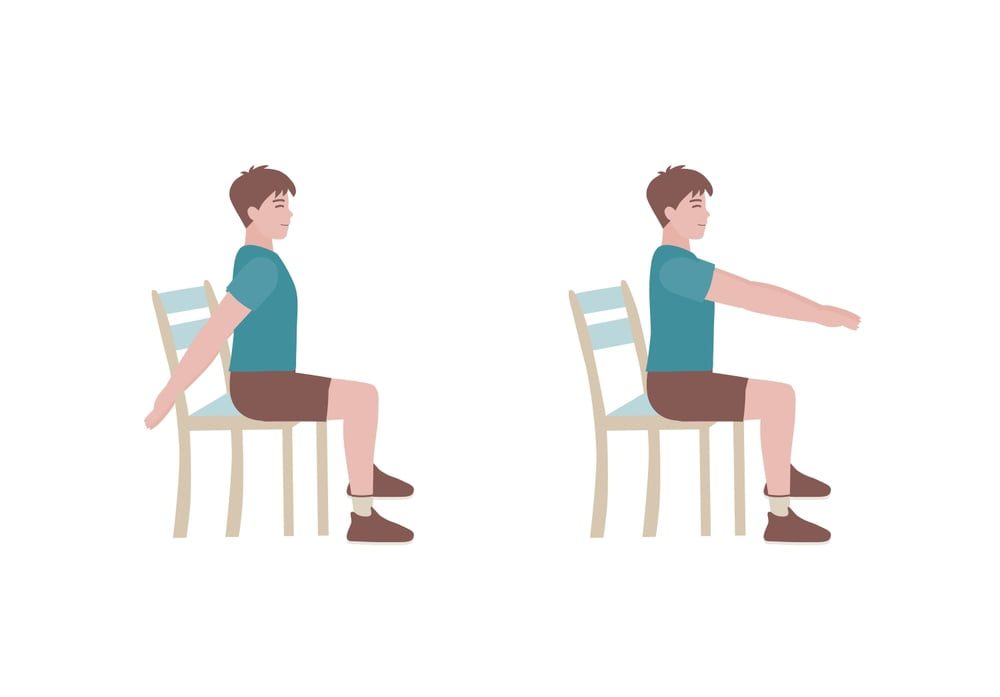
Begin by sitting on a sturdy chair, facing the backrest. Place your hands on the top of the backrest, fingers pointing towards your body. Lean your torso back and lift your legs off the ground, coming into a “V” shape with your body. Press into your hands and lift your chest towards the ceiling, arching your back and lengthening your spine. Hold for a few breaths, then carefully lower your legs back down and come back to sitting.
الخلاصة.
The upward facing bow pose also known as Urdhva Dhanurasana, is a challenging and invigorating يوجا pose that offers a variety of physical and mental benefits. This pose helps to open the chest, shoulders, and hips, increasing flexibility and strength in those areas. Additionally, it improves posture, relieves anxiety and stress, and boosts energy levels. However, it is important to approach this pose with caution and practice under the guidance of a qualified yoga instructor to prevent injuries. With regular practice and patience, the upward facing bow pose can be a transformative addition to one’s yoga routine, bringing about a sense of balance, vitality and overall well-being.