


 Workout

 Meditation





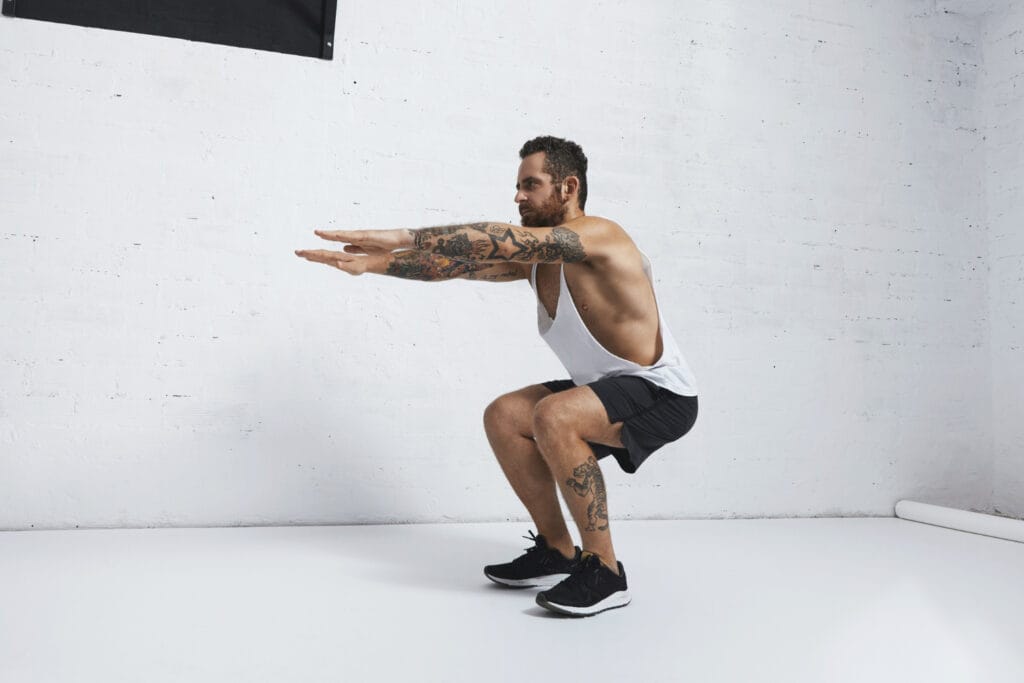
If I wear a haptic suit that forces my muscles through the perfect squat form while I sleep, will my nervous system learn the movement without me being conscious? Is Passive Athleticism a real possibility, or is the mind muscle connection something that requires 100% active focus to build?

Passive movement alone will not teach your nervous system a squat in the way active practice does. Motor learning depends on intentional cortical drive, error detection, proprioceptive feedback, and reinforcement through the cerebellum and basal ganglia. When you actively squat, your brain predicts force output, senses deviation, corrects it, and updates the motor program. During sleep — especially non-REM — cortical motor output is largely inhibited. The body can be moved, but the predictive coding loop that builds skill is not fully engaged.
That said, passive movement isn’t useless. It can:
- Maintain joint range and tissue compliance
- Preserve basic neuromuscular pathways (used in rehab settings)
- Prime proprioceptive circuits
But it does not build strength, coordination under load, or force modulation because those require voluntary motor unit recruitment and adaptive stress.
“Passive Athleticism” in the sense of skill acquisition without conscious engagement is not supported by motor neuroscience. The mind–muscle connection doesn’t require 100% hyper-focus, but it does require active neural participation. Muscles don’t learn patterns — brains do. And brains learn through effort, feedback, and adaptation, not passive positioning during sleep.