







































 Workout

 Meditation






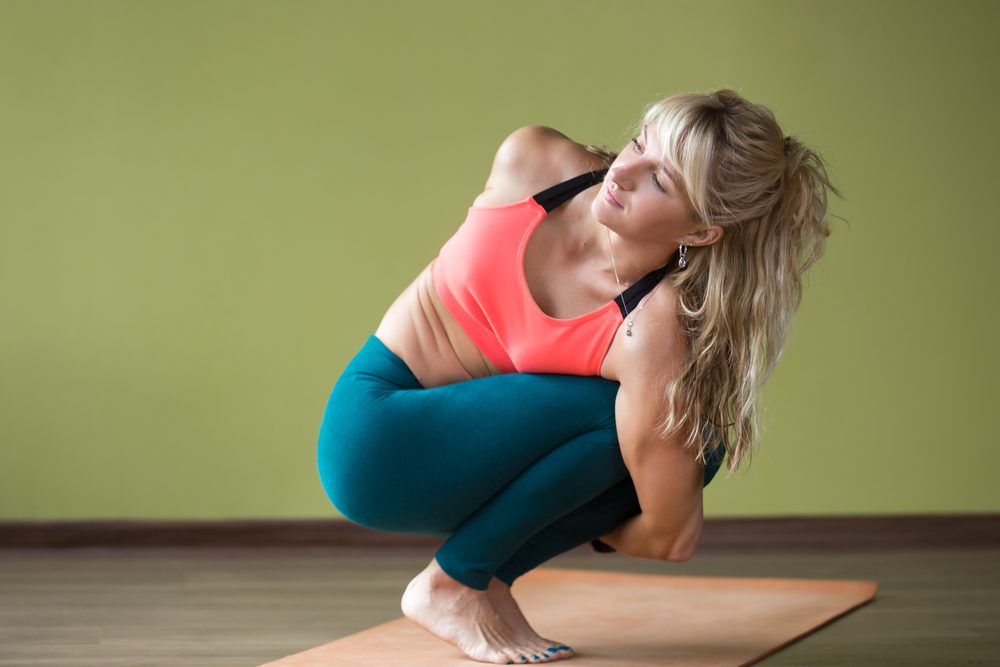
En el mundo del yoga, cada postura tiene un significado único y ofrece una gran cantidad de beneficios físicos, mentales y espirituales. La Estrella Fugaz, también conocida como la Postura del Triángulo Caído, es una de ellas que combina elementos de equilibrio, fuerza y flexibilidad. En esta guía completa, profundizaremos en los matices de la postura de yoga Estrella Fugaz, explorando sus beneficios, la forma correcta de realizarla, las precauciones a considerar, los errores comunes que se deben evitar y la evidencia científica que respalda su eficacia.
Entendiendo la postura de yoga de la estrella fugaz.
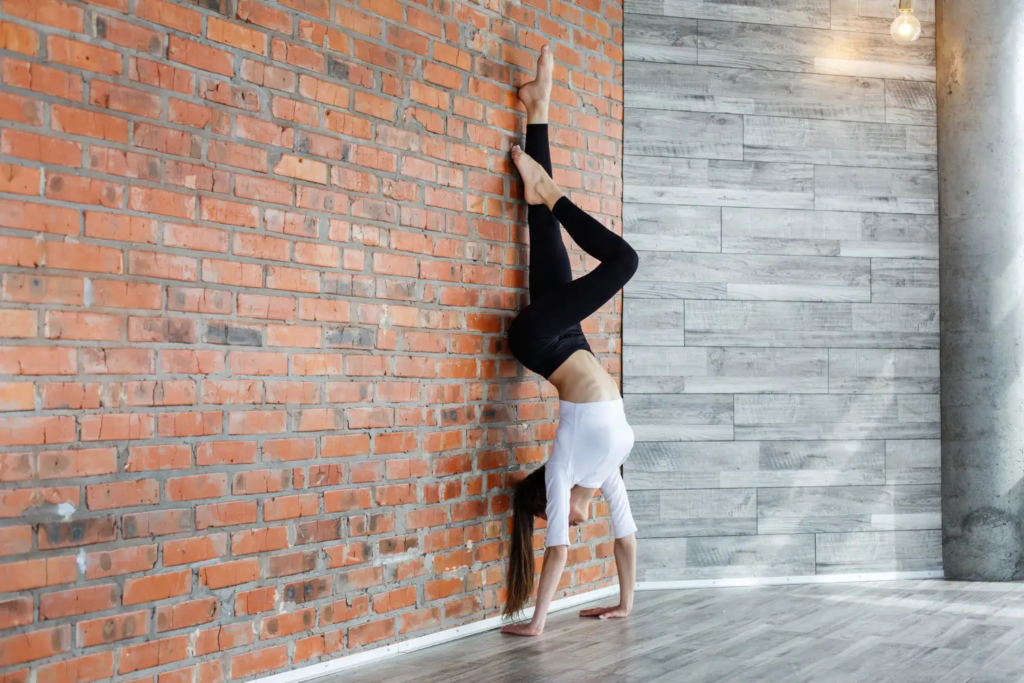
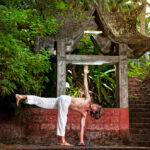
La Estrella Fugaz es una variación de la Postura del Triángulo tradicional (Trikonasana) y requiere una combinación de estabilidad y gracia para ejecutarse correctamente. En esta poseLos practicantes emulan el elegante descenso de una estrella fugaz, extendiendo un brazo hacia el suelo mientras el otro se extiende hacia el cielo, creando una hermosa línea diagonal con el cuerpo.
Beneficios de la postura de yoga de la estrella fugaz.
1 Mejora del equilibrio y la estabilidad: La naturaleza asimétrica de Falling Star desafía al practicante a activar los músculos centrales y estabilizar su cuerpo, mejorando así el equilibrio y la coordinación.(1)
2 Mayor flexibilidad: Estirar el cuerpo en direcciones opuestas promueve la flexibilidad en la columna, los hombros, los isquiotibiales y las caderas.(2)
Related Stories
 Prácticas de conexión a tierra: posturas de yoga para mejorar el bienestar del trabajador social
 Las 10 mejores posturas de yoga en la pared que debes probar
3 Fortalece los músculos: Mantener la postura fortalece las piernas, los brazos, los hombros y los músculos centrales, lo que contribuye a la resistencia y el tono muscular general.
4 Alivio del estrés: Al igual que muchas posturas de yoga, Falling Star fomenta la respiración profunda y la atención plena, promoviendo la relajación y reduciendo los niveles de estrés.(3)
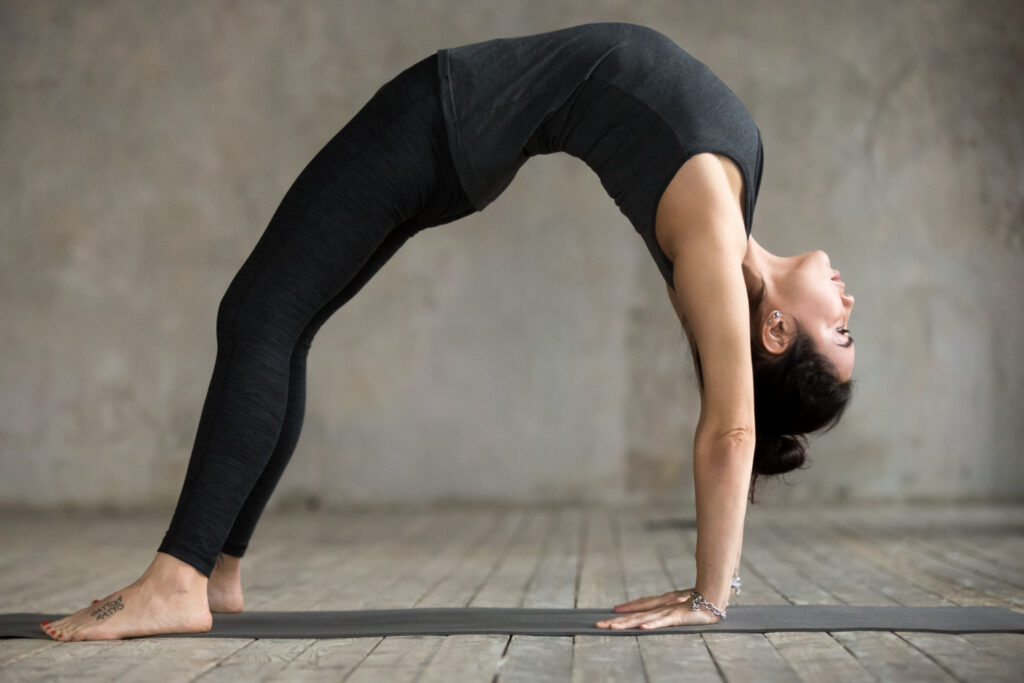
5 Abre el Centro del corazón: La naturaleza expansiva de la postura. Abre el pecho y el centro del corazón, fomentando una sensación de apertura y liberación emocional.(4)

¿Cómo realizar la postura de yoga de la estrella fugaz?
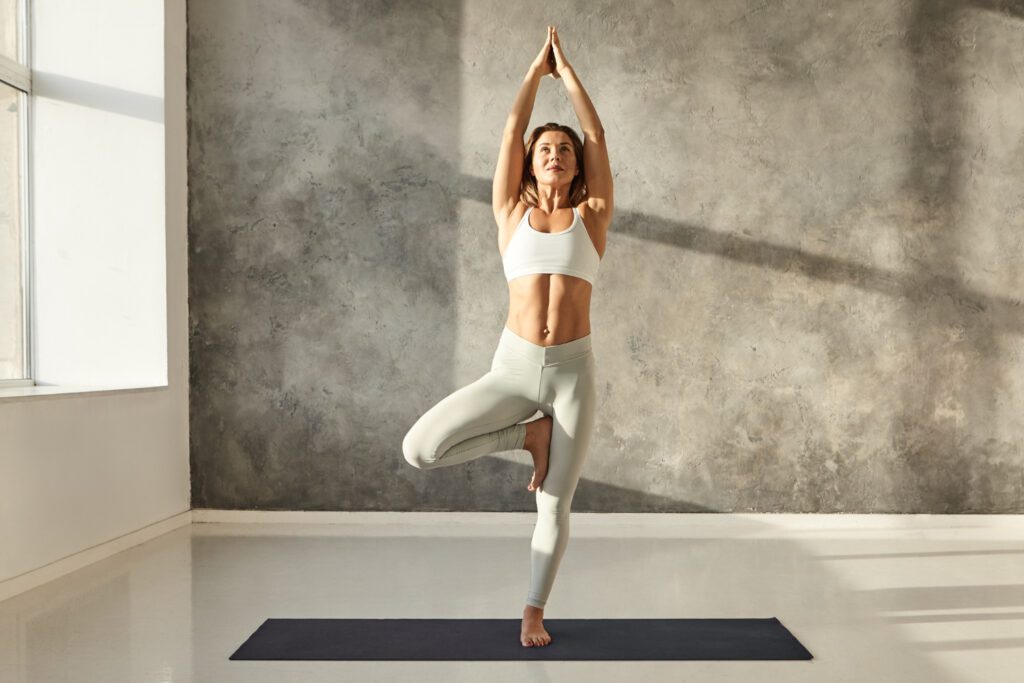
1 Comience en la postura de la montaña (Tadasana): Párese erguido con los pies separados al ancho de las caderas, los brazos a los costados y las palmas hacia adelante.
2 Da un paso atrás: Da un gran paso hacia atrás con el pie izquierdo, manteniendo ambos pies firmemente arraigados al suelo.
3 Extender los brazos: Inhala mientras extiendes los brazos paralelos al suelo, con las palmas hacia abajo.
4 Peso del cambio: Exhala y desplaza tu peso hacia tu pie derecho mientras giras las caderas y extiendes tu mano izquierda hacia el suelo, extendiendo tu brazo derecho hacia el cielo.
5 Involucrar el núcleo: Mantenga el centro del cuerpo contraído y mire hacia las puntas de los dedos de su mano derecha, manteniendo una línea recta desde la cabeza hasta el talón.
6 Aguanta y respira: Mantén la postura de 3 a 5 respiraciones, luego suelta suavemente y vuelve a la Postura de la Montaña. Repite con el lado opuesto.
Precauciones.
🔺Evita practicar Falling Star si tienes alguna lesión reciente o crónica, especialmente en las rodillas, caderas u hombros.
🔺Escucha a tu cuerpo y avanza en la postura solo hasta donde te resulte cómodo. Evita esforzarte demasiado o superar tus límites.
🔺Si tiene presión arterial alta o vértigo, Practique con precaución y considere modificar la postura. utilizando un bloque como apoyo o manteniendo una ligera flexión en la rodilla extendida.
Common Mistakes to Avoid.
1 Overarching the Lower Back: Maintain a neutral spine throughout the pose to avoid excessive pressure on the lumbar spine.
2 Collapsing the Chest: Keep the chest open and lifted to maximize the stretch through the shoulders and chest.
3 Locking the Knees: Keep a soft micro-bend in the extended knee to avoid hyperextension and protect the joint.
4 Forcing the Stretch: Ease into the pose gradually and avoid forcing the body into a deeper stretch than it is ready for.
5 Neglecting Alignment: Pay attention to the alignment of the feet, ensuring they are parallel to each other and the front foot points forward.
Evidencia científica.
While scientific research specifically on Falling Star pose may be limited, numerous studies have highlighted the beneficios del yoga for physical and mental well-being. A study published in the Journal of Alternative and Complementary Medicine found that regular yoga practice can improve balance, flexibility, and mood, which are all key components of Falling Star pose.
How the Falling Star Yoga Pose Helped Me Find Balance and Strength- My Personal Experience.
I am Neha Kulkarni, 37, Digital Designer, Mumbai, India, so when I first tried the Falling Star pose, I could barely hold it for two breaths. My balance was off, and I felt shaky as I stretched my arm toward the ground. But instead of forcing the pose, I treated it as a moving meditation. I focused on grounding my feet, activating my core, and breathing slowly.
Within a few weeks, I noticed something surprising—not only did my body feel stronger, but my mind became calmer. The pose helped me open my chest, release tension in my shoulders, and reconnect with my breath after long days of sitting in front of a screen.
Now, Falling Star has become a reminder that strength and grace can exist at the same time—you just have to trust the balance within your body.
“Falling Star taught me that balance isn’t about being perfect—it’s about breathing, grounding, and trusting your body.”

Expert Opinion.
As per Dr. Rohan Mehta, Orthopedic Sports Specialist & Certified Yoga Therapist, Falling Star is an excellent functional yoga posture because it integrates rotational core engagement with controlled loading of the lower body. When performed with proper alignment, it strengthens stabilizer muscles in the hips and spine, which are often weak in people who sit for long hours. The chest opening component also promotes better posture by counteracting forward rounding of the shoulders. For those seeking improved balance, spinal mobility, and overall neuromuscular coordination, this pose is both therapeutic and highly effective.
Preguntas frecuentes.
1 Can Falling Star pose help with back pain?
Falling Star can help alleviate back pain by strengthening the core muscles and improving posture, but it’s essential to practice with proper alignment and avoid overexertion.
2 Is Falling Star safe during pregnancy?
Pregnant individuals should consult with their healthcare provider before practicing Falling Star or any other yoga poses, especially during the second and third trimesters.
3 How long should I hold Falling Star pose?
Aim to hold Falling Star for 3-5 breaths on each side, gradually increasing the duration as your strength and flexibility improve.
En resumen.
Falling Star yoga pose offers a myriad of benefits for practitioners of all levels, from improved balance and flexibility to stress relief and emotional release. By following proper alignment, listening to your body, and practicing mindfully, you can experience the transformative power of this graceful and empowering posture.
+4 Sources
VerywelFit has strict sourcing guidelines and relies on peer-reviewed studies, educational research institutes, and medical organizations. We avoid using tertiary references. You can learn more about how we ensure our content is accurate and up-to-date by reading our editorial policy.
- Exploring the therapeutic effects of yoga and its ability to increase quality of life; https://pmc.ncbi.nlm.nih.gov/articles/PMC3193654/
- Yoga for Better Health: A Comprehensive Approach to Wellness; https://www.longdom.org/open-access/yoga-for-better-health-a-comprehensive-approach-to-wellness-1102029.html
- Reducing Stress with Yoga: A Systematic Review Based on Multimodal Biosignals; https://pmc.ncbi.nlm.nih.gov/articles/PMC10919405/
- Yoga isn’t just for flexibility. It may also protect brain health.; https://www.heart.org/en/news/2025/09/09/yoga-isnt-just-for-flexibility-it-may-also-protect-brain-health