
 Dar certo
 Meditação





 Contate-nos




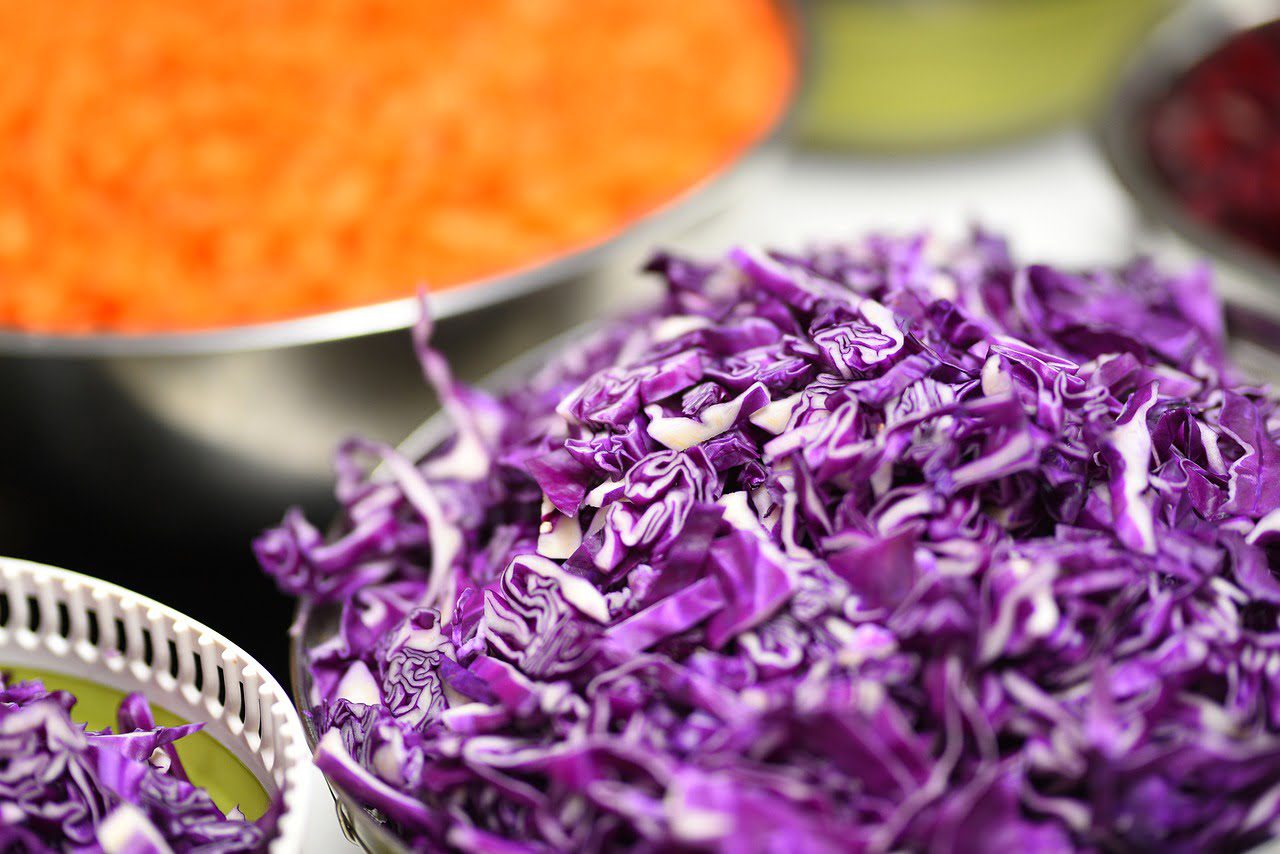
Purple cabbage also known as red cabbage is a vibrant and nutrient rich vegetable that offers several health benefits. With its deep purple hue and crunchy texture, it not only adds color and flavor to various dishes but also provides a wide range of essential vitamins, minerals and antioxidants. From promoting heart health to boosting the immune system and aiding digestion, purple cabbage is a versatile superfood that deserves a place in our diets. Today in this article, we will explore the numerous health benefits of purple cabbage and know about the science behind its remarkable properties.
Nutritional Value of Purple Cabbage.
Purple cabbage is a nutrient dense vegetable that is an excellent addition to a healthy diet. It is low in calories and rich in fiber, making it a great food for weight management and digestive health. It is also high in vitamins C and K, which are essential for immune function and bone health, respectively.
Additionally, purple cabbage contains potent antioxidants that may help to protect against chronic diseases such as cancer and heart disease. Whether consumed raw or cooked, purple cabbage is a delicious and nutritious vegetable that can provide a range of health benefits.
10 Health Benefits of Purple Cabbage.
1. Rico em nutrientes.
Purple cabbage is a nutritious vegetable that is low in calories and packed with vitamins and fiber. It is a great choice for weight management and overall health. It is rich in vitamins C and K, which have antioxidant properties and support immune system health, collagen production, blood clotting and bone health.
Purple cabbage is also high in fiber, which promotes a healthy digestive system, manages colesterol, níveis de açúcar no sangue and contributes to a healthy weight.
It contains other essential nutrients like manganese, vitamin B6, folate and potassium, which have various benefits for metabolismo, brain function, DNA synthesis and heart health. Purple cabbage can be enjoyed in various ways and adds color, flavor and essential nutrients to meals.
2. Anti Inflammatory Properties.
Anthocyanins are a type of flavonoid, which are natural compounds found in plants that have been shown to have a range of health benefits. They are responsible for giving purple cabbage its vibrant color and also play a key role in reducing inflammation in the body.
Inflammation is a natural response by the immune system to injury or infection, but when it becomes chronic, it can contribute to a range of health problems, including heart disease, diabetes e Câncer.
Antioxidants like anthocyanins help to counteract the effects of inflammation by neutralizing free radicals, which are unstable molecules that can damage cells and contribute to chronic disease.
Studies have shown that consuming foods rich in anthocyanins, such as purple cabbage, can help to reduce inflammation and protect against a range of health problems. In addition to its anti-inflammatory properties, purple cabbage is also a good source of fiber, vitamins and minerals, making it a healthy addition to any diet.(1)
3. Digestive Health.
One of the most significant benefits of purple cabbage is its high fiber content, which is essential for maintaining a healthy digestive system. The fiber in purple cabbage helps to improve digestion by promoting the growth of beneficial bacteria in the gut, which aids in the breakdown and absorption of nutrients.
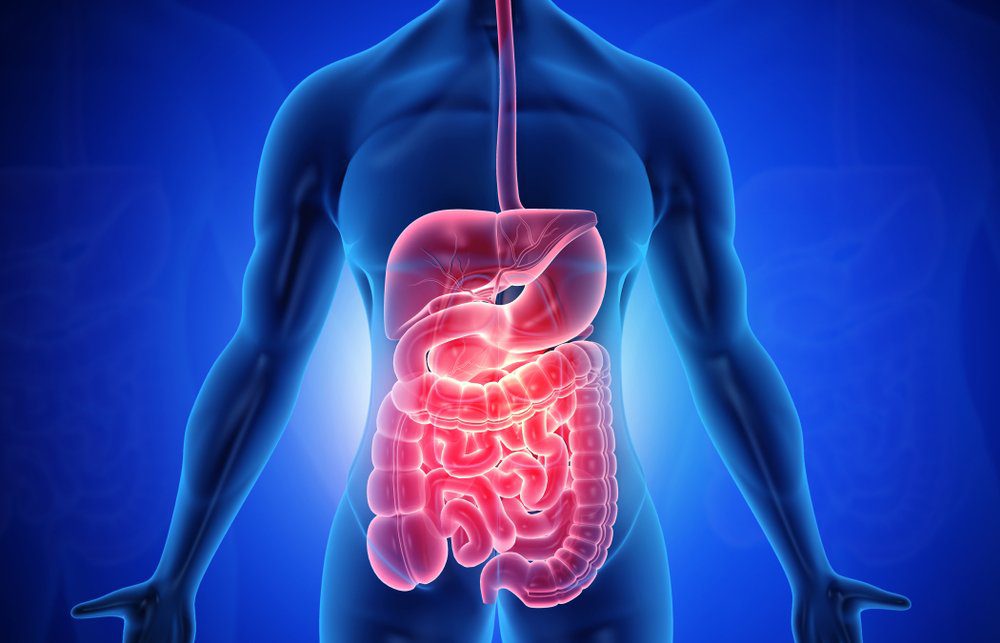
Furthermore, the fiber in purple cabbage helps to prevent constipation by adding bulk to the stool and reducing transit time through the digestive tract. This means that waste products are eliminated more efficiently, reducing the risk of constipation and related conditions such as hemorrhoids and diverticulitis.
In addition to its fiber content, purple cabbage is also rich in other nutrients that are beneficial for digestive health. It contains antioxidants, such as anthocyanins and vitamin C, which help to reduce inflammation in the gut and protect against damage from harmful free radicals.
Purple cabbage also contains glucosinolates, which are sulfur-containing compounds that have been shown to have anti-cancer properties and may help to protect against digestive cancers.
4. Heart Health.
Purple cabbage is a highly nutritious vegetable that is loaded with health benefits. Its vibrant color is due to the presence of anthocyanins, which are powerful antioxidants that protect the body from free radicals and inflammation. But, besides being a good source of antioxidants, purple cabbage is also rich in potassium, a mineral that plays a vital role in maintaining heart health.(2)

Potassium is an essential mineral that is required for the proper functioning of muscles and nerves, including the heart. It helps to regulate blood pressure by counteracting the effects of sodium, which can cause blood vessels to constrict and increase blood pressure. A diet rich in potassium has been shown to lower blood pressure and reduce the risk of heart disease.
In addition to its potassium content, purple cabbage is also a good source of other heart healthy nutrients, such as fiber, vitamin C and vitamin K. Fiber helps to lower cholesterol levels and improve digestion, while vitamin C strengthens the immune system and promotes collagen production for healthy skin and joints. Vitamin K is essential for bone health and helps to prevent blood clotting.
5. Cancer Prevention.
Purple cabbage contains antioxidants like anthocyanins, vitamin C and sulfur compounds that help to protect against cancer by neutralizing harmful free radicals. Anthocyanins, responsible for the purple color, have powerful antioxidant properties that defend cells against oxidative stress.(3)
Vitamin C further enhances these properties and stimulates collagen production. Sulfur compounds in purple cabbage, such as sulforaphane have anti cancer effects by inhibiting cancer cell growth and preventing the formation of new blood vessels for tumors. Adding purple cabbage to the diet can protect cells, reduce inflammation and potentially lower the risk of cancer.
6. Boost Immune System.
Purple cabbage is known for its high concentration of vitamin C, which is great news for anyone looking to boost their immune system and ward off infections. Vitamin C is a powerful antioxidant that helps to protect the body against free radicals, which can damage cells and lead to illness.(4)
When you consume purple cabbage on a regular basis, you are supplying your body with the nutrients it needs to stay healthy and strong.
In addition to its immune-boosting properties, purple cabbage is also a rich source of other important vitamins and minerals. These include vitamin K, vitamin A, vitamin B6, calcium and potassium. These nutrients work together to support the body’s overall health and well-being, helping to maintain healthy bones, muscles and organs.
7. Promote Eye Health.
One of the key nutrients found in purple cabbage is lutein and zeaxanthin, which are two powerful antioxidants that play a vital role in promoting healthy eyesight and preventing age related macular degeneration.
Age related macular degeneration (AMD) is a common eye disease that affects millions of people worldwide, particularly those over the age of 50. It is a progressive condition that causes the loss of central vision and can lead to blindness if left untreated.
However, research has shown that a diet rich in lutein and zeaxanthin can help to prevent the onset of AMD and slow its progression.
Lutein and zeaxanthin are carotenoids that are naturally present in the human eye, where they act as filters to protect the retina from damaging blue light and oxidative stress. They are also found in high concentrations in the macula, a small area of the retina responsible for central vision.
Studies have shown that a diet rich in lutein and zeaxanthin can increase the density of these pigments in the macula, which can help to reduce the risk of AMD.
Purple cabbage is one of the best dietary sources of lutein and zeaxanthin, with one cup of cooked cabbage containing around 20% of the daily recommended intake of these antioxidants. Other foods that are high in lutein and zeaxanthin include spinach, kale, collard greens and turnip greens.
8. Skin Health.
Purple cabbage is a vegetable that is packed with a variety of nutrients, including antioxidants that are beneficial for the skin. These antioxidants, which include anthocyanins and vitamin C help protect the pele from damage caused by UV radiation and other environmental factors.
UV radiation from the sun is known to cause damage to the skin, leading to premature aging, wrinkles and even skin cancer. However, the antioxidants in purple cabbage can help to protect the skin by neutralizing free radicals that are produced by UV radiation.

Free radicals are unstable molecules that can damage cells and contribute to the development of various diseases, including cancer.
In addition to protecting against UV radiation, the antioxidants in purple cabbage can also help to protect the skin from other environmental factors, such as pollution and cigarette smoke. These factors can also cause damage to the skin, leading to the development of wrinkles, hyperpigmentation and other signs of aging.
9. Weight Loss.
Purple cabbage is a fantastic addition to any perda de peso or weight management plan due to its low calorie and high fiber content. With only a few calories per serving, purple cabbage allows individuals to enjoy a substantial amount of food without worrying about excessive caloric intake.

Additionally, its high fiber content aids in digestion and promotes a feeling of fullness, helping to curb overeating and unnecessary snacking. Incorporating purple cabbage into meals can provide a satisfying and nutritious option for those looking to shed pounds or maintain a healthy weight.
10. Brain Health.
Anthocyanins are a type of flavonoid pigments that give purple cabbage its distinctive color. These pigments have been shown to possess powerful antioxidant and anti inflammatory properties, which make them beneficial in promoting brain health and reducing the risk of cognitive decline.

Studies have observed that the consumption of anthocyanin-rich foods, such as purple cabbage, can improve cognitive function by enhancing memory, attention and information processing speed. These effects are attributed to the ability of anthocyanins to protect brain cells from oxidative stress and inflammation, which are known to contribute to the development of neurodegenerative diseases, such as dementia and Alzheimer’s disease.
Moreover, anthocyanins have also been found to stimulate the production of brain derived neurotrophic factor (BDNF), a protein that supports the growth and maintenance of neurons in the brain. BDNF is essential for the formation of new memories and the preservation of existing ones, making it a critical factor in maintaining cognitive function.
Ways to Consume Purple Cabbage.
1. Raw in a Salad.
Purple cabbage can be thinly sliced and added to a salad for a crunchy texture and a pop of color. It pairs well with ingredients like carrots, apples, nuts and a vinaigrette dressing.
2. Roasted in the Oven.
Roasting purple cabbage in the oven is a delicious and easy way to enjoy this vegetable. Simply cut the cabbage into wedges, drizzle with olive oil, season with salt and pepper and roast in a preheated oven at 425°F for 20-25 minutes until tender and caramelized.
3. Pickled in a Jar.
Pickling purple cabbage is a great way to preserve it and add a tangy flavor to your dishes. Combine vinegar, water, sugar, salt and your favorite spices in a jar, add sliced cabbage and refrigerate for at least 1 hour or overnight.
4. Steamed or Stir Fried.
Purple cabbage can be steamed or stir fried with other vegetables and protein for a healthy and colorful meal. It cooks quickly and retains its nutrients and vibrant color.
5. Juiced or Smoothie.
Purple cabbage can be juiced or blended into a smoothie for a refreshing and nutritious drink. It’s rich in antioxidants, vitamin C and fiber and can help to boost your immune system and digestive health. Combine it with other fruits and veggies like apples, ginger and spinach for a tasty and healthy beverage.
Purple Cabbage Recipe.
Ingredientes:
- 1 head of purple cabbage
- 2 tablespoons olive oil
- 2 cloves garlic, minced
- 1 onion, thinly sliced
- 2 tablespoons balsamic vinegar
- 1 teaspoon honey
- 1 colher de chá de sal
- 1/2 teaspoon black pepper
- 1/4 cup water
- Optional toppings: chopped fresh parsley, crumbled feta cheese, toasted pine nuts
Instruções:
1. Start by removing any tough outer leaves from the head of purple cabbage. Cut the cabbage in half and then into quarters, removing the core. Slice the cabbage into thin strips.
2. In a large skillet or frying pan, heat the olive oil over medium heat. Add the minced garlic and sliced onion and sauté until they become fragrant and slightly translucent.
3. Add the sliced purple cabbage to the skillet and toss it with the garlic and onion mixture. Stir in the balsamic vinegar, honey, salt and black pepper, ensuring all the cabbage is coated evenly.
4. Pour the water over the cabbage and cover the skillet with a lid. Reduce the heat to low and allow the cabbage to simmer for about 10 to 15 minutes or until it becomes tender. Stir occasionally to prevent sticking.
5. Once the cabbage is cooked to your desired tenderness, remove the lid and continue to cook for an additional 2 to 3 minutes, allowing any excess liquid to evaporate.
6. Taste and adjust the seasoning if needed. If desired, garnish with chopped fresh parsley, crumbled feta cheese or toasted pine nuts for added flavor and texture.
7. Serve the purple cabbage hot as a side dish or use it as a colorful addition to salads or sandwiches. Enjoy.
*Note. This recipe can be easily customized to suit your taste preferences. Feel free to experiment with additional spices or herbs, such as thyme or rosemary to enhance the flavors.
Resumindo.
Purple cabbage offers a range of health benefits that make it an excellent addition to any diet. Its high levels of antioxidants and anti inflammatory compounds can help to reduce the risk of chronic diseases and improve overall health. Additionally, its low calorie and high fiber content make it a great choice for those looking to lose weight or maintain a healthy weight. Overall, incorporating purple cabbage into your meals can be a simple and effective way to boost your health and well-being.
+4 Sources
A Verywelfit possui diretrizes rigorosas para a seleção de suas fontes e se baseia em estudos revisados por pares, institutos de pesquisa educacional e organizações médicas. Evitamos o uso de referências terciárias. Você pode saber mais sobre como garantimos a precisão e a atualização do nosso conteúdo lendo nossa Política de Privacidade. política editorial.
- Inflammation related responses of intestinal cells to plum and cabbage digesta with differential carotenoid and polyphenol profiles following simulated gastrointestinal digestion; https://pubmed.ncbi.nlm.nih.gov/26990368/
- High anthocyanin intake is associated with a reduced risk of myocardial infarction in young and middle-aged women; https://pubmed.ncbi.nlm.nih.gov/23319811/
- Chemopreventive activity of sulforaphane; https://www.ncbi.nlm.nih.gov/pmc/articles/PMC6141106/
- Studies on oxidants and antioxidants with a brief glance at their relevance to the immune system; https://pubmed.ncbi.nlm.nih.gov/26792059/
Como analisamos este artigo:
Nossa equipe de especialistas está sempre monitorando a área da saúde e bem-estar, garantindo que nossos artigos sejam atualizados prontamente à medida que novas informações surgem. Consulte nosso processo editorial.
16 de novembro de 2025
Escrito por: Jill Castle
Revisado por: Roxana Ehsani
Escrito por: Jill Castle
Revisado por: Roxana Ehsani