 Training
 Meditation





 Kontaktieren Sie uns





Jicama, which is also known as the Mexican turnip or yam bean, is one of the root vegetable that has gained popularity in the worldwide due to its numerous health benefits and also for versatility in cooking.
With a crisp texture and a slightly sweet flavor, jicama has become one of the favorite addition to salads, snacks, and even in many cooked dishes. But did you ever know that this humble root is highly packed with nutrients that can help us support overall health and wellness?
So today, in this article, we will be exploring about the many benefits of jicama, along with the scientific evidence, and will also explain why this vegetable deserves a spot in your diet.
What is Jicama?
Jicama (pronounced “hee-ka-ma”) is a round, tan, and bulbous root vegetable native to Mexico and Central America. It is related to legumes but has a starchy tuber-like structure, making it more similar to a root vegetable.
Ähnliche Artikel
 Brauner oder weißer Reis – welche Option ist für Sie gesünder?
 Die 10 besten gesunden Alternativen zu Doritos, die Sie unbedingt probieren müssen
The skin is inedible, but the flesh inside is white, crunchy, and mildly sweet, offering a refreshing texture that adds a unique twist to various dishes.
While jicama is commonly eaten raw, it can also be cooked in soups, stews, and stir-fries. With its mild flavor, it complements a variety of other foods without overpowering them. Many people enjoy jicama as a low-calorie, low-carb alternative to starchy vegetables like potatoes.
Nutritional Profile of Jicama.
Before we dig into the incredible benefits of jicama, first let’s take a glimpse at its nutritional profile. So the nutrients present in the Jicama per 100g serving are:

Jicama Benefits.
With its low calorie count, jicama is an excellent choice for those who are looking to for Gewichtsverlust.
1. Supports Weight Loss.
Jicama is an excellent food choice for regulating Gewichtsmanagement. Its high fiber content helps in increase satiety level, which means you feel fuller for longer period of time. By cutting down hunger and preventing overeating, jicama creates a value in weight loss plan.
Moreover, the low glycemic index (GI) of jicama makes it a perfect option for people who are trying to control their blood sugar levels. It has a very less impact on blood sugar, which helps to prevent insulin spikes and crashes.
2. Boosts Immune Function.
Among all other nutrient Vitamin C standout in jicama. We all know how important is Vitamin C, as it is essential for supporting immune function, helping your body fight off infections, and promoting skin health.
So, just 100g of jicama provides 34% of the daily recommended intake of vitamin C.
Vitamin C is an antioxidant that protects the cells from oxidative stress and also supports collagen production, which is vital for gesunde Haut, joints, and tissues.
So, regular consumption of vitamin C-rich foods like jicama helps you in strengthen your immune system and also enhance your body’s ability to defend against illnesses.
3. Aids Digestion and Gut Health.
Jicama is rich in both soluble and insoluble fiber, which work together to promote a healthy digestive system. The fiber in jicama adds bulk to stool, which helps prevent constipation and promotes regular bowel movements.

In addition, jicama contains inulin, a prebiotic fiber that supports the growth of healthy gut bacteria. Inulin has been shown to improve gut health by promoting the growth of beneficial probiotics, which in turn can improve digestion, boost immunity, and even help manage weight.(1)
4. Supports Heart Health.
Jicama is a heart-healthy vegetable that may contribute to lowering cholesterol levels and improving cardiovascular health. It contains potassium, an essential mineral that helps regulate blood pressure.
A diet rich in potassium can help counterbalance the negative effects of sodium, preventing high blood pressure and reducing the risk of heart disease.
In addition to potassium, the fiber in jicama plays a key role in heart health by lowering LDL (bad) cholesterol levels.
Research has shown that dietary fiber can reduce cholesterol levels, which helps prevent plaque buildup in the arteries and supports better blood circulation.
5. Promotes Healthy Skin.
The vitamin C in jicama is not only beneficial for your immune system but also plays a critical role in maintaining healthy, glowing skin. Vitamin C helps the body produce collagen, which is essential for maintaining the skin’s elasticity and firmness.

Collagen also helps heal wounds, reduce wrinkles, and maintain skin integrity. By including jicama in your diet, you can support skin health from the inside out.
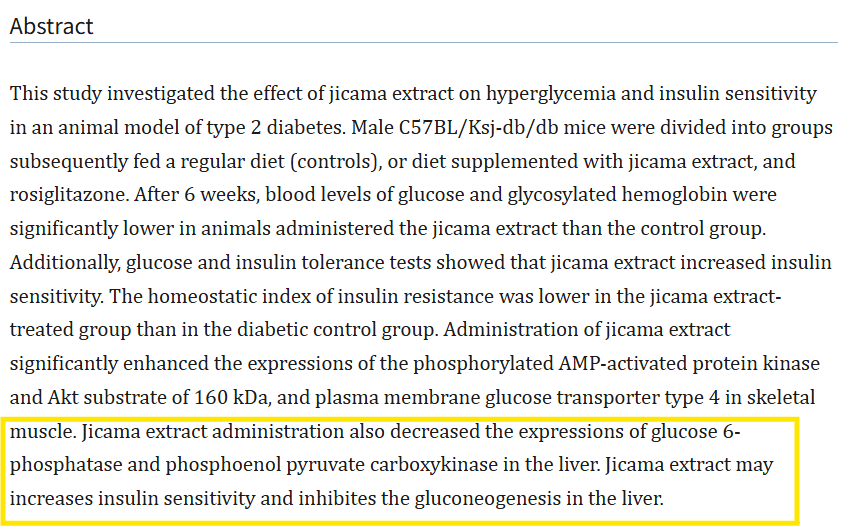
6. Regulates Blood Sugar Levels.
Jicama has a low glycemic index, making it an ideal food choice for individuals with diabetes or those looking to control their blood sugar.
The high fiber content of jicama slows down the absorption of sugar into the bloodstream, preventing rapid spikes in blood sugar levels.(2)
Research published in the Journal of Clinical Biochemistry and Nutrition shows that the consumption of inulin, the prebiotic fiber in jicama, can help improve insulin sensitivity and lower blood sugar levels.
This makes jicama a valuable addition to a diabetes-friendly diet.(3)
7. Hydrates the Body.
Jicama is composed of about 86% water, which makes it an excellent hydrating food. Consuming water-rich foods like jicama can help prevent dehydration and keep your skin, muscles, and organs functioning properly.
During hot weather or after intense physical activity, jicama can help replenish fluids and provide a refreshing, hydrating snack.
8. Improves Bone Health.
Jicama contains small amounts of calcium and magnesium, both of which are essential minerals for maintaining strong bones. While it’s not a significant source of these nutrients compared to dairy or leafy greens, every little bit helps.
Magnesium, in particular, is important for bone health because it helps regulate calcium levels in the body. A magnesium deficiency can lead to brittle bones and an increased risk of fractures.
By including jicama in your diet, you can contribute to maintaining strong, healthy bones.
How to Incorporate Jicama into Your Diet?
Jicama is incredibly versatile and can be enjoyed in a variety of ways. Here are some easy ways to add jicama to your meals:
- Raw: Slice jicama into sticks or cubes and enjoy it as a crunchy snack. Pair it with hummus, guacamole, or salsa for added flavor.
- Salads: Add jicama slices or cubes to your salads for a crisp texture and mild sweetness.
- Stir-fries: Use jicama in place of other root vegetables like carrots or potatoes in stir-fries or vegetable sautés.
- Tacos: Shred jicama and use it as a healthy, low-carb alternative to tortillas for tacos or wraps.
- Juices and Smoothies: Add jicama to your smoothies for an extra dose of hydration and fiber.
My Journey with Jicama.
I am Maya Sen, a fashion desiger from Allahabad, I still remember the first time I added jicama to my daily meals — it was on the recommendation of a colleague who insisted I try it for my erratic blood sugar levels and constant mid-day hunger spikes.
As a nutrition consultant, I’m always testing foods before recommending them to clients, so I decided to give it a fair try.
Within just three weeks, I noticed a surprisingly steady improvement. The first major change was how long I stayed full after meals.
Adding a bowl of raw jicama sticks to my lunch kept me satisfied for hours, something even oats or salads couldn’t do. My evening cravings dropped sharply, and I naturally reduced my overall calorie intake without even trying.
The second benefit — which I honestly didn’t expect — was how stable my blood sugar readings became. I monitor my glucose regularly, and the usual post-meal spikes grew noticeably smaller.
The low glycemic index of jicama truly lived up to its reputation. My digestion also improved, especially bloating, which had been bothering me for years due to my irregular schedule.
As someone who guides others on healthier lifestyles, discovering a food that gives me both energy and balance has been transformative. Jicama isn’t just another vegetable on my plate anymore — it has genuinely earned its place in my daily routine.
“Jicama helped me control cravings, improve digestion, and stabilize my blood sugar — a small change that made a big difference in my everyday health.”


💡 Expertenmeinung.
Dr. Jane Miller, RD and nutrition expert, stated that, “Jicama is very low-calorie, nutrient-dense food which is rich in fiber. Fiber helps in slow down digestion, which not only keeps you full but also supports you in healthy digestion and weight loss.”
“Fiber is essential for maintaining healthy digestion,” says Dr. Emily Green, a gastroenterologist. “Jicama is a fantastic source of fiber that not only supports regularity but also nourishes beneficial gut bacteria. A healthy gut microbiome is critical for overall well-being.”
Häufig gestellte Fragen.
1. Is jicama good for weight loss?
Yes, since jicama is low in calories and high in fiber content, makes it an excellent food choice for weight loss. The fiber present in it helps keep you full for longer, thereby reducing the likelihood of overeating.
2. Can jicama help with diabetes?
Jicama belongs to the low glycemic index food group and contains inulin, a prebiotic fiber which can help regulate blood sugar levels. It is a safe and beneficial food for people with diabetes.
3. How do you prepare jicama?
To prepare jicama, simply peel out the brown skin with a knife or vegetable peeler. After peeled, slice, chop, or shred it as needed for your recipes.
4. Can I eat jicama raw?
Yes, jicama can be eaten raw. It is often enjoyed in salads or as a crunchy snack with a dip.
5. Is jicama safe for everyone?
For most people, jicama is safe to eat. However, individuals with specific allergies or sensitivities to certain legumes should consult a healthcare provider before consuming jicama.
Fazit.
Jicama is one of the highly nutritious, low-calorie vegetable that offers incredible a wide range of gesundheitliche Vorteile, starting from supporting weight loss to improving digestion and also heart health.
With its mild flavor, it is very easy to incorporate it into your diet, either in raw, cooked, or juiced form. So, by adding this versatile root vegetable to your meals, you can enjoy its many gesundheitliche Vorteile while enhancing the flavor and texture of your dishes.
+3 Quellen
Verywelfit hat strenge Richtlinien für die Quellenangabe und stützt sich auf von Fachkollegen begutachtete Studien, Bildungsforschungsinstitute und medizinische Organisationen. Wir vermeiden die Verwendung von tertiären Quellen. Weitere Informationen darüber, wie wir die Richtigkeit und Aktualität unserer Inhalte sicherstellen, finden Sie in unseren redaktionelle Richtlinie.
- Preventive effect of jicama (Pachyrhizus erosus) fiber against diabetes development in mice fed with high-fat diet; https://japsonline.com/abstract.php?article_id=3283&sts=2&
- Hypoglycemic Effect of Jicama (Pachyrhizus erosus) Extract on Streptozotocin-Induced Diabetic Mice; https://pmc.ncbi.nlm.nih.gov/articles/PMC4500521/
- Jicama (Pachyrhizus erosus) extract increases insulin sensitivity and regulates hepatic glucose in C57BL/Ksj-db/db mice; https://pmc.ncbi.nlm.nih.gov/articles/PMC4706093/