
 Entraînement
 Méditation





 Contactez-nous




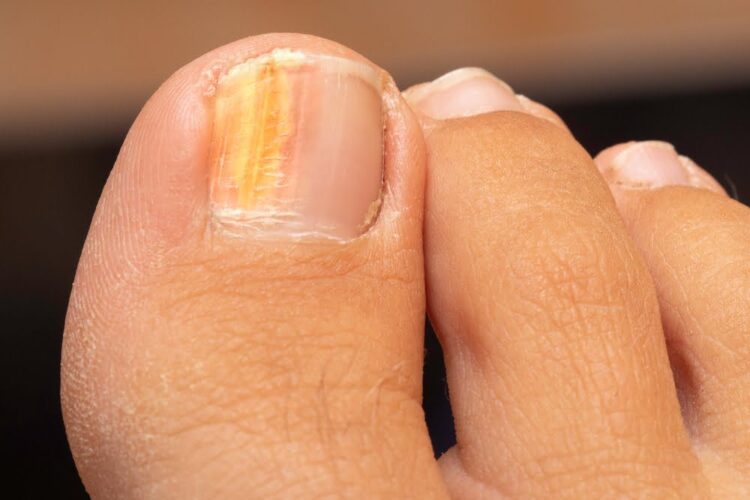
Nails turning yellow or orange can be alarming and may indicate an underlying health issue. While some people may think that it is just a cosmetic concern, it is essential to understand that the color of your nails may be a sign of a serious medical condition that needs attention. The most common cause of yellow or orange nails is staining from nail polish or smoking, but it can also indicate a fungal infection, liver or kidney disease or a reaction to certain medications. It is crucial to pay attention to any sudden changes in the color of your nails and seek medical advice if there are any concerns. In this article, we will explore the possible causes of orange nails and what you can do to prevent or treat them.
Common Causes of Yellow or Orange Nails.
1. Fungal Infection.
Fungal infections of the nails, also known as onychomycosis, can lead to yellow or orange discoloration of the nails. The fungi responsible for these infections thrive in warm and damp environments, making the feet and hands prime targets for infection. The most common type of fungus that causes nail infections is called dermatophyte, but other types of fungi such as yeasts and molds can also cause the infection.
The symptoms of a fungal nail infection may start with a white or yellow patch under the nail, which can gradually spread and cause the nail to become thickened, discolored and brittle. In severe cases, the nail may become deformed or completely detached from the nail bed. Fungal nail infections can be particularly difficult to treat and they can recur even after successful treatment.
People who are at a higher risk of developing fungal nail infections include those with weakened immune systems, athletes who frequently use communal showers or locker rooms, people with diabetes and those who have a history of nail trauma or injury.
To prevent fungal nail infections, it is essential to keep the nails clean and dry, wear breathable shoes and socks, avoid sharing nail clippers or other personal grooming tools and seek prompt treatment for any signs of infection. Treatment options for fungal nail infections include antifungal medications, topical treatments and in severe cases, surgical removal of the infected nail.
2. Smoking.
Smoking cigarettes is a harmful habit that may have a number of negative impact on a person’s health. One of the ways in which smoking can impact a person’s appearance is by causing their nails to turn yellow or orange over time. This is due to the presence of nicotine and tar in the smoke, which can stain and discolor the nails.
Nicotine is a highly addictive substance that is found in tobacco smoke. When a person smokes a cigarette, the nicotine is absorbed into their bloodstream and travels throughout their body, including their nails. Over time, the nicotine can cause the nails to become discolored and yellowed.
Tar is another substance found in cigarette smoke that can contribute to nail discoloration. Tar is a sticky, brown substance that is produced when tobacco is burned. It can accumulate on the nails and cause them to take on a yellow or orange hue.
In addition to causing nail discoloration, smoking can also weaken the nails and make them more prone to breakage and damage. This is because smoking can impact the body’s ability to absorb nutrients, which can lead to weaker nails and other health problems.
3. Nail Polish.
Certain types of nail polish or nail treatments can cause nails to turn yellow or orange. This can happen if the nail polish is left on for too long or if the nails are not properly cleaned before applying the polish.
Additionally, some nail polishes contain ingredients that can cause discoloration over time. For example, formaldehyde, a common ingredient in many nail polishes, can cause nails to turn yellow or orange with prolonged use. Other factors that can contribute to nail discoloration include smoking, fungal infections and certain medical conditions.
To prevent nail discoloration, it is important to properly clean and prep the nails before applying any polish or treatment. This involves thoroughly cleaning the nails with soap and water, removing any old polish or debris and gently buffing the surface of the nails to smooth out any ridges or bumps.
It is also important to choose high-quality nail polishes and treatments that are free of harmful chemicals and toxins. Look for polishes that are labeled “3-free” or “5-free,” which means they are free of the most common harmful ingredients, such as formaldehyde, toluene, and phthalates.
4. Health Conditions.
When a person suffers from liver disease, it affects the normal functioning of the liver, which is responsible for filtering out toxins from the body. When the liver is not functioning properly, toxins build up in the body, which can cause a yellowish discoloration of the nails.
In addition, the liver is responsible for producing a substance called bilirubin, which is excreted in bile. When the liver is not working properly, bilirubin can accumulate in the bloodstream and cause a yellowing of the skin and nails.
Similarly, diabète can also cause a yellow or orange discoloration of the nails. Diabetes affects the body’s ability to regulate taux de glycémie, leading to high levels of glucose in the bloodstream.
This high level of glucose can cause damage to the blood vessels, leading to poor circulation. The nails are often the first place where poor circulation becomes obvious, as the nail bed may become discolored or thickened.
Other health conditions that can cause yellow nails include lung disease, such as chronic bronchitis or emphysema and thyroid disease. In some cases, certain medications can also cause the nails to turn yellow or orange.
If you have yellow or discolored nails and are concerned about an underlying health condition, it is important to speak with your healthcare provider. They can perform tests to determine the cause of the discoloration and recommend appropriate treatment options. Additionally, maintaining good hand hygiene and keeping your nails clean and dry can help prevent nail discoloration.
5. Nutritional Deficiencies.
The health of our nails is an important indicator of our overall well-being. Nails that are strong, smooth, and free from discoloration are typically a sign of good health, while nails that are brittle, weak and discolored may indicate a vitamin or mineral deficiency. Specifically, a lack of certain essential nutrients, such as vitamin E or zinc, can cause the nails to become discolored.
Vitamin E is a powerful antioxidant that helps to protect and repair the peau and nails from damage caused by free radicals. Without enough vitamin E in the diet, the nails may become weak and discolored, taking on a yellowish hue. Zinc, on the other hand, is a mineral that is essential for healthy skin, hair and nails. A deficiency in zinc can lead to brittle, weak nails that are prone to breaking and cracking.
Other vitamins and minerals that are important for nail health include biotin, vitamin C and iron. Biotin, also known as vitamin B7, is essential for the growth and maintenance of healthy nails. Without enough biotin in the diet, the nails may become thin, brittle and prone to breaking.
Vitamin C is another important nutrient for nail health, as it helps to strengthen the nails and prevent them from becoming brittle. Iron is also essential for healthy nails, as a lack of iron can lead to a condition called koilonychia, which causes the nails to become thin, concave and brittle.
Overall, it is important to eat a well-balanced diet that is rich in essential vitamins and minerals in order to maintain healthy nails. If you are experiencing discoloration, weakness, or other nail problems, it may be a sign that you need to increase your intake of certain nutrients or speak with a healthcare professional to determine the underlying cause.
*Note: If you notice that your nails are turning orange or any other unusual color, it’s important to see a doctor or dermatologist to determine the underlying cause and receive appropriate treatment.
Symptoms of Yellow or Orange Nails.
- Discolored nails that appear orange.
- Thickened or brittle nails.
- Cracked or split nails.
- Pain or tenderness around the nail.
- Foul odor coming from the nail.
- Nail lifting from the nail bed.
- Swelling or redness around the nail.
- Pus or discharge coming from the nail.
- Itchy or irritated skin around the nail.
How to Treat Yellow or Orange Nails?
Here are some steps to treat orange or yellow nails infection or fungus:
1. Keep your nails clean and dry: Proper nail hygiene is essential to prevent the growth of fungus or bacteria. Make sure to wash your hands and feet regularly and dry them thoroughly, especially after being in a moist environment.
2. Trim your nails regularly: Keeping your nails trimmed and well-groomed can prevent the accumulation of dirt and bacteria under the nails.
3. Apply antifungal medication: Over-the-counter antifungal creams or ointments can help in treating mild orange nail infections. Apply the medication as directed by the manufacturer.
4. Take oral antifungal medication: In severe cases, your doctor may prescribe oral antifungal medication to treat the infection. Follow the prescribed dosage and complete the full course of medication.
5. Avoid artificial nails: Wearing artificial nails can trap moisture and create an environment that is conducive to the growth of fungus or bacteria. Avoid using them until the infection is completely healed.
6. Wear breathable shoes: Wearing shoes that allow your feet to breathe can prevent the accumulation of moisture, which can lead to orange nail infections or fungus.
7. Consult a doctor: If the infection is severe or does not respond to over-the-counter medication, consult a doctor. They may recommend other treatment options such as laser therapy or surgical removal of the nail.
| Lire maintenant : Le bœuf séché est-il bon pour perdre du poids : les 5 pires raisons |
Home Remedies To Treat Yellow or Orange Nails.
Yellow or orange nails can be the result of various reasons such as fungal infections, excessive use of nail polish, smoking, and even certain health conditions. While it’s important to identify the underlying cause and seek medical treatment if necessary, there are also several home remedies that can help treat and prevent yellow or orange nails. Here are some effective home remedies to try:
1. Lemon Juice.
Lemon juice has natural bleaching properties that can help lighten yellow or orange nails. Simply soak your nails in freshly squeezed lemon juice for 10-15 minutes, then rinse with warm water. Repeat this process 2-3 times a week for best results.
2. Baking Soda.
Baking soda is a natural exfoliant that can help remove stains and discoloration from nails. Mix 1 tablespoon of baking soda with a few drops of water to form a paste. Apply the paste to your nails and gently scrub for a few minutes, then rinse with warm water. Repeat once a week.(1)
3. Tea Tree Oil.
Tea tree oil is a natural antifungal and antibacterial agent that can help combat nail infections and discoloration. Mix a few drops of tea tree oil with a carrier oil such as coconut oil, and apply the mixture to your nails twice a day.(2)
4. Apple Cider Vinegar.
Apple cider vinegar has acidic properties that can help balance the pH levels of your nails, preventing fungal infections and discoloration. Mix equal parts of apple cider vinegar and water, and soak your nails in the solution for 10-15 minutes. Rinse with warm water and repeat once a week.
5. Olive Oil.
Olive oil is a natural moisturizer that can help nourish and strengthen nails, preventing discoloration and brittleness. Massage a few drops of olive oil onto your nails and cuticles every night before bed.
6. Thyme oil.
It has antimicrobial properties that have been discovered. On the off chance that you don’t know whether the orange is from microorganisms or growths, then oregano oil is ideal since it treats both. Apply it to the affected nails by mixing it with a carrier oil like olive, coconut or jojoba oil.
7. Vitamin E.
Vitamin E supplementation will aid in cell moisture retention and appearance. It affects your skin and hair as well as your nails. More importantly, it has been demonstrated clinically that vitamin E can treat orange nails.
A further point is that vitamin E encourages nail growth. Vitamin E can be applied topically or orally to accelerate healthy nail growth, allowing you to grow your nails in a healthy manner.
In addition to these home remedies, it’s important to maintain good nail hygiene by keeping your nails clean, dry, and trimmed. Avoid excessive use of nail polish and nail polish remover, and wear protective gloves when doing household chores. With consistent care and treatment, you can restore your nails to their natural healthy color.
How to Prevent Bacteria or Fungal Infections on The Nails?
Keeping our nails healthy and clean is important to prevent bacterial or fungal infections. These types of infections can cause serious problems such as discolored nails, thickening of the nails and even the loss of nails. Here are some tips on how to prevent bacteria or fungal infections on the nails:
• Keep nails clean and dry.
• Wear gloves while cleaning or doing dishes.
• Trim nails regularly and avoid biting them.
• Avoid sharing nail clippers or other personal items.
• Wear shoes in public areas like swimming pools or locker rooms.
• Avoid using artificial nails or nail polish for prolonged periods.
• Use antifungal sprays or creams in case of infection.
• Stay away from nail salons with poor hygiene practices.
• Maintain a healthy diet and lifestyle to boost immunity.
Frequently Asked Questions on Why Are Your Nails Turning Orange.
There are several reasons why nails may turn orange, including fungal infections, staining from nail polish or other chemicals, smoking, and certain medical conditions.
Yes, a deficiency in vitamin B12 or iron can cause nails to turn orange.
Yes, liver problems such as cirrhosis can cause nails to turn yellow or orange.
To prevent nails from turning orange, avoid exposing them to chemicals or substances that can stain them and maintain good hygiene to prevent fungal infections. Ensure that you have a balanced diet and take supplements if necessary.
The treatment for orange nails depends on the underlying cause. If it is due to a fungal infection, antifungal medications can be prescribed. If it is due to a medical condition, treating the underlying condition can help improve the appearance of the nails. In some cases, the discolored part of the nail may need to be removed by a healthcare professional.
Yes, smoking can cause the nails to turn yellow or orange due to the nicotine and tar in cigarettes.
Yes, some nail polishes or other chemicals can cause nails to become discolored or stained, including turning orange.
Medical conditions that can cause nails to turn orange include liver problems, diabetes, psoriasis, and thyroid disorders.
No, stress does not directly cause nails to turn orange. However, stress can weaken the immune system, making it more susceptible to infections that may cause discolored nails.
No, orange nails are not typically a symptom of cancer. However, some cancers can cause changes in the nails, such as clubbing or a brown/black line under the nail.
Conclusion.
Orange or yellow nails infection can be treated with proper nail hygiene, over-the-counter medication, oral antifungal medication and other treatment options. It is essential to seek medical attention if the infection persists or worsens.
Make an appointment with a dermatologist if, after 10 to 14 days of home treatment, you still don’t see any improvement. This is the best course of action. Not only will they properly diagnose you and address your needs, but prescription orange nail treatments are also significantly more effective than over-the-counter options.
It may take several weeks or even months for prescriptions to restore full nail health. It takes time for new, healthy nails to grow in place of old, orange ones.
+1 Source
Verywelfit applique des critères stricts en matière de sources et s'appuie sur des études évaluées par des pairs, des instituts de recherche pédagogique et des organisations médicales. Nous évitons d'utiliser des références indirectes. Pour en savoir plus sur la manière dont nous garantissons l'exactitude et la mise à jour de notre contenu, veuillez consulter notre politique de confidentialité. politique éditoriale.
- Antifungal activity of sodium bicarbonate against fungal agents causing superficial infections; https://pubmed.ncbi.nlm.nih.gov/22991095/
- Antifungal Activity of Nanocapsule Suspensions Containing Tea Tree Oil on the Growth of Trichophyton rubrum; https://link.springer.com/article/10.1007/s11046-013-9622-7
Comment nous avons révisé cet article :
Notre équipe d'experts surveille en permanence le domaine de la santé et du bien-être, afin de garantir que nos articles soient mis à jour rapidement dès que de nouvelles informations apparaissent. Consultez notre processus éditorial
13 mai 2025
Écrit par : Dr Julia Carroll
Écrit par : Dr Julia Carroll