
 Entrenamiento
 Meditación





 Contáctenos




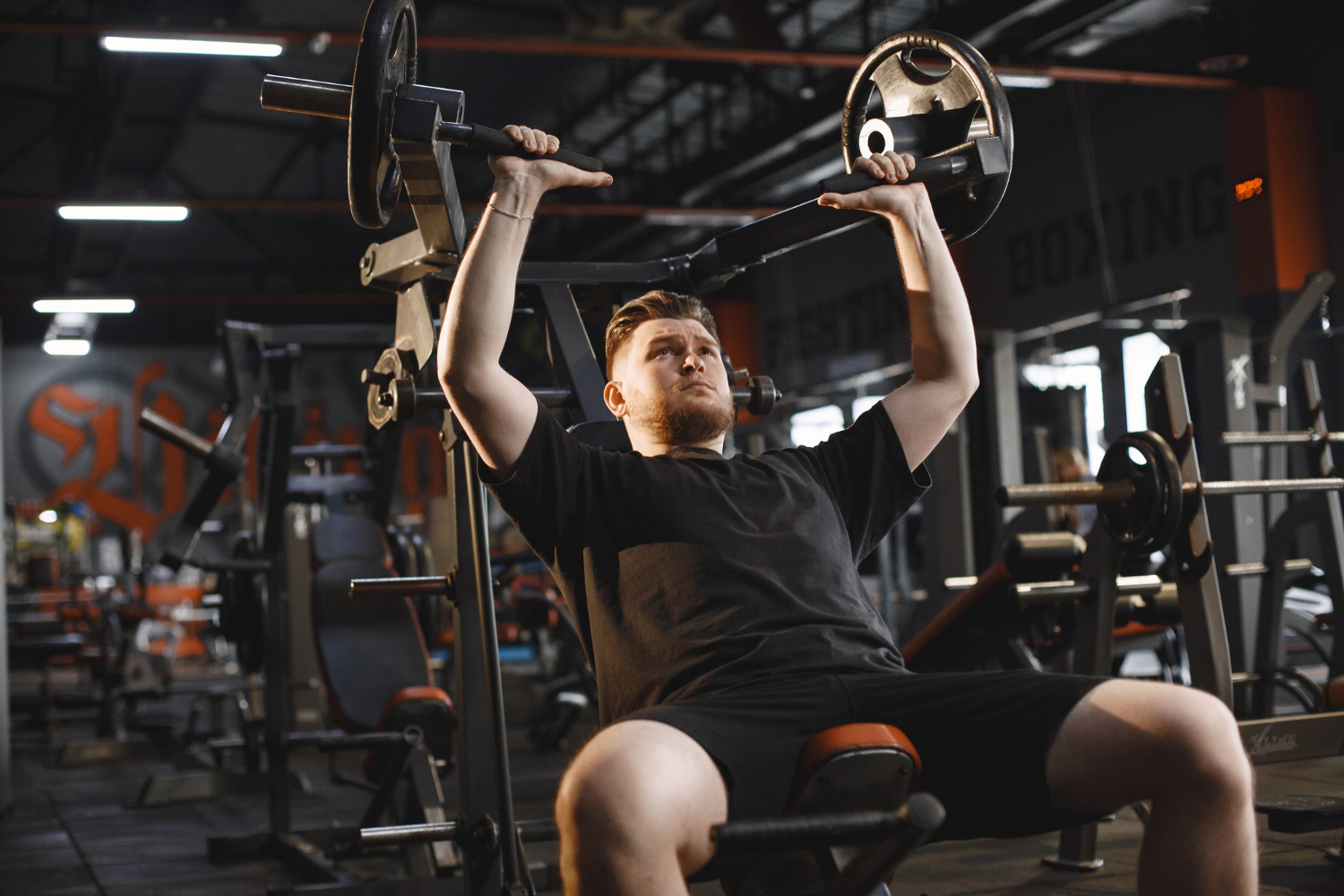
Realizar actividad física con regularidad es esencial para mantener la salud y el bienestar general. Sin embargo, la duración e intensidad del entrenamiento pueden afectar significativamente sus beneficios y posibles inconvenientes. Este artículo explora las implicaciones de invertir tres horas en el gimnasio, examinando tanto las ventajas como las desventajas, y brindando orientación para optimizar las rutinas de entrenamiento para objetivos individuales.
Beneficios de las sesiones prolongadas en el gimnasio.
Mientras gimnasio de tres horas Las sesiones son poco comunes y pueden no ser necesarias para la mayoría de las personas, pero ciertos beneficios pueden estar asociados con los entrenamientos prolongados, en particular para objetivos de acondicionamiento físico específicos:
- Resistencia mejorada:Las sesiones prolongadas pueden mejorar la resistencia cardiovascular, lo que es beneficioso para los atletas de resistencia.(1)
- Dominio de habilidadesEl tiempo extendido permite una práctica enfocada en habilidades o técnicas específicas, lo que ayuda a mejorar la competencia.
- Formación integral:Las sesiones más largas pueden incluir una combinación de ejercicios aeróbicos, de fuerza y flexibilidad.
Posibles inconvenientes de los entrenamientos prolongados.
A pesar de los beneficios potenciales, las sesiones prolongadas en el gimnasio pueden plantear varios desafíos:
- Riesgos del sobreentrenamiento:El ejercicio excesivo sin un descanso adecuado puede provocar el síndrome de sobreentrenamiento, que se caracteriza por fatiga, disminución del rendimiento y mayor riesgo de lesiones.
- niveles elevados de cortisol: Entrenamientos de larga duración Puede aumentar el cortisol, la hormona del estrés, lo que puede contribuir a la retención de grasa y al deterioro muscular.
- Restricciones de tiempoDedicar tres horas diarias al gimnasio puede resultar poco práctico para personas con agendas ocupadas, lo que podría llevar a una menor adherencia a las rutinas de ejercicios.
Historias relacionadas
 ¿Hay alguna forma de que las mujeres hagan ejercicio y sigan conservando un cuerpo con aspecto femenino?
 ¿Puede un cinturón magnético realmente reducir la grasa abdominal? ¿Qué dicen los expertos?
Recomendaciones de expertos sobre la duración del entrenamiento.
Los expertos en fitness generalmente recomiendan entrenamientos más cortos e intensos en lugar de sesiones prolongadas:
- Entrenamiento en intervalos de alta intensidad (HIIT)El HIIT consiste en breves ráfagas de ejercicio intenso seguidas de periodos de descanso. Estudios han demostrado que el HIIT puede proporcionar importantes beneficios para la salud en menos tiempo que los entrenamientos tradicionales.
- Rutina equilibradaIncorporar una combinación de ejercicios cardiovasculares, entrenamiento de fuerza y trabajo de flexibilidad dentro de una sesión de 60 a 90 minutos puede ser eficaz y sostenible.
- Descanso adecuado:Garantizar un tiempo de descanso y recuperación suficiente es crucial para evitar el sobreentrenamiento y promover el crecimiento muscular.
Ejemplos del mundo real y estudios de casos.
Varias personas han experimentado mejoras significativas en su estado físico con duraciones moderadas de entrenamiento:
- Michael FuryA los 62 años, Michael incorporó el entrenamiento con pesas a su rutina, lo que mejoró su salud física y mental. Sus sesiones eran estructuradas y eficientes, demostrando que no es necesario pasar mucho tiempo en el gimnasio para obtener beneficios sustanciales.
- Cheng Chen Chin-MeiCheng Chen, una taiwanesa de 90 años, comenzó a levantar pesas para controlar la enfermedad de Parkinson. Sus sesiones de entrenamiento eran concisas pero efectivas, lo que demuestra que incluso los entrenamientos más cortos pueden producir mejoras significativas en la salud.
Preguntas frecuentes.
1. ¿Pueden los entrenamientos largos provocar un mayor almacenamiento de grasa?
Sí, hacer ejercicio durante más de una hora puede elevar los niveles de cortisol, lo que puede indicarle al cuerpo que almacene grasa, especialmente si no se equilibra con una nutrición y un descanso adecuados.
2. ¿Es mejor entrenar más duro o durante más tiempo?
Ambos enfoques tienen beneficios, pero los entrenamientos de alta intensidad pueden producir resultados significativos en menos tiempo y pueden ser más prácticos para aquellos con limitaciones de tiempo.
3. ¿Cuánto ejercicio se recomienda semanalmente?
Las pautas de salud sugieren al menos 150 minutos de actividad aeróbica de intensidad moderada o 75 minutos de actividad aeróbica de intensidad vigorosa por semana, complementadas con actividades de fortalecimiento muscular durante dos o más días.
Reflexiones finales.
Aunque pasar tres horas en el gimnasio puede ofrecer beneficios específicos para ciertas personas, generalmente es innecesario y puede conllevar riesgos como el sobreentrenamiento y niveles elevados de cortisol. Adoptar una rutina de ejercicios equilibrada, alineada con los objetivos personales, que incluya un descanso adecuado y que sea sostenible con el estilo de vida, es esencial para la salud y la condición física a largo plazo.
+1 Fuentes
Verywelfit tiene unas estrictas directrices de selección de fuentes y se basa en estudios revisados por pares, institutos de investigación educativa y organizaciones médicas. Evitamos utilizar referencias terciarias. Puede obtener más información sobre cómo garantizamos que nuestro contenido sea preciso y esté actualizado leyendo nuestra política editorial.
- Efectos cardiovasculares y beneficios del ejercicio; https://pmc.ncbi.nlm.nih.gov/articles/PMC6172294/
Cómo revisamos este artículo:
Nuestro equipo de expertos supervisa constantemente el sector de la salud y el bienestar, lo que garantiza que nuestros artículos se actualicen rápidamente a medida que surge nueva información. Consulte nuestro proceso editorial.
22 de octubre de 2025
Escrito por: Uttam
Revisado por: David Rosales
Escrito por: Uttam
Revisado por: David Rosales